

Developing a three-dimensional working model of the solar system represents an exciting educational venture that facilitates the understanding of planetary arrangement and motion. To initiate this project, collect materials like foam balls of various sizes corresponding to each planet, sturdy wires or skewers to act as planet arms, acrylic paints for authentic coloring, and a large black foam board or cardboard for the base. Strong glue is essential, and for those looking to enhance the visual appeal, consider incorporating LED lights for the sun. Begin by painting each foam ball to mirror the true colors of the planets, utilizing photographs as reference for increased accuracy. Attach the planets to the base using wires, while observing the proportional distances—though it’s important to note that this will be a stylized representation and not an exact astronomical scale. To infuse movement into the model, mount the arms of the planets onto a rotating platform, such as a motorized lazy Susan or a simple crank device, allowing them to mimic their orbits and create an engaging interactive experience. Finish off the project by adding elements like Saturn's rings using thin cardboard, and clearly label each planet to promote educational learning.
Suggestions for Success:
As a designer, I understand that visual precision and spatial layout significantly enhance the educational value of your solar system model. For a more immersive approach or as part of contemporary classroom design, you can strategically plan your 3D solar system model digitally with a 3D floor planner. This tool empowers you to position planets in a virtual space, experiment with different scales, and simulate lighting effects—ensuring your project is both scientifically faithful and visually engaging even before you start constructing the physical model. Utilizing platforms like Homestyler for this purpose can bring your vision to life effectively.
Frequently Asked Questions
Q: Which materials are optimal for crafting a 3D solar system model?
A: Ideal materials include foam balls of varying sizes, wires, paints, glue, and a sturdy baseboard. For improved durability, consider using craft wood or plastic spheres as an alternative.
Q: What techniques can I use to create orbiting or rotating planets in my model?
A: Incorporate rotating joints, a lazy Susan turntable, or a small hobby motor for automation. Alternatively, manual rotation can be effective for simpler models.
Q: How should I approach scaling distances between planets in my model?
A: Given space limitations, apply a stylized scale—select a consistent ratio where inner planets are closer together and outer planets are spaced further apart, though not to precise astronomical measurements.
Q: What methods should I use to paint or finish each planet realistically?
A: Utilize real images for color accuracy and patterns (such as Jupiter’s Great Red Spot or Saturn’s rings). Acrylic paint is recommended as it adheres well to foam and is easy to manipulate.
Q: Is it feasible to utilize design software to enhance my solar system model planning?
A: Certainly! Employing a 3D floor planner or similar design software can facilitate virtual experimentation with layout, spacing, and aesthetic appeal prior to constructing your model. Homestyler is an excellent option for this kind of planning.
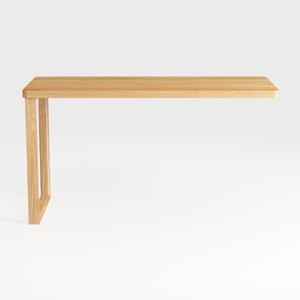
ZQQLVOO Writing Computer Desk,Home Office Desk,Hom

ODK 54 Inch Computer Desk Home Office Desk, Gaming
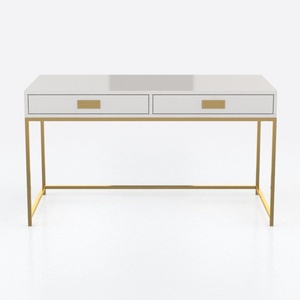
CosmoLiving by Cosmopolitan Camila Writing Desk, W
Homestyler is your go-to online platform for effortless home design. With its user-friendly design tool, stunning 3D renderings, and a wealth of DIY video tutorials, you can transform your decor ideas into reality. Perfect for all skill levels, start designing your dream space today!
تصميم الآن مجانا
































