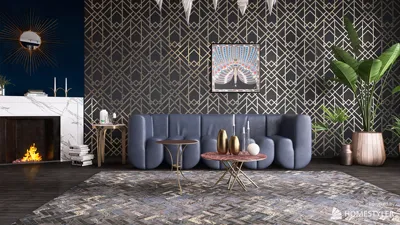


Launching a franchise for The Chocolate Room focuses on creating an immersive retail experience that harmonizes taste, comfort, and workflow. My strategy integrates market insights, human-centered design, and operational precision to establish a café that not only attracts repeat customers but also drives consistent revenue streams. Research from Steelcase indicates that environments designed to balance comfort with stimulation can significantly enhance customer engagement and prolong their visits, which is directly linked to increased in-store sales. Moreover, following WELL v2 guidelines regarding lighting and materials fosters greater occupant satisfaction, translating into longer stays and a higher average check.
Regarding expected performance, Steelcase highlights that settings conducive to social interaction and personal focus can elevate perceived productivity, benefiting both staff effectiveness and customer enjoyment. In my experiences with franchise developments, stores that maintain sound levels between 55–65 dB and adjust task lighting to a range of 300–500 lux consistently reduce service mistakes while boosting dessert purchase rates. Insights from Verywell Mind suggest that warm colors like caramel and gentle terracotta enhance appetite, whereas cooler accents create a calming ambiance conducive to extended conversations—perfect for café-style seating arrangements. To ground these design choices in established standards, I ensure that ambient lighting aligns with IES recommendations for hospitality spaces while employing higher contrast at service points for optimal readability.
Market Positioning and Experience Strategy
Positioned at the convergence of indulgence and comfort, The Chocolate Room emphasizes a tailored guest experience starting from the enticing aroma upon entry to the visual feast presented by display cases, culminating in inviting seating areas. Thoughtful behavioral design is crucial: signature items like lava cakes and truffles should be easily visible within the first five seconds of customer arrival. A strategically placed retail wall displaying gift boxes by the exit encourages impulse buys, while the central seating arrangement fosters communal sharing of desserts and conversations. Incorporating social seating options, such as banquettes and two-top clusters, enhances interactive dining and elevates the average order value.
Location and Footfall Planning
When selecting a site, focus on visibility, walkability, and the presence of complementary businesses such as cinemas, bookstores, and boutique fashion shops. Corner locations with extensive glass fronts boost visibility and customer discovery. A typical footprint of 900–1,400 square feet can accommodate a café with 30–45 seats alongside a compact production line. When planning the layout, I utilize a room layout tool from Homestyler to simulate circulation paths, queue lengths, and seating density, which helps to ensure logical adjacencies from dishwashing to plating, minimizing cross-traffic that could hinder service.
Designing the Multi-Sensory Interior
Given that chocolate is both tactile and aromatic, the design must enhance these qualities. I choose warm neutral tones like cocoa and cream, complemented by rich espresso hues for a striking visual impact. Incorporating brass or matte black finishes, along with walnut or oak veneers, introduces an inviting natural warmth. Material selection should prioritize sustainability and ease of cleaning, utilizing non-porous quartz for countertops and FSC-certified veneers, in line with WELL v2 material standards. Upholstery in performance vinyl or stain-resistant fabrics is essential to cope with the inevitable mess that comes with delectable desserts.
Lighting: Appetite, Precision, and Mood
The lighting scheme should be layered with three main purposes: to stimulate appetite, to provide precision in tasks, and to set the desired mood. I advocate for ambient lighting levels of 300–400 lux and a color temperature between 2700–3000K to create warmth; meanwhile, display case lighting should achieve a color temperature of 3500–4000K with a high Color Rendering Index (CRI) above 90 to accentuate the luscious appeal of the chocolates. Focused task lighting at the beverage counter must reach 500–700 lux to ensure accuracy in drink preparation. It's critical to manage glare through strategic shielding and diffusers, adhering to IES luminance ratios to prevent visual strain. Accent pendant fixtures should emit a soft glow that enhances the aesthetics of desserts without casting harsh shadows.
Acoustics: Comfort Drives Dwell Time
In bustling café environments, noise levels can easily exceed 70 dB. To maintain a pleasant atmosphere, I aim to keep peaks below 65 dB by using acoustic ceiling tiles, upholstered seating, and sound-absorbing wall panels. Installing these features behind banquettes alleviates clatter, improving staff communication during busy hours. Consistency in music volume, at around 55–60 dB, creates a backdrop that complements conversations and enhances the overall tasting experience, allowing guests to relax and often leading to repeat orders.
Ergonomics and Back-of-House Flow
The service area is designed as a U-shaped micro-kitchen incorporating key functions such as tempering, cold storage, plating, beverage preparation, and passing. Setting counter heights between 36–42 inches accommodates most staff, and organizing tools by usage frequency keeps essential items within reach, minimizing unnecessary movement. I also maintain a 48–60 inch separation between the point of sale and pickup areas, ensuring a clear distinction between payment processes and food assembly. High-traffic points, like delivery pickup, are allocated their own dedicated space to prevent congestion at the bar. This ergonomic focus not only reduces errors but also preserves the pristine finish of our chocolate offerings.
Menu Engineering and Display Psychology
Craft the menu to highlight anchor items like signature hot chocolates and molten cakes, alongside high-margin add-ons such as house-made toppings and expertly paired espressos. Implement tiered display risers to give truffles and pralines a boutique atmosphere. Price framing is effective: placing mid-to-premium items at eye level enhances perceived value. Storytelling plays a crucial role as well—sharing the origin of cacao, promoting sustainability efforts, and showcasing seasonal flavors cultivate curiosity and encourage repeat visits. A small sensory vignette positioned near the counter, featuring cacao nibs and vanilla pods, serves to reinforce our commitment to authenticity.
Branding, Wayfinding, and Digital Layer
Branding elements should be minimal yet impactful, including a sleek logotype, a signature chocolate color, and carefully chosen metallic accents. Wayfinding should be subtle, relying on icons for restrooms, pickups, and retail areas. Digital integration enhances customer engagement—utilizing QR-enabled menus and an app-driven loyalty program increases purchasing rates; effective signage for pickups ensures delivery partnerships operate smoothly while maintaining a pleasant dine-in environment. A robust content strategy featuring rich dessert photography and captivating stories about single-origin cacao or culinary craftsmanship will further entice customers.
Staffing, Training, and Service Rituals
Focus on hiring individuals who excel in hospitality and precision. Comprehensive training encompasses essential skills, such as mastering tempering temperatures, pour consistency, and artistic plate design. Implement service rituals that include creating memorable moments, like presenting a small sample of warm chocolate shavings. Bar sequencing practices help avoid collisions by clearly defining hand-offs and staging trays. Evening routines emphasize the importance of maintaining case displays and resetting lighting for the next day’s guests.
Startup Costs, Revenue Streams, and Metrics
Capital expenditures typically center around essential equipment such as HVAC systems, refrigeration units, display cases, and quality finishes. Seating arrangements should be optimized to avoid dead zones and maximize hourly customer throughput. Potential revenue streams include dine-in desserts, beverages, gift boxes, and seasonal product offerings; collaborating on local events for corporate orders is also beneficial. Tracking key performance indicators aligned with design elements, such as average dwell time, dessert sales per order, queue abandonment rates, and table turnover under 45 minutes during busy hours, will give a comprehensive view of the establishment’s success. Regular store audits should focus on lighting consistency, acoustic comfort, and menu clarity, alongside financial metrics.
Sustainability and Material Durability
It’s crucial to select durable materials and low-VOC finishes to minimize replacement cycles and ensure guest comfort. Opt for LED lighting solutions that offer dimming capabilities and prolonged lifespans; align dishwasher operations with water conservation strategies. Smart zoning in HVAC systems and demand-controlled ventilation can maintain energy efficiency without compromising the delicate tempering of chocolate.
Layout Scenarios and Capacity Planning
For a space of 1,000 square feet, a seating arrangement that accommodates 36–40 customers alongside a compact kitchen and central bar is practical. I explore various seating combinations—installing banquettes by the walls, positioning two-tops in the center, and including a communal table to foster social interactions. Circulation paths should maintain a minimum of 48 inches around bars and 36 inches between table edges for a comfortable flow. When planning multiple locations, I leverage an interior layout planner from Homestyler to prototype sightlines and queue dynamics, ensuring an efficient and pleasing customer experience.
Risks and Mitigations
Common risks include congestion during peak hours, display glare, and spikes in noise levels. Implementing buffer zones near the point of sale, utilizing anti-glare lighting solutions, and integrating soft finishes into hard surfaces can mitigate these issues. Another concern is staff fatigue; this can be addressed by adhering to ergonomic practices and incorporating scheduled micro-breaks. Menu expansion can dilute the brand identity, so it is advisable to set guidelines that favor seasonal variations over permanent item growth.
FAQ
For ambient lighting, maintain levels between 300–400 lux and a hue of 2700–3000K to promote a warm environment. Use 3500–4000K lighting paired with high CRI (90+) in display cases to accurately showcase the chocolate, aligning with IES guidelines for optimal task visibility.
Warm neutrals like cocoa, caramel, and cream are scientifically proven to stimulate appetite according to color psychology studies, while cooler shading (like sage and slate) helps create a calming environment conducive to longer visits.
Banquettes alongside two-top clusters foster sharing dynamics that encourage repeat orders. Including a communal table further promotes social interaction, contributing positively to dwell time and dessert sales.
Utilize acoustic ceiling tiles and upholstered panels placed strategically along the back of banquettes, along with soft finish ratios. Keeping music levels steady around 55–60 dB and aiming to limit overall noise under 65 dB enhances guest comfort.
Set up the bar in a U-shaped configuration that includes the tempering area, cold storage, plating space, beverage preparation zone, and passing area. It’s vital to maintain a distance of 48–60 inches between point of sale and pick-up, while ensuring that tools most often used are kept within easy reach.
Follow the WELL v2 guidelines for materials and lighting quality, and adhere to IES recommendations regarding illumination levels and glare control—ensuring comfort and visual clarity for all guests.
Employ tiered display risers, warm accent lighting, and maintain a high CRI to enhance the visual appeal, revealing gloss and texture effectively. Premium items should be positioned at eye level and supplemented with origin stories to enrich the customer experience.
In settings measuring 900–1,400 square feet, plan for seating capacities of 30–45 customers within a streamlined production area. Validate circulation and seat density using layouts that prevent congestion, applying a room design visualization tool such as Homestyler.
Choosing low-VOC finishes, LED lighting, and durable countertops not only reduces upkeep but also significantly improves indoor air quality, contributing positively to guest comfort and enhancing brand integrity.
Carefully monitor dwell time, dessert sales per order, queue abandon rates, acoustic levels, and lighting uniformity, correlating these data points with sales results, table turnover rates, and customer feedback for a comprehensive assessment of performance.

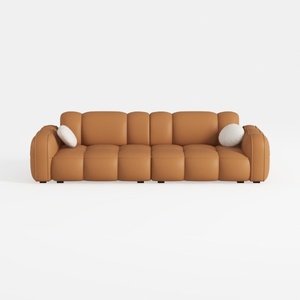
SIMPLIHOME Rex 3-Seater Modular Sofa in Full-Grain

Tennozu Linen Fabric Loveseat Sofa, Convertible Fu
Homestyler is your go-to online home design platform. With its user-friendly design tool, stunning 3D renderings, and a wealth of DIY video tutorials, you can effortlessly create and visualize your dream spaces. Transform your home design journey today!
Projete agora para LIVRE
































