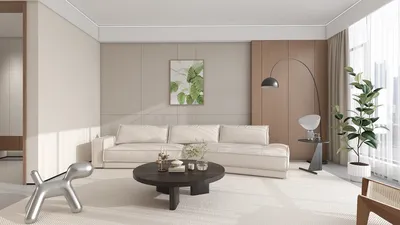


I've created numerous compact studios and corner workspaces for artists, crafters, and makers who refuse to let limited space restrict their imagination. A thoughtfully designed craft desk can convert a small apartment, a guest room, or even a hallway nook into an efficient workspace featuring an array of tools, materials, and inspiring elements, all while utilizing resources like Homestyler for planning.
Designing an Efficient Craft Desk That Performs as Diligently as You Do
In compact living areas, success relies on ergonomics, lighting, and effective storage. The WELL Building Standard emphasizes that suitable task lighting enhances visual clarity and minimizes eye strain; WELL v2 suggests that task areas should have illuminance levels conducive to precision work, often targeting around 500 lux for intricate tasks (v2.wellcertified.com, ies.org/standards). From my experience, coupling a 500–750 lux LED task lamp with a soft ambient source helps achieve accurate color and texture representation without glare, making tools from Homestyler especially handy for layout planning.
Human factors are equally crucial. Research from Steelcase demonstrates a clear link between posture support and adjustability with reduced musculoskeletal discomfort during focused tasks (steelcase.com/research). For ideal craft desks, I recommend a 28–30 in (71–76 cm) working surface height, an adjustable chair with lumbar support, and foot support to maintain a neutral posture. Incorporating a pull-out keyboard or cutting deck at 26–27 in (66–69 cm) alleviates shoulder strain during meticulous work.
Effective Storage Solutions: Vertical, Layered, and Reach-Optimized
Small environments require storage that accommodates reach zones: essential tools within a 12–18 in (30–46 cm) arc in front of you, frequently needed items within shoulder width, and less commonly used supplies stored higher. Using wall tracks, I create stacked shallow shelves (6–8 in deep) and pegboards to keep scissors, rulers, and tapes visible yet out of the way. Tiered drawers with dividers allow for easy access to beads, threads, and nibs, saving me valuable time searching. While planning layouts, I utilize a room layout tool to simulate clearances and reach paths, creating balance between seating and circulation, which can often incorporate features from Homestyler for accuracy.
Lighting Environment: Color Fidelity, Glare Reduction, and Visual Comfort
Color-sensitive crafts such as watercolor, embroidery, and quilting require high color accuracy. I specify LEDs with a CRI above 90 and a neutral 4000 K color temperature to avoid color bias. Task lamps with matte reflectors and controlled optics minimize glare from shiny papers and metallic tools. For prolonged sessions, ambient lighting at lower levels can soften contrast fatigue; WELL guidance suggests glare control alongside sufficient illumination—something I achieve through diffusers and side lighting rather than harsh overhead lights (v2.wellcertified.com).
Material Selections: Robust, Quiet, and Eco-Friendly
The choice of desktop material significantly impacts the workspace. A linoleum or rubber surface dampens vibrations from cutting tools and prolongs blade life, while solid birch or bamboo provides a sturdy, visually warm substrate. Cork backing serves a dual purpose—acting as a soundproofing solution while enhancing the acoustics of the workspace. Utilizing low-VOC finishes improves indoor air quality, supporting longer, more comfortable creative sessions.
Acoustic Management for Concentration in Limited Spaces
Compact settings often amplify tool noise and external disturbances. I enhance one wall with soft storage solutions such as fabric bins and cork panels to aid in sound absorption. A well-chosen small rug (dense fiber, natural material) combined with rubber chair casters can significantly reduce rolling noise. Installing a simple acoustic seal or a heavy curtain at doorways will help prevent household sounds from intruding on your focused crafting time.
Ergonomics and Reach: Optimizing for Your Craft
Each craft discipline presents unique ergonomic needs. For instance, calligraphy and illustration benefit from an adjustable desk angle set between 10–20° to diminish neck strain. Sewing machines perform best with the needle positioned approximately 6–7 in (15–18 cm) from the front edge for comfortable forearm support. When using cutting mats, I find that a slightly elevated surface (around 32 in / 81 cm) enables better use of shoulder and core muscles without compromising spine alignment. If you alternate between seated precision work and standing cutting, consider implementing a compact sit-stand frame with memory features to facilitate seamless transitions.
Color Psychology: Soothing Neutrals, Energizing Extras
The influence of color on pace and decision-making is profound. Studies in color psychology reveal that blues and greens promote a calm, focused mindset, while subtle accents of warm colors can invigorate the spirit (verywellmind.com/color-psychology). I prefer a neutral backdrop—gentle gray walls and natural wood elements—complemented by carefully selected accents: perhaps a terracotta tool bin or a vibrant saffron-thread jar to inspire creativity without overwhelming the senses.
Organizing Workflow: Creating Zones in Minimal Space
I divide a compact crafting corner into micro-zones: essential tools and materials close at hand; preparation and cutting areas on the left for right-handed users (or mirrored for left-handed craftspeople); central space for assembly or stitching; and finishing and packing located on the right. If working within a confined alcove, I employ an interior layout planner to model sequences and clearances, ensuring a logical flow before investing in furniture.
Effective Organization: Labeling and Modular Approaches
Modular design enhances adaptability in small areas. Transparent, shallow bins (2–3 in tall) stack on open shelves, with labels positioned for easy identification while seated. Magnetic strips elevate metal tools off the workspace surface. For paper-centric crafts, vertical files safeguard edges and free up desk space. I advocate for a 'reset ritual': a brief five-minute end-of-session exercise to return tools to their designated spots and prepare the desk for the upcoming day's tasks.
Electrical Safety and Cable Management
Even a compact craft desk can become a technological hub: housing your task lamp, sewing machine, tablet, and label printer. I securely attach a surge-protected power strip beneath the desk, using cord clips and a cable sleeve to maintain order. Heat-generating tools rest on silicone mats; a fireproof container holds solvent-soaked rags or used blades. Ensure the power bar is easily accessible yet discreetly hidden to minimize visual clutter.
Trends for Compact Studios in 2024–2025
Three notable trends are emerging for small-space crafting: multi-height work surfaces that accommodate both precision tasks and cutting; wall-based storage with customizable peg accessories; and hybrid lighting solutions combining natural daylight and LED to stabilize color perception during late-night activities. Expect to see matte finishes, rounded edges, and integrated edge lighting replacing harsh, glossy desk configurations.
Budgeting and Investment: Where to Allocate Resources
Prioritize investment in the chair, task lighting, and the desktop itself; storage can be incrementally added. Adjusting lamp locations and incorporating high-CRI bulbs can greatly enhance many environments at a low cost—this simple change yields significant benefits. When determining the footprint of the desk in a compact room, utilizing a room design visualization tool can help evaluate layouts before making permanent cuts or purchases.
Frequently Asked Questions
For optimal precision, aim for about 500 lux at the work surface, along with high-CRI lighting (90+) to accurately render colors. A combination of a task lamp and ambient fill generally achieves this without causing glare (ies.org/standards).
A height of 28–30 in (71–76 cm) works well for seated tasks for many users. If you regularly cut or assemble large items, consider an additional surface at 32 in (81 cm) for enhanced leverage.
A neutral white light around 4000 K ensures color balance. Pair this with high CRI to prevent color distortion and add a dimmable ambient light source to alleviate contrast fatigue.
Utilize shallow, labeled bins; vertical file systems for paperwork; and pegboards or magnetic strips for tools. Keep only current project materials easily accessible, archiving the rest in higher or closed storage.
Absolutely, especially for workflows that move between detail-oriented tasks and cutting. Opt for compact frames that feature memory settings to ensure stability for sewing or crafting.
Look for adjustable seat height, lumbar support, breathable materials, and a solid foundation. Research from Steelcase correlates adjustability and support with decreased discomfort during focused work (steelcase.com/research).
Attach a surge-protected power strip beneath the desk, organize cords with sleeves, and secure them with clips along the underside. Place heat tools on silicone mats and store blades in a safe manner.
Linoleum or rubber surfaces are effective at dampening vibrations; bamboo or birch provides a solid and resilient foundation. Using low-VOC finishes promotes healthy indoor air quality, allowing for extended creative sessions.
Maintain a mirrored zone layout: primary tools and cutting mats situated to the right, assembly in the center, and finishing to the left. Ensure that frequently used tools remain within easy reach to avoid unnecessary movement.
Definitely. Utilize a layout simulation tool to test clearances, reach zones, and lighting arrangements to confirm that your desk, storage solutions, and seating align effectively within the available space.


Homestyler is your go-to online home design platform! With its user-friendly design tool, stunning 3D renderings, and a wealth of DIY video tutorials, you can easily create and visualize your dream space. It's perfect for both beginners and seasoned designers alike!
Design Now for FREE
































