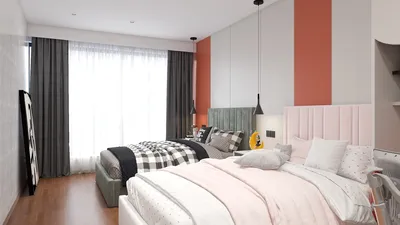


I've come to realize that the distinction between a room that simply appears attractive and one that exudes an extraordinary ambiance primarily hinges on how we manipulate light. Candlelight serves as one of the most potent tools for creating atmosphere—it softens outlines, enriches colors, and slows down the tempo of a space. When used purposefully, it can metamorphose living rooms, dining areas, bedrooms, bathrooms, and entryways without requiring major renovations. For those looking to design their spaces virtually, tools like Homestyler can greatly assist in visualizing these transformations.
The significance of ambient lighting is often underestimated. The WELL v2 standard advocates for layered lighting that adheres to circadian rhythms and promotes visual comfort, highlighting the importance of glare reduction and dimmable options for overall health (WELL Light feature guidance). According to established IES standards, a range of ~300–500 lux is recommended for task-oriented areas, while social and lounge spaces flourish around ~50–150 lux, levels that candles can effectively create when combined with low-output lamps. Research in color psychology indicates that warm colored environments promote relaxation; as noted by Verywell Mind, warm hues heighten the sense of coziness and comfort, a feeling echoed by the 1800–2000K glow of candlelight (Verywell Mind color psychology). These guidelines ensure that the romantic appeal of a flame aligns with modern comfort.
Establish the Purpose: The Role of Candlelight
Before selecting candle holders or fragrances, it's essential to clarify the type of ambiance the room should cultivate. Candlelight excels in fostering a slow-paced atmosphere—ideal for intimate chats, reflective reading, soothing baths, or candlelit dinners. I recommend utilizing three layers: ambient light (candles and low lamps), focal points (reflective materials and carefully placed flames), and shadow areas (darker spots that provide visual respite). This combination creates rhythm and a sense of visual order without overwhelming the senses.
Layered Lighting Techniques: Height, Placement, and Flow
The magic of creating candlelit spaces lies not in a single large statement piece but in a harmonious arrangement of smaller light sources. Position candles at various heights: use floor lanterns to anchor the room, mid-height tapers for table layouts, and eye-level sconces (safe, enclosed styles or LED flame replicas) to draw the gaze upward. Opt for odd-numbered groups for aesthetic harmony. If you're experimenting with arrangements—like setting a dinner table versus creating a reading nook—utilizing an interior layout planner such as Homestyler can help visualize groupings, ensure traffic flow, and identify reflective surfaces before lighting the first candle.
Selecting Materials: Holders, Finishes, and Eco-friendly Wax
Choose candle holders thoughtfully. Clear glass amplifies brightness; frosted glass helps in glare reduction; ceramics and matte metals can tone down hotspots. Materials like brass, antique mirrors, and smoked glass add depth and a subtle twinkle. Opt for clean-burning waxes like beeswax or premium soy blends, which typically produce less soot than paraffin and tend to have longer burn times. Trim wicks to approximately 6-8 mm to limit smoke and prevent mushrooming. For tables, use weighted holders with non-drip taper candles; for floor use, hurricane-style lanterns keep flames contained and shield against drafts.
Color Psychology: Warmth, Mood, and Aesthetic Palette
Candlelight naturally enhances cooler palettes, making grays appear taupe and whites take on a creamier tone. Embrace earthy shades like terracotta, olive, rust, and cocoa to complement the candlelight's low Kelvin hues. If your space leans towards a cooler color palette with deep blues or slate tones, anchor with candlelight while incorporating warm textiles (such as wool throws or velour cushions) to create a balanced perceived temperature. Additionally, I limit highly saturated colors near candles; vivid hues can look muddy in warm light, whereas muted tones maintain their elegance.
Acoustic and Sensory Balance
Soft illumination encourages soft sounds. Employ rugs, upholstered furniture, and fabric curtains to minimize echoes in conversation. Research by Steelcase frequently links multisensory harmony to enhanced focus and satisfaction—this principle can be applied at home by pairing candlelight moments with gentle soundscapes and diverse textures. Steer clear of overly strong fragrance mixes; two harmonious scents (like cedar and bergamot) offer a warmer welcome than a competing blend. In dining settings, refrain from heavy florals that can clash with food flavors.
Prioritize Safety: Space, Surfaces, and Airflow
Using flames requires a shift in perspective. Ensure at least 30 cm clearance from flammable materials, and avoid placing candles in drafty areas that cause flickering or inconsistent burning. Always use heat-resistant, non-porous surfaces (like stone or metal trays) to protect furniture. In bedrooms, confine candles to safe, enclosed styles; in bathrooms, never position candles near towel racks or hanging fabrics. For high-traffic areas, consider using LED flameless candles. An effective rule of thumb: light candles last and extinguish them first when guests arrive or depart the dinner table.
Dining Areas: Intimacy Without Harsh Light
Dining is centered around connection and meals. Position low tapers along the table length while avoiding glare at eye level. For a dinner setting for four, utilize two slender candles and incorporate small tea lights in frosted holders to soften perimeter shadows. Reflective chargers or a runner with metallic accents direct the glow towards plates without causing harshness. Always maintain centerpieces below 25 cm to allow for unobstructed views.
Living Areas: Pools of Light for Conversation
Creating distinct zones is crucial—design pools of light around seating areas. A trio of pillar candles on a side table serves as a warm focal point; a floor lantern beside a reading chair introduces direction; a few tea lights on a nested table can tie the whole scene together. If furniture is positioned away from walls, create pathways with low lanterns that indicate boundaries while remaining clear of high-traffic routes; utilizing a layout simulation tool can help prevent accidents.
Bedrooms: Tranquility, Rituals, and Relaxation
Bedrooms benefit from thoughtfully managed flames. Keep candles out of reach of bedding and use one or two enclosed options on dresser trays. Choose calming scents that facilitate unwinding, such as lavender or hinoki, or opt for unscented beeswax for those who prefer purity. Align with WELL’s focus on circadian support by ensuring any electric lighting is warm and dimmable; save candlelight for pre-sleep rituals rather than overnight use.
Bathrooms: Reflection and Steam
In bathrooms, candlelight interacts beautifully with tile and water. Position lanterns on ledges and one enclosed candle at opposing angles to create enchanting reflections. Ensure adequate ventilation as steam can extinguish small flames and cause wax to soften too quickly. Use non-slip trays to protect surfaces while maintaining a clean aesthetic.
Entryways and Corridors: Welcoming and Navigational Aids
Employ staggered pairs of lanterns to guide movement effectively. In tight spaces, wall-mounted enclosed candles or LED sconces provide a striking yet safe glow. Ensure enough lateral space so that clothing or bags do not come into contact with flames. A small reflective niche—such as an antique mirror or polished metal—can amplify light for a signature touch without necessitating additional candles.
Seasonal Changes: Air, Heat, and Burn Duration
Summer typically calls for lighter fragrances and fewer flames; generally one or two candles are sufficient. During winter, increase the number of candles and use longer-burning beeswax pillars. Monitor burn durations to prevent tunneling; always allow pillars to burn fully during the first use. Rotate candle vessels to avoid wax residue build-up on surfaces.
Maintenance: Trim, Clean, and Store
Before each lighting, trim the wicks, clean holders with warm water (or a gentle solvent for waxy residue), and always store candles flat, away from direct sunlight to prevent warping. Replace candles that lean or show signs of excessive soot; performance is just as important as appearance.
Quick Styling Inspirations
- Minimalist: Two matte black holders with unscented tapers on a travertine tray with a floor lantern in the corner.
- Bohemian: A collection of brass cups and colored glass, layered at three different heights with a woven runner.
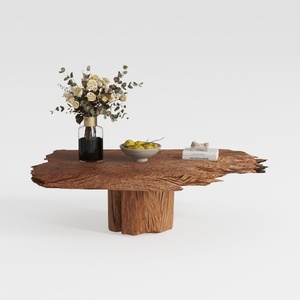
- Rustic: Beeswax pillars in hurricane glass beside a wood stump side table, complemented by a linen throw and ceramic accents.
- Modern glam: Smoked glass hurricanes arranged on a mirrored tray, highlighted by a singular sculptural taper for dramatic effect.
FAQ
Q1: How many candles should I use in a standard living room?
A: Begin with 5-7 light sources: two pillar candles on a console, one floor lantern next to seating, and two to four tea lights on tables. Adjust until you achieve about 50-150 lux in lounge areas when paired with dim lamps.
Q2: What wax is considered best for clean burning?
A: High-quality soy blends and beeswax are generally cleaner burning, producing less soot compared to many paraffin variations. Trim wicks to 6-8 mm and avoid drafts to minimize smoke.
Q3: How can I minimize glare when dining?
A: Keep candle tapers below eye level when seated and use frosted glass tea lights for glare diffusion. Reflective runners can enhance the candlelight without directing it harshly into guests' eyes.
Q4: Is candlelight effective for reading?
A: Candles alone aren't sufficient for extended reading sessions. Complement candle ambiance with a warm, dimmable task lamp reaching ~300-500 lux near the reading material, aligning with IES recommendations for visual tasks.
Q5: Are scented candles suitable for dining environments?
A: Keep scents faint or unscented to prevent clashing with food aromas. Subdued woodsy or citrus fragrances in low intensity are acceptable; avoid overpowering florals that may disrupt taste experiences.
Q6: What’s the safest approach to using candles in homes with children or pets?
A: Opt for enclosed hurricanes, wall-mounted fixtures, or high-quality LED flameless options in areas with high traffic. Maintain a clearance of 30 cm from flammable objects and never leave burning candles unattended.
Q7: How can I plan candle positions ahead of a gathering?
A: Outline zones and test pathways using sketches. A digital room design planning tool like Homestyler enables you to organize groupings, confirm circulation paths, and balance focal points efficiently.
Q8: Will candlelight alter the perception of my wall color?
A: Indeed. The warm candlelight (around 1800–2000K) influences the way cool grays and whites are perceived, altering them to appear warmer. If you prefer a clear color representation, add neutral lamp lighting and reduce the number of candles.
Q9: How can I manage air circulation during a candle-heavy evening?
A: Open a window slightly or operate a quiet HVAC setting to ensure ongoing fresh air without strong drafts. Proper airflow maintains steady combustion and mitigates any odor accumulation.
Q10: What tools can simplify candle maintenance?
A: Consider using wick trimmers, snuffers to minimize smoke when extinguishing, heat-resistant trays, and reusable holders made of glass or ceramic. Always store candles flat and out of direct sunlight to prevent deformation.
Originally incubated at Autodesk, Homestyler has grown into one of the most widely adopted home design platforms in the world, now trusted by over 18 million users. Whether you're a homeowner exploring ideas or a professional designer delivering client-ready renders, Homestyler brings industry-leading 3D technology to your fingertips — no experience required.

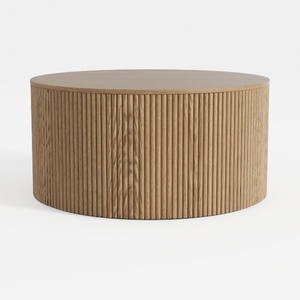
Minimalist Fluted Solid Oak Round Coffee Table 3D Model
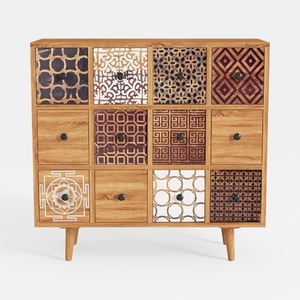
Bohemian Solid Wood Multidrawer Accent Cabinet With Patterned Fronts 3D Model
Homestyler is your go-to online home design platform, perfect for transforming your ideas into reality. With its user-friendly design tool, stunning 3D renderings, extensive design projects, and helpful video tutorials, you'll find endless inspiration and ease in your home design journey.
Design Now for FREE
































