

Having designed numerous living rooms, I can confidently say that an impressive grass wall does more than enhance aesthetics—it also improves acoustics, softens lighting, and subtly encourages a soothing atmosphere. Research shows biophilic design elements are closely tied to wellness; for instance, Gensler’s Workplace Survey indicates that proximity to nature and the inclusion of natural materials leads to greater satisfaction and productivity. Similarly, Steelcase's findings link restorative environments with higher focus levels and decreased stress. It’s essential to remember that, according to WELL v2 standards, greenery should be part of a holistic approach to light quality, air purity, and sound management, rather than just a decorative aspect.
The quality of lighting is crucial for any living wall. The IES guidelines recommend about 100 to 300 lux for ambient living areas. For preserved or artificial greenery, maintaining a consistent 200 to 300 lux with a warm white light (between 2700 to 3000K) results in natural color tones and reduces glare. For living plants, using indirect lighting and task uplights usually works best, providing gentle illumination that avoids harsh spotlights. These recommendations align perfectly with the WELL v2 focus on light and visual comfort, emphasizing the importance of uniformity and glare control. I often initiate the process with indirect linear grazing set at a 15 to 30-degree angle across the wall to add depth without creating sharp highlights.
Define the Ultimate Goal Before Selecting Plants
Consider what role the grass wall will play in your living room: Will it create a tranquil media area, serve as a focal point for conversation, or mitigate noise in a busy circulation space? Acoustic comfort is a significant benefit; soft plant textures and preserved moss can diminish high-frequency reflections and lessen perceived echoes. Strategically positioning the wall behind a sofa in an open layout, opposite large windows, or near a television will enhance sound control.
Live, Preserved, or Faux: Choosing the Ideal System
- Live modular panels are perfect for delivering fresh air and showcasing seasonal changes. They require regular watering, proper drainage, and access to daylight. For areas with limited sunlight, it’s wise to select shade-tolerant species and to pair them with adjustable fixtures targeting a color temperature of 3000 to 3500K to foster healthy growth.
- Preserved moss and foliage offer zero maintenance and provide consistent color along with rich textures, excelling in sound absorption. However, they should be kept out of direct sunlight to prevent fading, making them ideal for apartments with limited plumbing and light exposure.
- High-quality faux grasses demand the least maintenance and come in a variety of textures. Opt for UV-stabilized, low-VOC materials and back them with acoustic felt to enhance both functionality and realism.
Scale, Proportion, and Rhythm in Design
Green planes deliver the strongest visual impact when they respect the room’s proportional ratios. For ceilings ranging from 2.4 to 2.7 m, I recommend a vertical ratio of 1/3 to 1/2 of the primary wall, ensuring there’s breathing room above for cove lighting. Additionally, consider breaking up large areas into vertical or horizontal segments to create rhythm; alternating widths (for example, 30–45–30 cm) adds a pleasing cadence. Framing the installation with minimalist trims in matte black or brushed brass sharpens the visual edges and prevents a ‘stuck-on’ appearance.
Lighting Strategy: Effective Color Temperature, Layering, and Glare Control
- Aim for a color temperature of 2700 to 3000K to create a warm evening ambiance; if the space also functions as a workspace, allow for tunable white lighting ranging from 2700 to 3500K to ensure task clarity without sacrificing atmosphere.
- Layer your lighting by combining indirect wall grazers, a dimmable central source, and strategic accent spotlights for adjacent objects or artworks. Utilize shielding angles and matte baffles to minimize glare.
- Control daylight exposure: If your wall is near windows, consider sheer drapes or micro-prismatic films to evenly diffuse light levels, as plants perform best under steady lighting conditions.
Color Psychology: Harmonizing Green with Neutrals and Accents
Green is perceived as restorative and balancing—according to Verywell Mind, it symbolizes renewal and harmony—making it a great match for warm neutrals and natural wooden finishes. For cooler aesthetics, pair softer greens with muted blues and stone grays to maintain tranquility. If a more vibrant palette is desired, incorporate muted terracotta or mustard as accent textiles, while ensuring that the main green tones are not overly saturated to keep the wall as a focal feature.
Material Health and Sustainability Focus
Choose low-VOC adhesives and substrates for your installations. When using preserved materials, select plants stabilized with non-toxic agents and mount them on recycled acoustic felt. Ensure timber frames are constructed from FSC-certified wood to promote sustainability. If your project includes live walls, consider incorporating a leak-proof basin along with a moisture sensor, positioning plumbing away from electrical components while providing accessible shut-off valves.
Acoustic Benefits: Enhancing Quiet in Open Spaces
Textured plant surfaces serve to diffuse sound effectively; backing preserved moss with 10 to 12 mm acoustic felt can significantly decrease flutter echo in spaces with hard flooring and large windows. Ideally, locate the green wall opposite primary reflection points and complement it with a soft rug to create an absorption triangle of wall, floor, and seating materials.
Ergonomics and Human-Centric Design
Ensure seating is set 60 to 90 cm away from the wall to avoid crowding and allow for adequate airflow around live installations. If you plan to integrate shelves or artwork within this green space, targets for eye-level centers should be set at 145 to 150 cm for most users. Pathways need a clear width of 90 cm for circulation; however, for smaller spaces, a minimum of 80 cm should be prioritized while ensuring safe egress is maintained.
Layout Strategies to Optimize Wall Functionality
- Position the sofa perpendicular to the grass wall to frame it naturally within peripheral vision, thereby reducing visual fatigue and enhancing serenity.
- Float a slender console table (25 to 30 cm deep) in front of the wall to allow for soft lighting and display options without obstructing the green texture.
- In multifunctional living-dining areas, position the greenery at the transition line to define zones without creating physical barriers. To experiment with spacing and sightlines before finalizing your layout, utilize a room layout tool like Homestyler to visualize scale and circulation patterns.
Tips for Installation and Maintenance
- Substrate choice should include moisture-resistant materials like MDF or cement board for live systems, while traditional drywall is suitable for faux or preserved variants, given the right anchors are in place.
- Installation fixtures like French cleats or modular panel rails permit easy replacement and maintenance.
- For cleaning, use anti-static dusters for faux elements and a gentle vacuum with a brush attachment for preserved installations; live modules require pruning and drip tray checks.
Balancing Style: Furnishings, Artwork, and Texture
Combine greenery with textured fabrics such as nubby linens, bouclé, and matte leathers. Metals in burnished brass or blackened steel help anchor the design. If artwork is introduced, select pieces that feature negative space or monochromatic tones to prevent color clashes. Use soft beam spreads (between 20 to 30 degrees) for lighting that highlights texture without creating hot spots.
Strategies for Small Spaces
Utilize vertical space and narrow designs—consider a preserved moss strip that’s 60 to 80 cm wide behind the television, adding dimension without occupying floor space. For rental properties, removable faux panels attached via cleats are a viable option. Place mirrors on opposite walls to visually double the greenery and enhance ambient light, but ensure they're softened with sheer curtains to mitigate glare.
Trends for 2024-2025 Design
Clients are increasingly requesting tactile biophilic features that feel authentic rather than overly themed. Current trends include a mix of botanicals, tonal greens, and integrated acoustic solutions. Warm dimming (2000K to 3000K) LEDs in thin grazers contribute to cozy evening atmospheres, while modular panels simplify future updates.
Common Pitfalls to Avoid
- Overwhelming a room with excessive green tones, which can create visual clutter.
- Implementing spotlights that may cause harsh contrasts and potentially dry out live plants.
- Neglecting substrate preparation and vapor barriers necessary for irrigated systems.
- Failing to ensure maintenance access for power supplies, valves, and drivers.
Frequently Asked Questions
Q1. Do grass walls contribute to wellbeing, or is it merely a trend?
A1. Integrating biophilic elements is associated with heightened comfort and satisfaction. Research from both Gensler and Steelcase indicates that exposure to nature positively impacts performance and reduces stress; these advantages also translate into home environments when applied thoughtfully.
Q2. What are the recommended light levels and color temperatures?
A2. For comfortable viewing, maintain ambient light at around 100 to 300 lux. For the wall itself, 200 to 300 lux at a temperature of 2700 to 3000K will appear natural, especially for preserved or faux options. Dimmers are useful for creating the desired mood in the evenings while minimizing glare.
Q3. Can a live wall be installed in an area with limited natural light?
A3. Yes, it’s feasible, but success depends on reliable artificial lighting with the appropriate spectrum and regular maintenance. If available light is minimal, preserved moss or high-quality faux options may avoid stress on plants.
Q4. How can I address acoustics in a room with hard surfaces?
A4. Utilize acoustic felt behind the grass wall, add a thick rug, and use upholstered furniture to enhance sound absorption. Position the green feature across from reflective surfaces to curb echoes and clarify speech.
Q5. Which materials promote the best indoor air quality?
A5. Opt for low-VOC adhesives, FSC-certified lumber, and UV-stable faux materials. Preserved plant systems employing non-toxic stabilizers and recycled backing work particularly well in urban apartments.
Q6. What is the ideal size for a grass wall?
A6. Aim for a coverage of 1/3 to 1/2 of the main wall in environments with standard ceilings (between 2.4 and 2.7 m). Ensure a clearance of 10 to 20 cm from the ceiling for lighting or a neat shadow line, allowing the installation to breathe visually.
Q7. How can I effectively light the green texture without causing glare?
A7. Employ indirect grazing techniques at a 15 to 30-degree angle combined with shielded trims. Employ warm dimming LEDs to maintain nighttime coziness and consider sheer window treatments to mitigate bright daylight peaks.
Q8. What is the maintenance routine for preserved or faux walls?
A8. Lightly dust faux items using a microfiber cloth or employ a low-suction brush attachment quarterly. Keep the area away from direct sunlight to prevent fading, and avoid standard household cleaners that could stain the fibers.
Q9. Is it acceptable for a grass wall to be placed behind a TV?
A9. Absolutely—utilize darker, matte green shades to minimize reflections, ensuring easy access for cabling through removable panels. Adding acoustic backing enhances dialogue clarity as well.
Q10. What layout tools are helpful in testing the design concept?
A10. Use an interior layout application like Homestyler to visualize the installation’s scale and layout before committing; such tools allow for assessment of sightlines, lighting angles, and necessary clearances.
Q11. Does a grass wall make the room appear smaller?
A11. Not if balanced with lighter neighboring walls and reflective finishes. Consider vertical striping or framed designs to introduce rhythm without overwhelming the space; mirrors positioned opposite the wall can visually add depth.
Q12. Are there specific risks associated with live wall irrigation?
A12. Ensure you have a waterproof basin, proper drip protection, and an accessible shut-off valve positioned outside the wall cavity. Maintain accessibility to electrical components and schedule regular inspections to avoid hidden moisture problems.
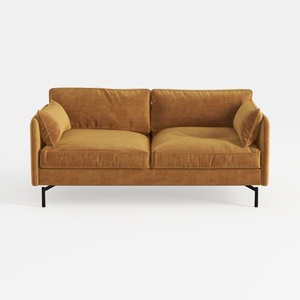
Corduroy High Resilience Sofa with 2 Pillows,57.9



Meridian Furniture 77054Natural Everson Collection
Discover the effortless way to design your home with Homestyler! This user-friendly online platform offers an engaging design tool, stunning 3D renderings, diverse design projects, and helpful DIY video tutorials. Transform your space creatively and easily—no prior experience needed!
Design Now for FREE
































