

Developing a 3D rainforest model is an exciting endeavor that merges artistic flair, ecological understanding, and spatial planning. Whether you are a student tasked with a science assignment or a design aficionado eager to depict natural habitats, a 3D model serves as an invaluable tool for comprehending the intricacies of rainforest ecosystems and their rich biodiversity. As a designer, my strategy involves contemplating the spatial arrangement and realistic stratification that reflects the true nature of rainforests—comprised of distinct layers such as the canopy, understory, and forest floor. In this guide, I will walk you through the process of creating an engaging and visually stunning rainforest model, while integrating tools like Homestyler to enhance the experience.
Tips 1:
Select Your Materials and Plan the Arrangement:
Start by choosing a solid base, such as a foam core board or the lid of a shoebox, and sketch out your rainforest sections. Utilize recycled materials, clay, or foam to create different tiers that depict the forest floor, understory, and canopy. When positioning trees and vegetation, adopt a designer’s mindset: achieve a balance between density and open spaces for a natural, visually striking layout.
Tips 2:
Integrate Various Flora and Fauna:
Employ modeling clay, pipe cleaners, and craft paper to design an array of tree types, epiphytes, vines, and vibrant rainforest animals. For the canopy, construct tall trees with overlapping foliage and cascading vines. Add intricate textures and colors to reflect the rich biodiversity that characterizes these ecosystems.
Tips 3:
Establish Depth and Perspective:
Position taller trees towards the background and smaller plants and creatures in the foreground to create depth. This technique mimics the natural perspective found within rainforest environments, making your model visually engaging. For designers, maintaining attention to scale and proportion is essential for achieving authenticity.
Tips 4:
Utilize Digital Tools for Enhanced Realism:
If you’re eager to elevate your project, consider using digital platforms to experiment with layering, illumination, and textures before constructing your physical model. Resources like Homestyler can assist you in visualizing your spatial design, ensuring that every component works together seamlessly.
Tips 5:
Incorporate Educational Labels and Information:
Attach small tags or stickers to highlight key features—such as 'canopy', 'buttress roots', or specific wildlife species—to enhance education and presentation quality. Well-thought-out labeling can also steer the viewer's focus, much like focal points in interior design.
FAQ
Q: What primary layers should I include in my 3D rainforest model?
A: Concentrate on depicting the forest floor, understory, canopy, and emergent layer. Each stratum showcases unique flora and fauna, so be sure to illustrate these distinctions in your model.
Q: Which materials can I use to create lifelike trees and plants?
A: Opt for modeling clay, pipe cleaners, textured craft paper, and natural materials like moss or twigs. For digital representations, play around with texture mapping using design software.
Q: How can I add interactivity to my rainforest model?
A: Think about introducing movable components—like a swinging monkey or rotating tree segments—or incorporating QR codes that link to additional information when presenting.
Q: What steps can I take to ensure my model is both accurate and visually appealing?
A: Strive for a blend of scientific accuracy and thoughtful aesthetics. Study rainforest ecosystems and apply color, texture, and scale wisely to achieve a balance of realism and visual attraction.
Q: Is technology useful in designing my 3D rainforest model?
A: Absolutely! Utilizing digital resources like 3D design software or Homestyler can help organize your ideas prior to starting the physical construction, paving the way for a successful project completion.

Modway EEI-6401-IVO Oasis Upholstered Fabric Sofa,
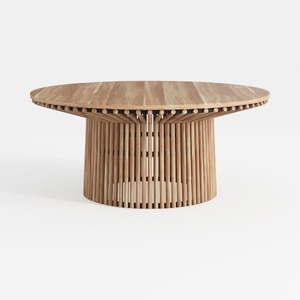

Merax Outdoor Dining Table 47.25" Round Extra
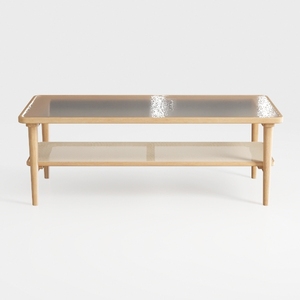
VECELO Coffee Table with 2-Tier Storage Shelf X-Fr
Homestyler is your go-to online home design platform! With an easy-to-use design tool, stunning 3D renderings, inspiring design projects, and helpful video tutorials, you can transform your ideas into reality. Perfect for both beginners and experienced decorators alike!
Progetta ora GRATIS
































