


Building a 3D model of a sulfur atom can be an exciting project for both students and hobbyists. To begin, it's essential to grasp the configuration of a sulfur atom: it has an atomic number of 16, meaning it contains 16 protons, 16 electrons, and generally 16 neutrons. The electrons are organized in shells around the nucleus. Here’s a comprehensive guide to creating an impressive and scientifically precise 3D sulfur atom model.
As an interior designer, I strive to make educational models not just functional but also visually appealing within a learning environment. Incorporating complementary colors and sleek materials can help the model integrate harmoniously into any study area or classroom. For a more striking and polished outcome, consider utilizing online resources that provide digital modeling possibilities—employing a tool like Homestyler allows you to digitally present your atom model within a styled environment, transforming your scientific project into a captivating piece of decor for your room.
Tips 1:
- Opt for lightweight materials if you intend to suspend the model.
- Paint or wrap the balls in colors that clearly differentiate protons, neutrons, and electrons.
- Verify the electron configuration for accuracy—I suggest sketching it beforehand.
- If you're aiming for a permanent display, ensure everything is securely glued and utilize a solid base.
- For a contemporary flair, showcase your model on a clear acrylic base for a museum-style presentation.
FAQ
Q: What is the number of protons, neutrons, and electrons in a sulfur atom?
A: A sulfur atom has 16 protons, usually 16 neutrons, and 16 electrons (when neutral).
Q: How should the electrons be arranged in the model?
A: The electrons should occupy three shells: 2 in the first (inner) shell, 8 in the second shell, and 6 in the outer shell.
Q: Which materials are best for constructing atom models?
A: Lightweight materials like Styrofoam, clay, or small balls are suitable for subatomic particles, while wires, pipe cleaners, or hoops can be effective for representing electron shells.
Q: Can I utilize digital tools to create a 3D atom model?
A: Absolutely! Digital design platforms and 3D rendering software, such as Homestyler, can assist you in crafting accurate and visually captivating atom models that can seamlessly fit into room design presentations.
Q: How large should the model be?
A: The dimensions can vary, but for clarity and effective display, a nucleus measuring about 5–7 cm in diameter with appropriately scaled shells is ideal for classroom settings.
Homestyler's roots trace back to Autodesk, the global leader in design and engineering software. That heritage lives on in every feature we build. Today, with a community of more than 18 million users worldwide, Homestyler continues to make professional-quality interior design accessible to everyone — from first-time decorators to seasoned architects.

Modern Minimalist White Fabric Wood Dining Table Chair Set 3D Model
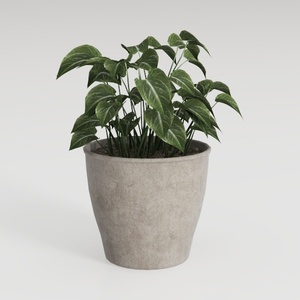
Concrete Potted Indoor Green Plant Decor 3D Model

Modern Black Metal Solid Wood Adjustable Drafting Desk 3D Model
Homestyler is your ultimate online home design platform, perfect for turning ideas into reality. With its user-friendly design tool, stunning 3D renderings, diverse design projects, and helpful DIY video tutorials, you can effortlessly create your dream space—regardless of experience!
지금 무료로 디자인하세요
































