

Crafting a 3D Bohr model of an element serves as a fascinating method to illustrate atomic structure, whether for academic projects or as part of interior design. The Bohr model visualizes atoms with electrons traveling in fixed orbits around the nucleus, which aids in comprehension. Here’s a straightforward guide to creating your own 3D Bohr model using Homestyler:
As a designer, I suggest prioritizing visual harmony and clarity within your model. Opt for colors that complement each other and ensure that every element is clearly defined for maximum effect. If you're looking to translate this idea into educational or artistic spaces, leveraging a 3D render using Homestyler will allow you to digitally visualize how your atomic model can blend seamlessly into areas like classrooms or study corners.
Tips 1:
Incorporate a variety of sizes and textures to distinguish between subatomic particles and their shells, creating a more dynamic and visually engaging model. If you intend to utilize your model in an educational context, be sure to securely attach all components for enhanced durability.
FAQ
Q: What materials can I use to make a 3D Bohr model?
A: Typical materials encompass foam balls, colorful clay, wires, beads, pipe cleaners, and even recyclable household items like bottle caps or straws.
Q: How do I find out the number of orbits and electrons?
A: Refer to the atomic number of the element for the corresponding number of electrons and check the element’s electron configuration to determine their arrangement across energy levels (orbits/shells).
Q: Is this project feasible for any element?
A: Certainly! Just keep in mind that elements with a greater number of electrons may demand more intricate models, making elements like carbon, oxygen, or neon ideal selections for classroom projects.
Q: How can I ensure my 3D Bohr model is stable?
A: Choose robust materials for the orbits (such as thicker wire) and make sure the nucleus is firmly glued and balanced. Additionally, mounting the model on a stand will enhance stability and make it display-ready.
Q: What advantages does a digital 3D render offer for my model?
A: Using a digital 3D render allows for previewing, editing, and refining your design ahead of physical construction, which proves especially useful when planning classroom presentations or interactive educational settings using Homestyler.
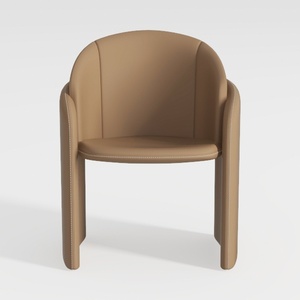

Minimalist Tan Leather Upholstered Armchair 3D Model
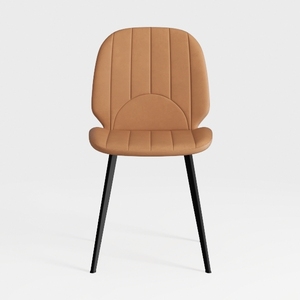
Modern Minimalist Tan Leather Upholstered Dining Chair 3D Model
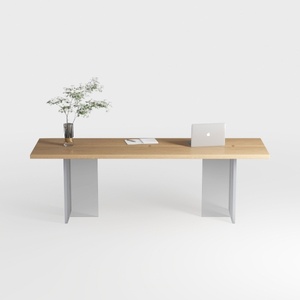
Modern Minimalist Oak Metal Dining Table Office Desk 3D Model
Discover your dream home design with Homestyler! This user-friendly online platform offers a powerful design tool, stunning 3D renderings, and a wealth of inspiring design projects and video tutorials. Transform your space effortlessly and unleash your creativity, regardless of your experience level!
Design Now for FREE
































