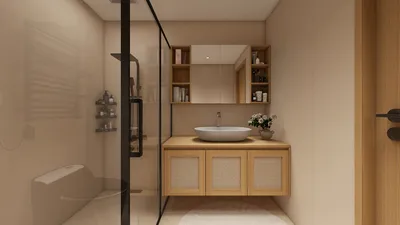


I consider the back wall of the living room as a stage for design—part architecture, part narrative. A well-composed backdrop effectively anchors sightlines, cultivates ambiance, and subtly influences behavior. With thoughtful planning, this area can enhance perceived volume, mitigate visual distractions, and elevate everyday comfort, much like what you can achieve with Homestyler.
Research consistently demonstrates the influence of design choices on how individuals feel and perform within their homes. The WELL v2 standard emphasizes that controlling glare and establishing appropriate illumination levels—typically between 150 and 300 lux in social living areas—are essential to achieving visual comfort. In contrast, areas designated for tasks, such as reading, can benefit from lighting levels ranging from 300 to 500 lux. Furthermore, studies by Steelcase reveal that a visually organized environment, combined with manageable complexity, contributes to a reduced cognitive load; a curated arrangement leads to fewer distractions during both social interactions and focused tasks.
The ratios of lighting are significant: I employ a layered lighting strategy that maintains a contrast of 1:3 to 1:5 between accent and ambient light. This approach delicately shapes the back wall, reducing fatigue. I rely on the Illuminating Engineering Society’s guidelines to inform my choices regarding glare management, dimming options, and wall washing techniques; maintaining consistent vertical illuminance ensures that colors appear true and textures remain distinct. Additionally, color psychology is integral—research from Verywell Mind identifies blues and greens as soothing, while warmer neutrals enhance sociability, leading me to adjust hue and saturation to reflect the room’s intended energy, often facilitated by tools like Homestyler.
Establish a Visual Anchor.
Every living room requires a visual anchor, but it shouldn't overwhelm. I begin by clarifying the main purpose: whether for conversation, media consumption, art display, or tranquil reading. If the wall will feature a display, I avoid high-reflective finishes that can intensify reflections. A harmonious composition utilizes a central focal point, such as a piece of art or a softly illuminated nook, supported by three to five secondary elements arranged in a rhythmic pattern. My guiding principle: one standout feature complemented by additional details. This strategy engages the eye while avoiding a cluttered appearance.
Material Choices: Subtle Textures vs. Bold Depth.
Materials significantly influence atmosphere. In cozy environments, I prefer matte limewash, microcement, or textured plaster to capture gentle light. In settings that require a more robust feel, timber slats or subdued stone can be appropriate. I always opt for low-VOC finishes and FSC-certified timber to ensure optimal indoor air quality. A two-part composition—solid stone base with soft plaster above—psychologically brings the ceiling up while grounding the wall. In rooms center stage for art, a neutral matte foundation allows colors to resonate; for minimalist tech-focused media walls, microperforated panels enhance acoustics while concealing cables.
Effective Color Psychology.
Color influences the room's mood. Soothing living areas benefit from soft greens and muted blues, whereas gatherings thrive with warm grays, taupes, and subtle terracotta shades. I restrict high-chroma accents to 10-20% of the wall's area to avert visual fatigue. When the natural light is cool, I opt for warmer paint undertones to achieve balance; conversely, in warm daylight, I incorporate neutrals with a cool LRV profile. For longer back walls, applying a deeper shade in the center while keeping the ends lighter can visually shorten and soften the expanse.
Lighting: Layered, Dimming Features, and Glare Control.
Well-designed back walls sculpted through light enhance visual interest rather than appearing flat. I specify asymmetric wall washers to highlight textures and place small-beam accents for art displays. Dimming capabilities are essential—scenes for socializing, movie time, and reading require flexibility. I manage glare with baffles, cut-off angles, and matte finishes facing away from fixtures. A simple rule: reading area lighting should aim for 300-500 lux, while overall ambient levels are maintained lower to prevent strain and preserve contrast.
Integrating Built-Ins and Niches: Merging Functionality with Aesthetics.
When the back wall serves as storage, I typically keep the depth between 300-400 mm to prevent the room from feeling crowded. Open shelving is best represented in asymmetric clusters, while closed cabinetry helps maintain visual tranquility. Installing LED strip lighting set back from the shelf edge highlights items without spotlighting. If a fireplace is present, I center the composition around it and create varying widths of niches (e.g., 250 mm, 400 mm, 600 mm) to cultivate a sense of rhythm. For active living spaces, consider integrating acoustic panels inside the cabinetry backs to absorb sound without drawing attention.
Art, Mirrors, and Curated Visual Elements.
Art requires space and appropriate lighting for appreciation. I avoid positioning mirrors directly across from windows to prevent glare; while they can significantly enhance depth, I use them judiciously. Gallery walls flourish when negative space is accounted for—around 40-60% blank space surrounding major pieces allows for breathing room. Lighting at 3000K-3500K typically complements mixed media art; higher CCT can enhance whites but may dull warmer hues. For a single large piece, I balance it with a textured background instead of layering multiple frames.
Proportions, Scale, and Sightlines.
Proportion ensures comfort. I align major horizontal lines with crucial furniture edges—such as the backs of sofas, console tops, and mantel heights—to form a steady visual horizon. Wall decorations should reside within accessible height ranges and align with eye-level sightlines, typically around 1450-1550 mm from the floor for most seated views. Large surfaces should adhere to a 60/30/10 distribution: 60% calm field, 30% textured or patterned elements, and 10% accents. This ensures the wall remains visually appealing without appearing chaotic.
Acoustic Comfort: The Unseen Benefit.
Living rooms often face acoustical challenges from glass and gypsum materials. The back wall can serve to counteract these issues. Timber battens with felt backing, microperforated gypsum, or fabric-wrapped panels can enhance sound clarity for conversation and streaming. If a TV is positioned on this wall, flanking absorbent zones can help mitigate reflections; complementing items such as rugs and soft seating will complete the acoustic strategy. Even minor additions, such as textile art or wall-hung tapestries, can provide effective noise reduction.
Seamless Technology Integration without Visual Clutter.
When merging screens and audio equipment, I ensure that cable pathways are hidden, and ventilation options are subtle. Use slim recessed channels or media cabinets equipped with micro-vents to maintain a cool environment for electronics. I avoid glossy surfaces around screens, preferring velvet-matte finishes that reduce reflections. If the room implements smart lighting, I plan specific scenes around routine activities: social, movie viewing, and reading. The back wall thus evolves into a dynamic surface rather than remaining a static backdrop.
Design the Room Around the Wall.
A well-designed back wall becomes vibrant through strategic room layout. I position primary seating to capture the focal area while ensuring that clear paths for conversation are maintained. In cases where the room shape is unconventional, a softly balanced back wall composition effectively distributes visual weight. For quick visualizations and layout experiments, employing a room layout tool like Homestyler can facilitate simulations of seating arrangements, sightlines, and storage solutions without the necessity of physical modifications.
Typical Back Wall Archetypes.
• The Art Wall: A singular statement piece or a carefully curated gallery grid, finished in matte with grazing light.
• The Media Wall: A seamless array of low cabinetry designed with acoustic panels and variable layered lighting.
• The Fireplace Wall: A centrally placed mantle accented with flanking niches, featuring a stone base and softer plaster above.
• The Textural Statement Wall: Comprising timber slats or limewash elements, characterized by asymmetric arrangements and warm vertical lighting.
• The Serene Field: A monochromatic matte finish complemented by subtle reveal lines and concealed storage solutions.
Maintenance and Longevity.
The quality of design relates directly to its maintenance. I specify scrubbable matte paints for high-traffic households and steer clear of delicate plasters in children’s areas. Modular built-in units can adapt as needs evolve. Neutral backdrops make it easy to refresh artworks or textiles seasonally without the requirement for repainting. Effective lighting controls—whether wired or smart—extend the life of bulbs and facilitate effortless scene transitions.
For standards and research-driven insights, I rely on resources such as WELL v2 for visual comfort guidelines and the Illuminating Engineering Society's criteria for illuminance and glare management. Additionally, color selections often draw from research shared by Verywell Mind on emotional responses to various hues.
Frequently Asked Questions.
Q1: What are the ideal illumination levels for a living room back wall?
A1: Ambient lighting should hover around 150-300 lux, while accent lighting on artwork or textures can be increased to 300-500 lux. Dimming capabilities are crucial to prevent fatigue and ensure scene adaptability.
Q2: Which color temperatures display art and living spaces effectively?
A2: A temperature setting of 3000K-3500K typically enhances mixed media and warm finishes. If your color scheme is more contemporary and cool, 3500K-4000K can maintain crisp whites, but ensure dimming for softer ambiance during evenings.
Q3: How can I minimize glare on the back wall with a TV?
A3: Opt for matte finishes surrounding the display, utilize fixtures with appropriate cut-off angles, and arrange accent lighting to graze vertically rather than directing light at the screen. Ideally, windows should be positioned behind seating, or layered window treatments should be employed.
Q4: What material selections enhance acoustics on a feature wall?
A4: Consider using timber slats with felt backing, fabric-wrapped panels, or microperforated gypsum. Place absorbent materials alongside the screen or focal zone to improve sound quality.
Q5: How can I organize built-ins to avoid visual clutter?
A5: Aim for a balance between open and closed storage options. Maintain shelf depths of around 300-400 mm, arrange objects in asymmetric groups, and use warm LED strip lighting tucked behind the shelf front to gently illuminate items.
Q6: What is a dependable method to apply color on a lengthy back wall?
A6: Implementing a slightly darker tone in the middle while keeping the edges lighter can visually compress the length. It's advisable to restrain high-chroma accents to 10-20% of the wall space and rely on a matte base for a calming effect.
Q7: Can a mirror act as the standout feature?
A7: Certainly, but caution is necessary regarding natural light direction. It’s best to avoid placing mirrors where they may catch harsh window reflections. Using antique or low-reflective glass can help soften their impact.
Q8: How can I coordinate lighting scenes with typical activities?
A8: Pre-arrange three lighting scenes: social (higher ambient with soft accent light), movie (lower ambient with focused glow), and reading (accent lighting at the chair, with ambient more subdued). Dimming and beam control will facilitate smoother transitions.
Q9: What proportion guidelines maintain an elegant look for the wall?
A9: Aim for a 60/30/10 distribution: with 60% designated as a serene field, 30% textured or patterned elements, and 10% accent details. Align horizontal lines with furniture edges to ensure a harmonious visual horizon.
Q10: How can I prepare a media-heavy back wall for the future?
A10: Utilize modular cabinetry with concealed cable pathways, ensure adequate ventilation through micro-vents, and choose matte surfaces to accommodate the different screens that may replace existing ones over time. Neutral backgrounds allow for updates in technology without extensive redesign.
What began as an Autodesk innovation has evolved into a design platform used by more than 18 million people around the globe. Homestyler combines powerful rendering, an intuitive editor, and a vast furniture library to help you turn inspiration into photorealistic designs — whether you're redesigning a single room or planning an entire home.

Minimalist Fabric L Shaped Modular Sectional Sofa 3D Model

Minimalist White Glass Top TV Cabinet 3D Model
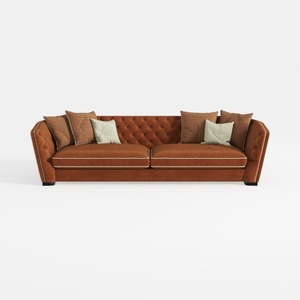

Contemporary Tufted Brown Velvet Extra Large Sofa 3D Model
Unlock your creativity with Homestyler, the ultimate online home design platform! Featuring an easy-to-use design tool, stunning 3D renderings, and an array of DIY video tutorials, you can effortlessly transform your ideas into reality. Perfect for both beginners and seasoned designers alike!
Diseño ahora GRATIS
































