

The Om symbol embodies a serene weight that can elevate a pooja room into a true sanctuary rather than merely a space for rituals. In my design endeavors, significant transformations occur when the Om sticker is positioned as a focal element within a thoughtfully curated blend of light, color, sound, and ergonomics, allowing the symbol to be both visual and visceral.
Thoughtful design choices are crucial. The WELL v2 framework emphasizes that visual comfort increases when brightness levels are well-regulated and glare is minimized, influencing how we light sacred symbols and wall designs. Research from Steelcase reveals that spaces conducive to restoration can enhance cognitive function and overall well-being. This principle resonates perfectly in devotional environments where balanced lighting and deliberate layouts maintain a gentle focus, enriching the meditative experience of the Om centerpiece.
Choosing the Right Size, Placement, and Proportion
Begin by determining the proportions relative to the wall and the primary deity. For compact pooja niches approximately 3–4 feet wide, I recommend keeping the Om sticker between 6–9 inches in size to prevent visual clutter. In medium rooms (6–8 feet wide), sizes of 10–14 inches are appropriate for clear visibility from a seated position; larger sanctums can utilize 16–20 inches, ensuring ample space around the symbol. Position the Om at eye level from a seated position (about 42–48 inches off the finished floor) to encourage soft focus during prayer. If your arrangement includes a central dharma (murti), ensure the Om aligns vertically with or slightly above the murti’s face, maintaining a serene visual hierarchy.
Selecting the Ideal Finish: Matte versus Gloss
Glossy finishes often produce distracting highlights, especially during aarti or candlelight. I advocate for matte or eggshell vinyl for stickers as these softer surfaces help to minimize glare and enhance readability in varying light conditions. This aligns perfectly with visual comfort guidelines advocated by WELL v2 and IES glare control measures: avoid reflective materials in highly illuminated areas and ensure luminance contrast is kept within a comfortable spectrum so that the symbol remains calm instead of gaudy.
Understanding Color Psychology for Devotional Tranquility
Color cultivates mood even before a ritual is initiated. A deep saffron or soft marigold Om placed against a warm neutral backdrop can inspire devotion without overwhelming visuals. If your color scheme is cooler, consider a charcoal or deep indigo Om on a gentle gray to create a tranquil ambiance. Insights from Verywell Mind on color psychology demonstrate that warm shades can revitalize and comfort, while cooler shades invite reflection—choose colors that resonate with your prayer rhythm and harmonize with your decor. Refrain from using overly bright reds at eye level, as they can heighten arousal and diminish feelings of calm.
Strategizing Light for Aarti While Minimizing Glare
The most effective pooja rooms use layered lighting: a dimmable ambient layer of about 100–200 lux for general activities, an accent layer to gracefully illuminate the Om and deity (typically at 200–300 lux), and focused task lighting for reading scriptures. Position accent lights at angles to the sticker to prevent any direct hotspot on the symbol. Opt for warm-white LEDs around 2700–3000K to ensure the color of flames remains harmonious. It’s crucial to shield lighting to reduce direct visibility of light sources and utilize high-CRI lamps (90+) to ensure the color accuracy of the gold leaf, wood textures, and the Om itself.
Achieving Acoustic Comfort and Ritual Flow
Chants have a rhythmic quality. Hard surfaces can exaggerate echoes, while excessive absorption can deaden the ambiance. I strive for a balanced acoustic environment: placing a rug under the seating area, adding a fabric runner on the altar's edge, and hanging a modest cotton wall decoration on the opposite side can help to limit echoes while preserving the resonance of bells and chants. It's vital to minimize mechanical noise—ensure you seal door gaps and position the pooja room away from high-traffic areas.
Choosing Materials and Maintenance Tips
Opt for vinyl stickers with removable adhesive, ideal for renters and seasonal changes. For textured walls, a solid acrylic Om plaque with a matte finish is recommended to prevent lifting at the edges. If burning incense is a common practice, select materials that resist soot and are easy to clean. Be cautious to keep any adhesive graphics away from direct heat; use trays for diyas and ensure flames are distanced from the vertical axis of the sticker.
Ergonomics and Layout for Ritual Comfort
An elegant pooja room design values reachability, sightlines, and movement. Maintain a clear space of 24–30 inches in front of the altar for kneeling or seating. Ensure frequently-used items are within 20–24 inches from the edge for convenience. If you're planning the altar wall or niche, utilizing a room layout tool like Homestyler can assist you in testing focal alignment—experiment with the placement of the Om, deity, and lighting virtually to ensure proper sightlines before physical installation.
Specific Installation Details to Preserve Symbol Integrity
Prepare the wall by cleaning it with isopropyl alcohol and allowing it to dry thoroughly. Draw a level line at your chosen height and mark the vertical centerline to ensure the Om aligns perfectly with the altar. Install the sticker from the center outward to eliminate air bubbles; use a felt squeegee to care for the surface. If the wall has recently been painted, it's wise to wait at least two weeks for curing to prevent off-gassing from affecting the adhesive.
Infusing Meaning: Merging the Om with Other Symbolism
When the Om is paired with other symbols like the Trishul, Swastika, or lotus, ensure one symbol remains dominant in both scale and color, while the others take secondary roles. The spatial rhythm is essential: alternate solid forms with lighter, line-based graphics to create a calming visual flow. A singularly well-placed Om often holds greater significance than a cluttered arrangement.
Safety, Fresh Air, and Scent Management
Designate a non-flammable altar surface and use metal or stone trays for diyas. Ensure proper ventilation by adding a small exhaust or keeping a window open for incense; prolonged smoke exposure can discolor adhesives and impair finishes over time. Opt for natural incense or essential oils in moderate amounts to enhance focus without overwhelming the senses.
Solutions for Limited Spaces
For compact pooja corners, scale the Om to about 4–6 inches and center it above a small wall shelf. Consider concealed LED strips along the shelf lip for soft underlighting that contours the altar without creating direct highlights on the sticker. Portable floor cushions can preserve movement within the space, while a slender vertical niche keeps ritual items organized without clutter.
Future-Proofing Your Sacred Space
Incorporate adaptability into your design: removable Om stickers, dimmable lighting, and modular storage allow your space to evolve alongside your spiritual practice. If the room doubles as a reading nook, create separate lighting scenes—one warm ambient scene for rituals and a slightly cooler, brighter setting for study.
Frequently Asked Questions
In a 3–4 ft wide niche, a size of 6–9 inches maintains balance and clarity without overshadowing other icons.
Opt for a matte or eggshell finish to reduce glare from candles and accent lights; a glossy finish may create distracting highlights.
Selecting warm saffron or muted marigold on a light neutral background is both devotional and gentle; charcoal or deep indigo on a soft gray creates a meditative atmosphere.
Position the Om around 42–48 inches above the floor to align with your seated eye level, ensuring it matches the deity's focal height.
Employ warm LEDs (2700–3000K), dimmable ambient lighting, and angled accent lighting with glare shields to prevent direct reflections.
Adhesives can struggle on heavily textured surfaces; consider a matte acrylic plaque or prep with a smooth backing panel.
Allow for 24–30 inches of clear space, keep essentials within a 20–24 inch reach zone, and create aligned sightlines between the Om and deity. Tools like Homestyler can be invaluable for simulating layouts prior to installation.
Ensure good ventilation with an operable window or small exhaust; position diyas on trays and keep flames distanced from the sticker to avoid heat damage.
Sizes should correspond with room dimensions and visual hierarchy; a symbol that is too large can overpower and lessen the altar's serenity.
To clean, use a soft, dry cloth and avoid harsh cleaners. Regular gentle cleaning is essential in areas where incense is frequently used to prevent residue build-up.


Bohemian Rattan Woven Glass Top Round Coffee Table 3D Model
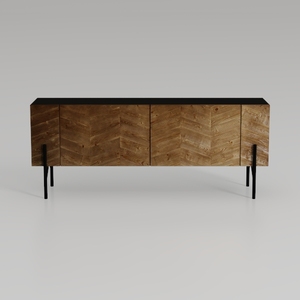
Modern Chevron Solid Wood Metal Sideboard 3D Model
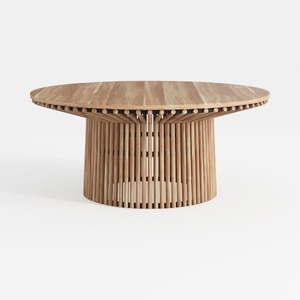
Merax Outdoor Dining Table 47.25" Round Extra
Homestyler is an exceptional online home design platform ideal for anyone looking to transform their space. With its user-friendly design tool, stunning 3D renderings, inspiring design projects, and comprehensive video tutorials, you have everything you need to easily create your dream home.
Zaprojektuj teraz za darmo
































