

Creating a sand and water table for limited space in a home or apartment is not only practical but also yields high rewards when children show their enthusiasm for it. When designing such a station, I prioritize compact dimensions, efficient drainage systems, ease of cleaning, and the ability to store it away easily. Engaging in sensory play is beneficial; research from the Interaction Design Foundation shows that multi-sensory environments greatly enhance engagement and learning by aligning with how humans process information. Furthermore, studies highlighted by Verywell Mind emphasize that vivid, warm colors stimulate exploration while cooler shades can soothe overstimulation, a valuable aspect when managing lively play in confined settings.
I model the entire setup to comfortably fit a corner balcony or a segment along a wall measuring 3 to 4 feet. For ergonomic consideration, it's advisable to maintain a play surface height of around 22 to 24 inches for toddlers and 26 to 28 inches for preschoolers, allowing for a relaxed arm position that keeps the elbows near the edge, which is consistent with human factor principles applicable in education and workplace ergonomics. Utilizing a dual-bin layout ensures sand and water are kept apart while providing varied tactile experiences; positioning the bins at shoulder-width helps minimize overspill and overreaching. For spatial planning, using a basic layout tool like Homestyler assists in testing the flow around doors and optimizing small circulation areas before construction begins.
Designing for Limited Spaces
In small-space designs, I focus on several key goals: maintaining a footprint of less than 30×18 inches, utilizing a foldable or stackable frame, ensuring bins have lids that can be removed, and incorporating clean, rounded edges. I target a total weight below 20 lbs for manageable mobility. The table must be resilient to moisture, dirt, and routine cleaning, so materials like marine-grade plywood, sealed softwood, or powder-coated steel are ideal choices. Additionally, I integrate a drainage system to ensure water evacuation and a method to control sand dispersion.
Essential Materials and Tools
Bins: Use two food-grade plastic storage containers (12–16 qt each) with airtight lids. Frame: Construct using 1×2 or 2×2 kiln-dried pine or poplar; alternatively, select a lightweight aluminum kit for metal preferences. Deck: A 1/2 inch marine plywood sheet sealed with low-VOC waterborne polyurethane serves as an excellent base. Hardware includes stainless screws, pocket-hole fasteners, and corner brackets. Required accessories consist of a small ball valve and hose barb for the water bin, silicone gaskets, sand sifters, and scoops. Tools necessary for assembly include a miter saw, drill/driver, step bit, countersink, square, measuring tape, and sanding block. Ensuring that all finish materials are low-VOC complies with WELL v2’s standard for healthier indoor environments.
Optimal Dimensions
When designing for a balcony or narrow hallway, I prefer a deck height of about 28 inches to accommodate diverse age groups, with adjustable leg options to lower it to 24 inches for toddlers. The deck dimensions of 28×16 inches snugly accommodates two plastic bins, providing sufficient lip to secure them. A solid stance and diagonal bracing are vital to prevent tipping when children lean over; aiming for a leg spread of 22 to 24 inches with cross-braces enhances stability. If opting for a wall-mounted design, the foldable deck should clear baseboards effortlessly and make room for bin storage on a compact shelf when not in use.
Building Steps: Straightforward and Reliable
1) Frame Construction: Create a rectangular frame using 1×2s, employing pocket holes at the corners. 2) Insert the Deck: Drop in a sealed 1/2" plywood surface with cutouts to fit each bin's top flange, maintaining a 1/2" perimeter. Round the edges to prevent injury. 3) Assemble Legs and Bracing: Affix four legs using corner brackets; include lower stretchers along the longer sides for added rigidity against racking. 4) Water System: Drill a 3/4" hole in one bin and attach a silicone-gasketed hose barb and ball valve, guiding water drainage to a receptacle. 5) Final Touches: Sand down to 220 grit and apply two coats of low-VOC polyurethane for finishing. 6) Safety Inspections: Verify that all fasteners are flush, edges are smooth, and the entire unit is level on the ground.
Managing Sand and Water
I place a small doormat beneath the table to capture mud. Using a lidded bin deters insects and limits evaporation mess inside. For water management, a simple valve drainage system streamlines cleanup; keep a bucket close by for prompt disposal after use. If indoors, a shallow tray can be used under the table to collect excess water. For sand, mid-grade play sand minimizes dust; avoid overly fine sand, which tends to become airborne.
Lighting, Color Schemes, and Comfort
Proper lighting is crucial, as glare can cause discomfort. Aim for soft, diffused lighting around 2700–3500K to maintain a warm and inviting ambiance. Children are drawn to primary colors; it's essential to use them judiciously in small spaces to avoid sensory overload. Insights from Verywell Mind highlight that red and yellow shades can energize, while blues and greens provide tranquility; I incorporate warm accents on tools while keeping the table's frame neutral to balance the overall aesthetic.
Noise Reduction and Acoustics
Activities involving water play, scooping, and bin tapping might amplify sounds in apartments with hard surfaces. To mitigate impact noise, place a small rug under the table and felt pads on the legs. When engaging in wall-mounting, add rubber spacers to separate the deck from the structure to prevent vibration transfer. Opting for soft plastic tools as opposed to metal reduces clattering during play.
Safety and Ergonomic Considerations
Ensure all edges are rounded for safety. Maintain a low center of gravity and wide stance. Cap the number of children playing at two to ensure safety in smaller areas. Ensure the bins are designed to be shallow enough for children to rest their forearms comfortably without needing to elevate their shoulders. Regularly check that valve parts remain secure and inaccessible to curious toddlers who might tamper with them. Ultimate supervision is necessary around any water play, even in shallow bins.
Storage Solutions and Simplifying Cleanup
Lids are essential for maintenance. Snap them securely on, stack the bins vertically on the deck, and conveniently slide the unit away into a closet or behind a sofa when not in use. Always drain water fully and dry out the interiors. For applications involving colored rice or beans at different times, assign a separate labeled bin for those materials. A handheld vacuum can efficiently manage dirt and debris around the mat.
Advice for Small-Space Layout
Position the sand and water table near a surface that's easy to clean, such as tile or vinyl, facilitating effortless cleanup. It’s important to maintain a clear 24 to 30-inch zone around the table so that adults can reach it without obstruction from other furniture. Using a digital interior layout planner, such as Homestyler, can significantly streamline the planning process and help avoid conflicts such as door swings and stroller placements without rearranging the whole area.
Sustainability in Material Choices
Opt for certified play sand and repurpose bins from existing storage solutions to minimize waste. Choosing low-VOC finishes also contributes to maintaining indoor air quality. Leftover plywood scraps can be creatively transformed into tool trays or funnels. If the design grows too small for your child over time, consider repurposing the structure as a plant stand by swapping out bins for planters and sealing the drain.
Ongoing Maintenance and Potential Improvements
Regularly check brackets on a monthly basis, tighten any loose fasteners, and reseal wood surfaces in humid environments each year. You might also want to introduce a textured insert on one side for days when kinetic sand is in play. Additionally, a removable canopy can effectively reduce glare when playing outside. For seasonal changes, transition to a water-only setup with floating toys, then revert to sand when you can ventilate the area by opening windows.
Frequently Asked Questions
Q1: What dimensions are ideal for a studio apartment?
A1: Keep the deck size around 28×16 inches with an overall footprint under 30×18 inches. This configuration can comfortably accommodate two 12–16 qt bins while ensuring sufficient space to circulate in compact rooms.
Q2: What is a suitable height for toddlers compared to preschoolers?
A2: A height of 22–24 inches is appropriate for toddlers, and 26–28 inches for preschoolers, which aids in maintaining a neutral elbow position while minimizing shoulder strain during play.
Q3: How can I minimize indoor water mess?
A3: Implementing a ball valve and drain system on the water bin can greatly ease cleanup, complemented by a tray underneath the table and a bucket for quick drainage. Lids are useful for breaks during play.
Q4: Which sand type produces less dust?
A4: Medium-grain play sand strikes a good balance—less airborne dust compared to finer varieties, while remaining moldable for creative play.
Q5: What strategies can be employed to control glare?
A5: Utilizing diffuse, warm lighting in the 2700–3500K range while avoiding direct lights onto the water surface can mitigate glare. An additional small canopy or shade can offer protection outdoors.
Q6: How to ensure the stability of the frame?
A6: Widening the stance of the legs to 22–24 inches, incorporating lower stretchers, and using diagonal braces are effective measures to improve stability. Also, adding non-slip pads aids grip.
Q7: Which materials should be chosen for durability?
A7: Sealed marine plywood and powder-coated steel are ideal for resisting moisture and dirt. Stainless steel hardware and low-VOC waterborne polyurethane should be used for any finishes.
Q8: Is wall-mounting feasible in a hallway?
A8: Yes, a fold-down bracket can be effectively utilized. Ensure that th studs are properly anchored, include rubber spacers to dampen vibrations, and confirm clearance for door swings before installation.
Q9: How can I store the unit to avoid clutter?
A9: Secure the lids, stack the bins, and slide the whole setup into a closet or behind a sofa to manage space efficiently. Keep a mat and handheld vacuum at hand for quick clean-ups.
Q10: Is color significant for engaging children?
A10: Warm, balanced accents on the tools can promote exploration, while neutral colors for the table's frame help prevent overstimulation. Insights from Verywell Mind establish that warm colors energize while cooler shades promote calmness.
Q11: How can winter play be effectively managed?
A11: Use a water-only bin with floating toys during winter, especially if sand tracking poses a problem; return to sand play when possibilities for ventilation through open windows arise.
Q12: How frequently should the table be maintained?
A12: Conduct monthly fastener inspections and reseal the wooden parts annually if they are exposed to moisture. Replace gaskets on the drainage valve if any leaks occur.

Safavieh Home Soleil Natural and White Leather Wov
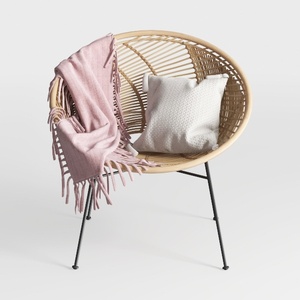
Outdoor 1-Person Wicker Rattan Egg Swing Chair wit
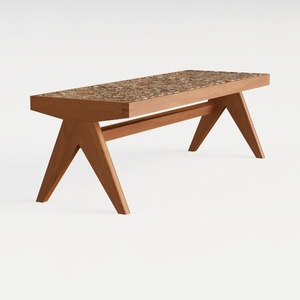
Solid Wood Rattan Bench
Homestyler is your go-to online home design platform! With its easy-to-use design tool, stunning 3D renderings, and extensive library of DIY video tutorials, you can effortlessly create and visualize your dream spaces. Unleash your creativity and transform your home today!
Дизайн сейчас бесплатно
































