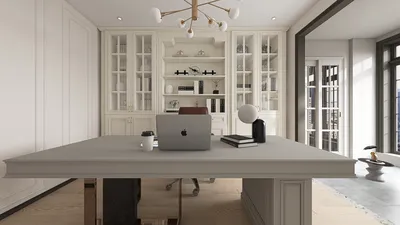


Establishing a concentrated study area in a limited space requires careful selection of color, suitable lighting, and soothing spatial designs. By integrating Vastu principles—such as clarity, grounding, and orientation—with established studies in color psychology and ergonomics, I can transform small rooms into environments conducive to focus and productivity without feeling confined. The use of tools like Homestyler can enhance this process by visualizing the arrangement and vibe of your study space.
The influence of color on cognition and emotions is often underestimated. Research from Verywell Mind indicates that shades of blue are typically connected with tranquility and concentration, while green promotes balance and rejuvenation—ideal for extensive reading or screen time. According to findings from Steelcase, having better control over your surroundings (which encompasses lighting and visual comfort) can significantly improve engagement and lessen cognitive fatigue. Merging Vastu’s preference for earthy stability with these insights helps develop a consistent color scheme for small study areas.
The quality of light is just as essential. Guidelines from IES stress the importance of adequate task lighting and minimizing glare. In smaller rooms, implementing a layered lighting approach prevents harsh bright spots that could strain the eyes. The WELL v2 standards advocate for a mix of ambient, task, and light-sensitive options to maintain focus and diminish stress, especially during prolonged study sessions.
Vastu-Compatible Color Choices for Compact Study Areas
My foundational palette for small study environments combines Vastu-compliant neutrals with soothing accent colors. For walls, soft off-white, warm sand, or light taupe can help maintain brightness and spatial clarity. Consider adding accent panels or shelving in muted blue (to foster focus) or sage green (to promote balance), aligning with Vastu’s emphasis on serenity and color psychology. Reserve bolder colors—like deep teal or muted terracotta—for smaller décor elements or furniture, ensuring you don’t overwhelm the limited space.
Opt for matte or eggshell finishes to reduce glare on surfaces. Glossy paints can reflect too much light and create distracting visual noise in compact rooms. If incorporating a feature wall, orient it towards the east or north where Vastu suggests clarity and intellect; select cooler hues (like the blue-green spectrum) if the room receives warm natural light. Steer clear of bright reds and high-chroma oranges near your desk; while they can energize, they might hinder prolonged reading and analytic tasks.
Guidance on Orientation: Synchronizing Color with Vastu Principles
Practically, I position desks so that users face east or north. East-facing designs complement crisp, light neutrals with controlled blue accents, while north-facing rooms do well with warmer neutrals (like linen or oatmeal) and gentle greens to balance out cooler natural daylight. Incorporating earth tones at the floor level—such as a woven natural rug or light wood—can ground the atmosphere. Opt for soft-brushed metal finishes rather than shiny ones.
When spatial design feels limited, utilizing a flexible room layout planner can assist in visualizing flow and balance before finalizing colors and furniture. Employing a tool like Homestyler enables testing of adjustable desk placements, storage configurations, and color distributions, keeping Vastu principles in mind while maximizing the available area.
Lighting Considerations: Color Temperature, Contrast, and Glare Mitigation
Lighting must be optimized for color to have its intended effect. I recommend using LED task lights in the range of 3000–4000K for study areas to maintain neutral-white clarity without the harshness of cold tones. Following IES standards, achieving balanced task illumination with a low Unified Glare Rating (UGR) keeps the eyes at ease. A combination of focused, adjustable desk lamps alongside diffuse ambient lighting can prevent stark contrasts between a brightly lit desk and relatively dim surroundings. The WELL v2 framework suggests accommodating circadian rhythms; if the study space also serves as an evening workspace, automated warm dimming after dusk is beneficial.
In small environments, managing window treatments is important. Sheer shades or translucent roller blinds can diffuse direct sunlight without dulling colors. If the room is dimly lit from the north, enhancing wall reflectance with lighter neutrals and keeping the ceiling brighter than the walls can create an illusion of greater volume.
Considering Ergonomics and Human Interaction
Color is just one element in managing attention. A clear visual landscape decreases cognitive load; therefore, it’s ideal to keep vibrant items tucked away in storage. Ensure monitor placement is at eye level and select a chair with supportive fabric and a muted color to prevent distraction. Studies from Steelcase indicate that environmental control (including adjustable seating, lighting, and sound) plays a crucial role in maintaining focus. I incorporate soft acoustic materials (like rugs or fabric pinboards) in shades that complement the wall colors to absorb sharp sound reflections.
Choosing Materials and Finishing Touches
Opt for low-VOC paints to promote healthy indoor air quality while ensuring consistent color application. Matte-finish desk surfaces can effectively hide glare; mid-tone woods (like ash or oak) provide stability without appearing too heavy. For storage, light cabinetry with integrated handles maintains clean lines and extends visual depth; incorporating darker hardware can add subtle definition without breaking the spatial fluidity.
Optimizing Spatial Ratios: Enhancing Perception of Size in Small Rooms
My ideal ratio for small study environments is 60/30/10: 60% light neutral background, 30% calm mid-tone accents (in blue, green, or earth tones), and 10% darker emphasis on the floor or select objects. This approach sustains visual equilibrium while maintaining a disciplined color palette. Applying vertical color blocks—lighter at the top and slightly deeper below—can bolster the feeling of height in the room.
Practical Layout Suggestions for Confined Study Areas
Ensure clear movement pathways by placing the desk near a window or at an angle to it to control glare on screens. Arrange shelving in uniform tones, utilizing closed fronts for heavier items, while leaving open space for lighter objects to avoid visual clutter. For iterative planning, layout simulation software can help visualize desk orientations and storage arrangements before undertaking any painting or installation.
Cool Focus: Walls—warm off-white; Accent—subdued steel blue; Floor—light oak; Textiles—sage pinboard, soft gray chair. Balanced Clarity: Walls—light taupe; Accent—sage green; Floor—natural jute rug; Metal—brushed brass lamp (a warm accent that is not high-gloss).
Care and Maintenance for Small Rooms
Small spaces tend to show signs of wear more rapidly. Choose wall finishes that are scrub-resistant and eggshell to enhance durability; safeguard heavily used areas with a clear matte coating. Utilize removable accent textiles to refresh colors seasonally without the need for repainting. Keeping cable management organized and color-coordinated with the wall or desk will help maintain visual tranquility.
Frequently Asked Questions
Q1: Which wall colors are best for Vastu in a compact study room?
A: Light neutrals (such as off-white, light taupe, and warm sand) with controlled accents of muted blue or sage green align with Vastu’s focus on clarity while also promoting concentration according to color psychology studies.
Q2: Is the color blue too frequently used in study rooms?
A: Not if it remains muted and serves as an accent. Blue cultivates concentration, so it's effective on a feature wall or storage details rather than saturating all four walls of a small area.
Q3: What should the color temperature be for my desk lamp?
A: Aim for a neutral-white light between 3000–4000K, which helps maintain text clarity and decreases eye strain. Combining task lighting with soft ambient illumination can mitigate harsh contrasts.
Q4: Can warm colors be effectively used in a study setting?
A: Yes, in moderation. Consider using warm neutral tones for the walls while restricting vibrant reds or oranges near the desk; they might elevate energy levels but can also diminish prolonged focus in tighter spaces.
Q5: How should I manage a north-facing study room?
A: Favor warmer neutrals (like linen or oatmeal) with subtle green accents. Amplify ambient light by selecting lighter ceiling colors than the walls and utilizing a neutral-white task lamp.
Q6: What's a straightforward rule for color choices in small areas?
A: Consider the 60/30/10 guideline—60% light neutrals, 30% calming mid-tones, and 10% deeper accents. This ensures visual balance and prevents overloading on color.
Q7: Which finishes are most effective at reducing glare?
A: Matte or eggshell paints for walls, smooth matte surfaces for desks, and soft-brushed metal finishes are ideal. Avoid high-gloss finishes near work areas.
Q8: How do sound levels impact study efficiency?
A: Utilizing soft materials (like rugs or fabric panels) helps cut down on echo and lowers distractions, supporting longer concentration spans, especially in small areas.
Q9: Do Vastu directional recommendations alter color selections?
A: Yes, they influence color placements. Desks oriented east benefit from sharper neutrals and cool tones; north-facing rooms typically thrive with warmer shades paired with green accents.
Q10: What strategies apply for rooms without windows?
A: Implement lighter neutrals, high CRI neutral-white lighting, and layered ambient/task lighting. Keep accent colors subtle to maintain a serene visual atmosphere.
Q11: Are plants beneficial in small study environments?
A: Definitely. Small, easy-care plants can add a touch of natural green while fostering calmness, as long as they don’t obstruct light or clutter surfaces.
Q12: How can I update the color scheme without repainting?
A: Switch out textiles, such as chair covers, pinboard fabric, and rugs, within the same accent color range. Maintaining a cohesive scheme ensures the room stays visually harmonious.

Lufeiya White Desk with 4 Drawers - 47 inch Gaming
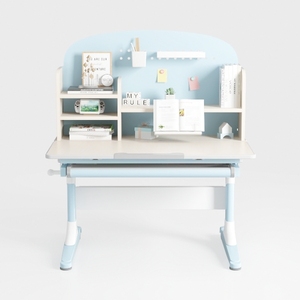
INBAYJAN Home Office Desk, Office Table, Computer
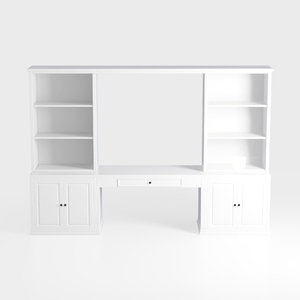
TREATLIFE HOME Elegant White Computer Desk with Hu
If you're looking to transform your living space, Homestyler is your go-to online design platform! With its user-friendly design tools, stunning 3D renderings, creative design projects, and helpful video tutorials, turning your home design dreams into reality has never been easier. Start designing today!
Progetta ora GRATIS
































