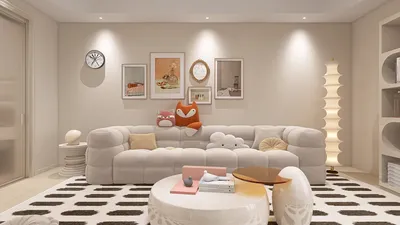


I’ve always had a deep appreciation for homes that exude warmth, comfort, and a sense of belonging—places where dogs lounge beneath tables, cats bask in sunny spots, and people flow through spaces effortlessly. Creating a "home that accommodates all creatures" goes beyond cluttering areas with decor; it’s an intricate design of light, spatial movement, materials, and sound comfort that aligns with both human and animal behaviors. The ideal outcome is a residence that matures gracefully, embraces life's messes, and supports everyday practices.
Research indicates that well-designed spaces significantly enhance wellbeing. According to Steelcase's workplace studies, the presence of natural light and views is linked to improved satisfaction and performance levels amongst occupants, underscoring the impact of sunlight on our daily mood and energy levels. WELL v2 guidelines also address our biological requirement for balanced light exposure while outlining specific targets for melanopic lux to promote circadian wellness—principles I directly incorporate into planning residential spaces with layered lighting and glare control. These criteria guide choices regarding window positioning, light temperature, and shading techniques beneficial for both humans and their pets.
Beyond light, comfort needs are multifaceted. Herman Miller research shows that varied postures and ergonomic support can alleviate discomfort and enhance concentration, which is essential in both home offices and living areas. Pets exhibit predictable preferences as well: cats prefer high spots, dogs enjoy traversing through open spaces with soft landings and cool surfaces, while small animals seek cozy hideaways. By integrating these behavior-oriented microzones, we can alleviate stress, reduce conflicts, and establish a harmonious household rhythm.
Design Vision: Creating a Gentle, Durable, and Adaptable Living Space
My goal is to achieve a layered ambiance—incorporating warm woods, washable materials, and harmonious color palettes—resulting in a home that feels welcoming and authentic. The layout favors ample thresholds, curved corners, and sightlines that facilitate the supervision of pets without making the space feel like a pet facility. The chosen materials are meant to age gracefully rather than remain immaculate.
Light Environment: Prioritizing Daylight and Minimizing Glare
Daylight serves as the anchor for our daily rhythms. I strategically position seating and pet areas to capture the gentle morning light while reserving high-contrast zones for more robust finishes. Maintaining a mix of 2700–3000K ambient lighting for evenings and 3500–4000K task lighting for kitchens and workspaces ensures comfort without harsh illumination. Following IES guidelines, task areas are designed to meet necessary illuminance levels while mitigating distracting reflections; the use of dimmers and layered lighting allows for seasonal adjustments. For the comfort of older pets, I include low, indirect night lighting in hallways to enhance their navigation without startling them.
For window treatments, I prefer dual-layer systems that provide glare control and total darkness when needed, especially in bedrooms. This respects the WELL v2 guidelines regarding circadian health while catering to both human sleep needs and the instinctual morning activity of pets. Cats, for instance, love to sunbathe, so window perches should be designed to avoid direct glare while featuring soft diffusing sheers behind them.
Color Psychology and Material Comfort
Using neutral, nature-inspired color schemes helps ground environments and minimizes overstimulation. Cooler neutral tones work best for busy spaces, while warmer shades in living areas foster a sense of tranquility. Insights from Verywell Mind suggest that blue and green hues are often associated with calmness and rejuvenation; I incorporate these as subtle backgrounds rather than bold statements. Medium-scale patterns are ideal as they can conceal pet hair without creating visual chaos.
Material choices lean towards those that are cleanable, breathable, and durable, such as closed-loop performance fabrics with high rub ratings, wool blends for temperature regulation, and dense-weave slipcovers. For flooring, oiled hardwood or matte-engineered planks are preferred as they tend to hide scratches better than glossy finishes. In areas prone to moisture, porcelain tiles with high slip resistance and sealed grout are practical choices for easier maintenance. It’s wise to avoid delicate finishes and prioritize rounded corners to mitigate damage from playful encounters.
Behavior-Based Zoning: Crafting Microhabitats for All Creatures
Pets navigate homes largely through scent, perspective, and routines. I create specific microhabitats that cater to these instinctual behaviors: a cozy, low bed near human seating for dogs; vertical spaces like shelves or cat trees positioned near light for cats; and ventilated areas for small animals, safely away from kitchen distractions. These zones are located off main traffic routes to avoid accidental bumps. Food and water sources are placed in quieter corners, away from busy pathways to minimize spills and territorial disputes.
When arranging rooms or repositioning furniture, I simulate pathway widths of 900-1100 mm to facilitate shared spaces and incorporate drop zones near entrances. Using Homestyler, a room layout tool, allows for rapid iterations and visual assessments of pet pathways versus human seating setups without any guesswork:
room layout tool
Acoustic Comfort: Achieving Calmness Without Sterility
Noise can lead to fatigue in both humans and animals. I employ layered sound absorption techniques—such as area rugs over resilient flooring, upholstered seating with breathable cores, and fabric-wrapped panels in acoustically challenging rooms, while bookshelves serve as natural diffusers. Bedrooms benefit from solid-core doors and soft window coverings. Mechanical noise can be reduced by selecting low-sone exhaust fans and situating laundry areas away from sleeping zones. A tranquil backdrop lessens sudden movements and mitigates barking or pacing.
Kitchen and Dining: Designed for Messes and Comfort
It’s essential to design for unavoidable messes: using washable paints, sealed baseboards, and easily accessible storage for cleaning supplies and pet gear. Feeding zones are situated on matte tiles with a slight lip or tray to catch spills, and I opt for slow-feed bowls for dogs that tend to gulp their food. A sideboard with ventilated compartments discreetly stores pet food and appliances while ensuring airflow. Task lighting set at 3500-4000K maintains color accuracy for culinary tasks while ambient lighting remains warm for dining experiences.
Entry, Mudroom, and Care Stations
Entrances serve more than just welcoming guests; they reestablish the indoor environment after outdoor exposure. I design a landing area using non-slip porcelain or stone, a bench for harnesses and leashes, and if possible, a pull-out sprayer or pet shower. Hooks and ventilated compartments for damp items, complemented by a laundry area equipped with a highly effective lint trap, help manage shedding. A small, lidded waste bin and sealed container for pet food are placed away from heat sources to minimize odors.
Living Areas: Balancing Shared Comfort and Reduced Clutter
I arrange seating to safeguard movement and provide animals with predictable paths. Coffee tables with rounded edges, durable upholstery, and easily washable throws simplify cleanup. Low shelves hold baskets for toys, and I rotate these toys weekly to maintain engagement while minimizing visual clutter. Plants are chosen for their safety around pets and placed in heavy ceramic pots to prevent tipping.
Bedrooms: A Secure and Restorative Retreat
Creating a dark, serene, and breathable environment is crucial. Blackout shades, soft bedside lamps with 2700K warmth, and low-level night lights help guide pets without interrupting their melatonin cycles. Elevated perches for cats should be stable and positioned safely away from door swings, and dog beds should be situated away from high-traffic areas. For shared sleeping spaces, I recommend moisture-barrier mattress protectors and breathable materials such as cotton or linen to help regulate temperature in cozy clusters.
Home Office: Ergonomic Design for Humans, Boundaries for Pets
Ergonomic chairs, adjustable work surfaces, and screens aligned at eye level promote healthy posture. Insights from Herman Miller confirm the benefits of varying posture; thus, I include a soft mat beside the desk for pets so they don’t jump onto keyboards. Proper cable management and secure storage options deter chewing behaviors. Task lighting that minimizes glare while maintaining a neutral color temperature helps sustain concentration during extended work sessions.
Outdoor and Transitional Spaces
Thresholds are essential: shaded areas diminish heat stress, and textured pavers improve traction for older pets. A hose bib positioned near the entry and a dedicated towel cabinet facilitate quick cleanups. Should fencing be necessary, I opt for designs that maintain visual peace without promoting fence-running behavior, and I incorporate plant buffers to soften the sightlines.
Sustainability and Longevity
Sustainability starts with durability. I focus on finishes that withstand wear, components that can be repaired, and furniture that is modular. Features such as washable slipcovers, replaceable cushions, and oiled wood surfaces that allow for minor repairs all extend longevity. Low-VOC paints and adhesives contribute to overall indoor air quality, while wool rugs help with humidity control and resist dirt naturally.
Spatial Ratios, Rhythm, and Visual Harmony
Maintaining balanced proportions greatly influences comfort levels. I ensure main pathways remain unobstructed, cluster seating for better conversation, and utilize repetition in materials, hues, and forms to create spatial flow. Vertical elements counterbalance horizontal stretches, while varying heights offer cats observing spaces without overwhelming sightlines. The environment flourishes when negative spaces are respected.
Project Reflections and Practical Gains
In my projects, the most transformative adjustments were minor: relocating feeding stations away from busy routes, introducing washable runners in hallways, and setting warm lighting scenes post-sunset. Elevated spaces near diffused light significantly decreased cat disagreements, while a softer soundscape created by rugs and fabric panels lessened barking triggers by muffling outside noise.
The interplay of daylight, biological rhythms, and behavioral evidence informs all design decisions. For further insights on light and wellness, consult WELL v2 resources for practical guidance; Steelcase research elaborates on how environmental influences such as natural light and control can enhance overall wellbeing and performance.
FAQ
Q1: How can I minimize visible pet hair without darkening the entire space?
A: Opt for mid-tone, subtly patterned textiles and rugs, as they effectively conceal hair better than solid dark or light options. Use dense-weave slipcovers and keep a handheld vacuum near entries for quick cleanup.
Q2: What lighting recommendations exist for a pet-friendly living room?
A: Strive for a balanced ambient light range of 2700-3000K with dimming capabilities, supplemented by glare-controlled task lights for reading. Blending daylight with sheer window coverings can soften bright contrasts, aligning with the circadian comfort recommended by WELL v2.
Q3: What’s the ideal width for circulation paths to accommodate both people and pets?
A: Maintain shared pathways roughly 900-1100 mm wide to prevent encounters. Avoid placing feeding areas or litter boxes along these routes—position them in alcoves or quiet corners instead.
Q4: What flooring options are best for handling scratches and spills?
A: Choose matte-finished engineered wood with low-sheen finishes to better disguise scratches compared to glossy alternatives. For wet or muddy areas, select slip-resistant porcelain or stone with sealed grout; adding washable runners enhances traction.
Q5: How can I manage noise in a home with anxious pets?
A: Employ layered sound absorption solutions, such as rugs, upholstered furniture, fabric panels, and bookcases as sound diffusers. Solid-core doors for bedrooms with low-sone mechanical equipment help minimize background stress.
Q6: Do you have suggestions for integrating a home office while minimizing pet interruptions?
A: Position a soft mat or pet bed near your workspace, use organized cable management, and keep attractive items stored safely. Ensure the use of adjustable standing desks and low-glare task lighting, which aids in maintaining focus.
Q7: Which colors promote a calm, restorative environment?
A: Nature-inspired neutrals accented with softer blues and greens create soothing themes, supported by color psychology insights from Verywell Mind. Maintain low saturation levels and incorporate texture for added depth.
Q8: How can I design entries to effectively cope with muddy paws?
A: Implement non-slip, easy-to-clean flooring, install a bench for leashes, ventilated storage solutions, and if space permits, a pet shower or sprayer. Include a dedicated towel storage cabinet and a small lidded bin for easy waste disposal.
Q9: Where should I place cat perches and trees?
A: Position these near diffused light sources with stable bases, ensuring they are out of swinging door paths. Vary heights to allow cats view points without obstructing sightlines or pathways.
Q10: How can I effectively balance aesthetics with durability?
A: Select repairable materials, modular furnishings, and washable slipcovers with easily replaceable cushion cores. Oiled wood allows for minor repairs, extending the longevity of surfaces.
Q11: What’s the best strategy for managing feeding stations?
A: Position feeding areas in quiet corners on matte tiles or trays with slight lip edges. Utilize slow-feed bowls for dogs that gulp quickly, and ensure ventilated storage far from heat sources for pet food.
Q12: How do I efficiently plan spaces?
A: Begin by mapping circulation zones, microhabitats, and lighting requirements. Utilize a room layout tool like Homestyler to balance seating arrangements with pet pathways efficiently.
What began as an Autodesk innovation has evolved into a design platform used by more than 18 million people around the globe. Homestyler combines powerful rendering, an intuitive editor, and a vast furniture library to help you turn inspiration into photorealistic designs — whether you're redesigning a single room or planning an entire home.
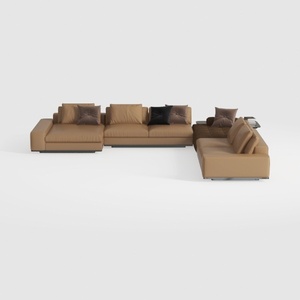

Modern Brown Leather U Shaped Sectional Sofa with Throw Pillows 3D Model

Minimalist Fluted Solid Wood 6 Drawer Dresser 3D Model

Modern Japandi Solid Wood Rattan Coffee Table 3D Model
Looking to transform your living space? Try Homestyler! This user-friendly online platform offers amazing 3D rendering, a wealth of design projects, and helpful DIY video tutorials. You'll easily visualize and create stunning interiors, no experience needed!
Design Now for FREE
































