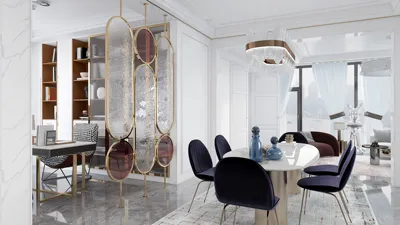


Combining a dining area with a pool table is not only achievable but can be tastefully done. Both spaces cater to social interaction, and with the appropriate proportions, lighting, and acoustics, you can create an environment that serves dinners on weekdays and eight-ball games on weekends. In my designs, I focus on ensuring smooth traffic flow, glare-free task lighting, and finishes that dampen sound while enduring everyday use.
The size of your room is crucial. A typical 8-foot pool table measures around 4' x 8' with a cue length of 57"; ideally, there should be approximately 5' of space around it for optimal playing. Research from Steelcase highlights a correlation between spatial proportions and comfort, revealing that well-designed areas can enhance productivity by up to 20%. This concept also applies to leisure areas at home, where unobstructed movement is key. For effective lighting, I rely on IES guidelines for tasks: aiming for 300–500 lux for detailed activities under neutral white light (3500–4100K) to reduce eye strain, which benefits both billiards aiming and reading menus at the table. Consult IES standards for specific illumination levels and glare reduction.
Your color selection can influence behavior significantly. Insights from Verywell Mind suggest that shades of green foster balance and alleviate anxiety, which pairs beautifully with traditional green felt and deeper forest hues in wall or textile choices. Soft, balanced neutrals such as warm gray, camel, and walnut help maintain a soothing atmosphere when transitioning from cues to cutlery. Utilizing a room layout tool can ensure you validate clearances before making any decisions.
Establish the Layout First
When I incorporate a pool table into a dining space, I define three essential zones: the table's footprint, the cueing area (ideally a minimum of 60" around), and clear pathways to entrances, storage, and serving areas. A 7-foot table can be a wise compromise in smaller spaces. Ensure at least 36" of clearance behind chairs; regarding dining comfort, the NKBA suggests a minimum of 24" per seated guest with 12–14" of knee clearance under tables. These dimensional boundaries prevent collisions between elbows and cue sticks with the backs of chairs.
Illumination Without Glare
The aim is to create uniform, shadow-free lighting that accommodates both dining and billiards. I typically opt for dimmable linear pendants or multi-head fixtures strategically placed above the pool table, complemented by a separate circuit for dining ambiance. The goal is to achieve 350–450 lux on the table felt, 250–350 lux on the dining surface, with a color temperature of 2700–3500K adjustable to set the mood. The shielding angle and the use of diffusers are essential—keeping veiling reflections to a minimum along the cue-to-ball sightline. Additional ambient lighting can be provided through wall sconces or perimeter tracks; maintaining a low unified glare rating (UGR) through matte finishes and indirect lighting sources is critical. Refer to IES standards for guidance on luminance balance and dimming practices.
Managing Acoustics for a Pleasant Atmosphere
Sounds like cue-ball impacts, laughter, and movement of chairs can escalate noise levels. Implementing layers of sound absorption—such as a wool or solution-dyed nylon rug underneath the dining table, fabric-covered acoustic panels, and upholstered seating—will help. Using soft-close hardware on storage and felt bumpers on chair feet can have a surprisingly positive impact. For larger areas, consider installation of ceiling baffles or microperforated panels to effectively manage sound reverberation while maintaining an attractive aesthetic.
Functional and Versatile Furniture Solutions
A dining-to-billiards convertible top is one of the easiest solutions. Opt for a two- or three-leaf tabletop with protective pads that won't compress the felt. The leaves should be stored in a credenza or a bench with hidden storage. Although counter-height options may seem appealing, checking cue angles is vital; a standard dining height (28–30") is more accommodating for both uses. If specific chairs restrict cue movement, consider using banquettes on one side and stackable or sled-base chairs on the opposite end.
Selecting a Material Palette: Where Durability Meets Style
I prefer hardwood constructions (like oak or walnut) with low-VOC finishes, durable performance fabrics (with a minimum of 50,000 double rubs), and stain-resistant table linens for dining. To ensure visual harmony, match the felt colors in minor details—such as linen edges, art matting, or ceramic glaze. It’s best to avoid high-gloss flooring; satin or matte finishes will help minimize glare and slippage. Use warm brass or bronzed hardware to add a touch of elegance, while powder-coated steel legs provide stability without bulk.
Strategic Layouts for Various Room Sizes
In smaller rooms (under 12' x 16'), opt for a 7' table, place bench seating along one wall, and include a narrow credenza for leaves. Install a shallow shelf for cue storage to maximize floor area. For medium rooms (approximately 14' x 18'), an 8' table will work, given that 60" cue clearance and 36" circulation are maintained. In large areas, think about a striking chandelier and dual zones—a billiard area centered, with dining slightly offset using a rug to create distinction. Utilize a layout planner to experiment with different arrangements before making your decision.
Harnessing Color Psychology for Mood Management
Deep greens, rich teals, and dark blues convey sophistication and enhance focus during play. Conversely, warm neutrals create a more relaxed dining atmosphere. In spaces lacking natural light, leaning towards a lighting color temperature of about 3500K can help prevent a cold appearance on food; dimming to warmer fixtures (2700K at lower settings) will set a tranquil dining ambiance. Smart contrasts—dark felt complemented by mid-tone walls—improve ball visibility while avoiding a cave-like feel.
Effective Storage Solutions and Accessories
Store cues, chalk, triangles, and table brushes in a sideboard or built-in niche. Protect the accessories by lining drawers with felt. A compact rail-mounted rack will save wall space. For dining items, keep linens, chargers, and candleholders organized in the same storage unit to maintain a clutter-free environment. Additionally, a small utility tray near the table can collect chalk dust and napkin rings.
Considering Traffic Flow, Safety, and User Comfort
Be aware of wrist and shoulder movements: cues require ample swing room without hitting chair backs. Ensure power outlets are located away from primary cue paths; floor boxes should be placed under the dining table's footprint to avoid tripping hazards. Opting for rounded table corners and soft-edge furniture can minimize injuries during competitive play. If children are in the area, magnetic cue holders and a lockable chalk drawer contribute to safety.
Creating an Inviting Atmosphere
Integrate varied textures—such as bouclé on dining chairs, leather on cue rests, and linen on the convertible top. Use art that reflects geometric patterns to resonate with rack formations. Center a bowl of citrus or a sculptural vase on the dining table for meals and move it aside during games. Ensure that the chalk color aligns with the felt for a cohesive appearance.
Adapting for Seasons and Events
During holidays, replace the felt-safe top and feature a richer tablescape—garlands, taper candles, and low floral designs should not exceed 12" to maintain sightlines. For game nights, roll up the rug (if it raises edges), dim ambient light to 30%, and elevate task lighting to 400-450 lux over the felt.
Evaluating Budget and Phased Implementation
Tackle the project in phases: begin with lighting enhancements and storage solutions before considering the addition of a conversion top or new pool table. Update flooring and painting once the layout is finalized. If table size poses uncertainty, use painter's tape to outline boundaries and test arrangements; a layout simulation tool is invaluable to identify potential issues in the design.
Frequently Asked Questions (FAQ)
Q1: What room dimensions are necessary for an 8-foot pool table in a dining area?
A: Aim for approximately 14' x 18' to keep about 60" of cue clearance and 36" circulation behind seats. Smaller rooms may accommodate a 7' table and bench seating.
Q2: What is the ideal lighting intensity for billiards compared to dining?
A: Aim for 350–450 lux evenly across the felt and 250–350 lux on the dining surface. Utilize dimmable fixtures around 2700–3500K, according to IES recommendations for comfort and glare management.
Q3: Are conversion tops safe for the felt?
A: Absolutely, provided they include protective pads and are sturdy enough to prevent warping. Always brush the felt both before and after to remove any dirt that may cause damage.
Q4: What felt color is most suitable for a dining space?
A: Shades like deep green, teal, or navy work harmoniously with warm neutrals and align with color psychology findings indicating greens promote tranquility and balance.
Q5: How can I diminish noise during gameplay?
A: Incorporate soft materials—like area rugs, upholstered seating, and fabric-covered acoustic panels—and utilize felt bumpers on chair legs. In larger spaces, consider installing ceiling baffles to absorb sound.
Q6: What seating arrangement minimizes interference with cueing?
A: Opt for bench seating along one wall and choose sled-base or stackable chairs for compactness. Maintain 36" clearance behind chairs to ensure unfettered movement.
Q7: Is it appropriate to place a chandelier above the pool table?
A: Yes, provided it delivers even, glare-free light. Consider supplementing it with linear fixtures or adjustable heads to ensure balanced illumination over the table without hindering gameplay.
Q8: How should I plan storage for cues and dining-related items?
A: A credenza or built-in niche with felt-lined drawers for cues, chalk, and triangles; use separate compartments for linens and dining pieces. Wall-mounted racks can preserve floor space.
Q9: Is a 7-foot table too small for adult players?
A: Not at all. A 7' table accommodates smaller areas and casual play while maintaining good shooting options and preserving movement in multi-functional spaces.
Q10: How can I minimize glare on the felt surface?
A: Implement diffused, shielded lighting fixtures with matte finishes around the table, balance illumination both vertically and horizontally, and avoid high-gloss flooring that reflects light.

YHKJLYH Poltrona, Sedia con Accento Moderno Sedie con Schienale Alto con Gambe in Metallo Dorato e Morbida Imbottitura, Poltrone capitonnè per Ufficio/Camera da Letto/Sala da Pranzo/Oro/F



Office Chair Plastic Chair Home Modern Minimalist
Homestyler is an outstanding online home design platform that empowers you to create beautiful spaces effortlessly. With its intuitive design tool, stunning 3D renderings, inspiring design projects, and helpful video tutorials, transforming your home into a stylish oasis has never been easier!
Design jetzt kostenlos
































