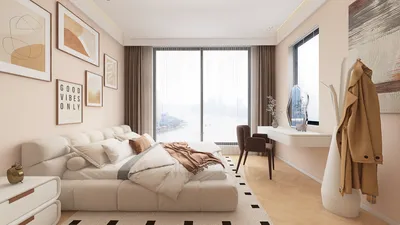


Establishing a fragrant home begins with recognizing how aromas interact with your surroundings, light, materials, and daily habits. My approach to interior design incorporates sensory elements where fragrances play a subtle yet potent part in shaping the atmosphere and functionality of a room. Research from Steelcase reveals that 51% of employees identify sensory aspects—including air quality and scent—as crucial to comfort and productivity, highlighting the importance of fragrance beyond mere aesthetics; it influences behavior. The WELL v2 (Air Concept) emphasizes indoor air quality by advocating for low-VOC products and adequate ventilation to alleviate discomfort and fatigue, which should inform our choices and usage of room sprays and other scents. This is where tools like Homestyler can assist in planning your interior with these elements in mind.
From a practical viewpoint, the longevity of a fragrance often hinges on its volatility and how it interacts with surfaces. Insights from Herman Miller regarding workplace environments reveal that routine-driven environmental signals, including scent, can enhance concentration and transitions. I personally witness this in residential interiors: applying strategically timed sprays before gatherings or sleep can significantly influence mood and actions. Color psychology further contributes—Verywell Mind states that warm colors promote energy, while cooler shades encourage serenity. Thus, I frequently combine invigorating citrus fragrances with warm decor and gentle floral scents with cooler, softer palettes to maintain harmony between visual and olfactory cues, potentially enhanced by a design tool like Homestyler.
Distinguishing Room Sprays from Other Home Fragrance Options
Room sprays offer a quick, impactful scent experience with varying degrees of longevity. Candles contribute a warm glow and consistent fragrance, while reed diffusers provide a flame-free background scent. Other options like plug-ins and nebulizers ensure continuous fragrance but require careful management to avoid overwhelming the senses. My typical strategy involves layering a quick-release spray atop a gentle diffuser and reserving candles for evening ambiance, avoiding clashing scents.
Safety, Indoor Air Quality, and VOC Awareness
I maintain a rigorous approach to fragrance labels. Seek out low-VOC options, phthalate-free fragrances, and materials compliant with IFRA standards. The recommendations from WELL v2 (Air) support this by advising to minimize pollutant sources and ensure proper ventilation before and after fragrance application. A straightforward procedure is effective: open a window or activate a balanced ventilation cycle, spray away from your face, fabrics that may stain, and areas accessible to children. For sensitive individuals, conduct a test on a cloth before applying it in the space, keeping the usage both minimal and impactful.
Identifying Scent Families and Optimal Usage
- Citrus and green scents are ideal for refreshing morning energy in the kitchen and entryway; they eliminate persistent odors and convey cleanliness.
- Floral and powdery fragrances are perfect for bedrooms and closets, especially when paired with soft fabrics. Consider options like peony, iris, or heliotrope for a soothing atmosphere.
- Woody and resinous scents suit living areas and studies; options like sandalwood and amber create depth and a sense of ritual.
- Herbal and aromatic fragrances are excellent for bathrooms; eucalyptus or mint evoke clarity and a spa-like vibe.
- Gourmand scents should be used sparingly in dining areas and festive occasions; notes like vanilla or tonka can warm a space without being overpowering.
Strategic Layering for Enhanced Longevity
I conceptualize fragrance application similarly to lighting design. Start with a base diffuser for a consistent background aroma. Enhance with targeted notes using room sprays—one or two spritzes around airflow paths such as doorways, return vents, or just above the sofa can disperse the scent effectively without creating pools. Supplement with accents like candles or linen sprays to elevate special occasions, such as dinners or cozy reading times. Additionally, rotating your scent choices with the seasons can help prevent olfactory adaptation.
Considerations for Placement, Airflow, and Micro-Zones
A spray functions best when strategically placed in areas of airflow. I aim to apply it slightly above shoulder height into open space, ensuring not to spray directly onto surfaces. For micro-zones, like reading corners or vanity areas, a light spritz at the entrance draws the fragrance through naturally. In open floor plans, I analyze air circulation and utilize design software like Homestyler to visualize pathways, helping avoid scent overlap and maintaining clarity among different areas such as the kitchen, living room, and workspace.
Material Choices and Avoiding Stains
Porous materials tend to absorb fragrance and sometimes stains. It's best to avoid spraying untreated wood, raw stone, and silk directly. Instead, aim for the airspace above resilient textiles and sealed surfaces. If ambient scent on fabrics is desired, opt for fabric-safe formulas, testing on hidden areas first such as behind cushions or curtain edges.
Influences of Light, Color, and Scent Perception
The temperature of light can significantly affect how we perceive fragrance. Cool light (4000–5000K) enhances citrus and herbal scents, while warm light (2700–3000K) emphasizes sweet and woody notes. I adjust the lighting to match the intended mood, taking care to minimize glare ensuring that scent and ambiance feel harmonious rather than discordant. Cozy, warm walls can make citrus aromas appear brighter, while in cooler-toned spaces, floral scents may feel airier. Such considerations ensure the sensory narrative remains coherent.
Acoustics and the Comfort of Behavior
Scent contributes to an overarching comfort strategy involving acoustics. In rooms with hard surfaces, strong scents can feel even more pronounced due to sound reverberation amplifying arousal. To soften the acoustic environment, I incorporate rugs and curtains, and I opt for lighter sprays—just one light spritz rather than two—to avoid overwhelming the senses.
Building a Routine: Morning, Hosting, and Wind-Down
- Morning: apply a bright citrus or green spray near the entry and kitchen post-ventilation; this promotes an energetic mood without leaving a lingering smell.
- Hosting: use a balanced combination of soft floral and woody bases; keeping the fragrance subtle ensures it complements rather than competes with food aromas.
- Wind-down: consider lavender or neroli with two light spritzes in the hallway or adjoining space rather than directly on bedding, allowing the air to carry the scent gently into the room.
Addressing Sensitivities: Pets, Allergies, and Household Concerns
In homes with pets, it's crucial to minimize direct contact with the animals and their bedding; ensure good ventilation and select gentle, low-VOC sprays. For individuals with fragrance sensitivities, leaning towards hypoallergenic options and testing with minimal applications is advisable. Establishing a fragrance-free zone—often a study or guest room—can empower residents to control their sensory environment.
Care for Storage, Shelf Life, and Performance
Both heat and light can dull scents over time. Store your sprays in cool, dark places, ensure tight sealing, and avoid areas with high humidity like bathrooms. Most room sprays deliver optimal performance within 12–24 months; if you detect a dull or sour smell, it's time to dispose of it.
Promoting Sustainability and Responsible Usage
I prioritize eco-friendly packaging, concentrated formulas (which use less plastic per application), and brands that provide transparent ingredient lists. Utilizing less—one or two well-placed spritzes—is more beneficial than excessive application. Combining fragrances with natural odor mitigators—like proper ventilation or charcoal and baking soda in closets—ensures that sprays enhance the environment rather than merely masking issues.
Frequently Asked Questions
Start with one to two spritzes into the open air near a circulation path. Allow 2–3 minutes for the fragrance to disperse before adding more.
They can lead to issues based on VOC content and ventilation. Adhere to WELL v2 guidance by selecting low-VOC products and ventilating before and after use.
Spray into the air above shoulder height, steering clear of untreated wood, silk, raw stone, and delicate finishes. Always test fabric-safe options on inconspicuous areas first.
Citrus, green, and mint notes are particularly effective, especially when paired with cooler light temperatures (approximately 4000K) to enhance freshness.
Plan airflow carefully and create defined micro-zones. Utilize a subtle diffuser for background scent and deliver a light spritz at entry points to guide the fragrance without creating pools.
I recommend two light spritzes in the hallway or nearby air so the scent gradually wafts in. For textile applications, ensure formulas are fabric-safe and test beforehand.
Seasonal rotation is an effective rhythm. Varying your scent options can help to reduce nose blindness, keeping your environment feeling rejuvenated.
Choose gentle, low-VOC products and avoid direct contact with pets and their bedding. Make sure to ventilate properly and monitor for sensitivity.
Layering strategies are beneficial: use a reed diffuser for background aroma, a targeted room spray for focal points, plus good ventilation to prevent masking of odors.
Absolutely. Warm light enhances sweet and woody fragrances, while cool light sharpens citrus and herbal scents, which can influence the perceived mood.
Homestyler's roots trace back to Autodesk, the global leader in design and engineering software. That heritage lives on in every feature we build. Today, with a community of more than 18 million users worldwide, Homestyler continues to make professional-quality interior design accessible to everyone — from first-time decorators to seasoned architects.
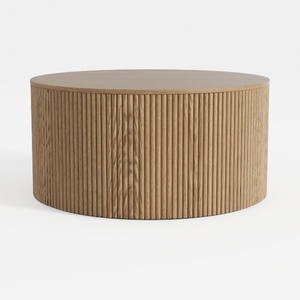
Minimalist Fluted Solid Oak Round Coffee Table 3D Model


Minimalist Solid Wood Nesting Coffee Table Set 3D Model
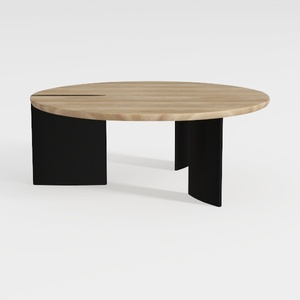
Minimalist Solid Wood Round Coffee Table With Black Metal Legs 3D Model
Homestyler is your go-to platform for easy and inspiring home design! With its user-friendly online design tool, stunning 3D renderings, diverse design projects, and helpful DIY video tutorials, you can effortlessly create and visualize your dream home—no experience needed!
Design Now for FREE
































