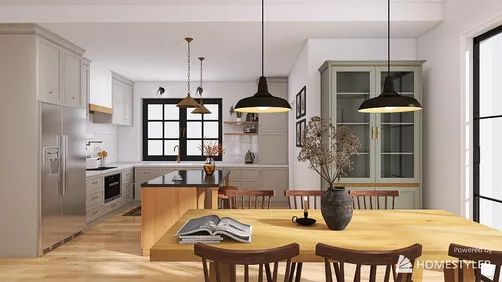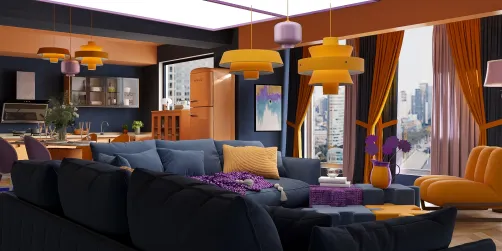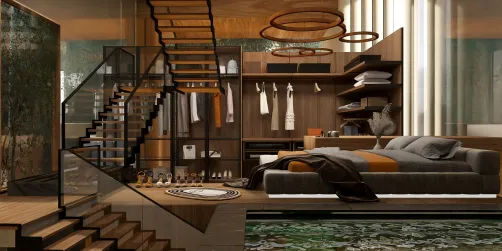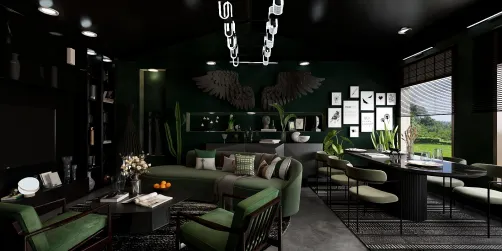


A client once requested a bathroom design that would evoke the sensation of 'walking into a pot of hot chocolate.' Initially, I considered a set of muddy brown tiles, but thankfully, I took a moment to create a quick 3D perspective sketch. This helped me understand that the bathroom's tones required layering rather than a flat application of brown. Small spaces often serve as excellent learning grounds; a single decision can transform a room from dull to dreamy.
1. Combine warm neutrals with added texture
My approach usually involves layering warm beiges, gentle greys, and soft ochres across three elements: the wall color, the mid-tone vanity, and a darker accent tile. Utilizing texture is key—matte plaster, soft linens, and textured rugs enhance depth without overwhelming the senses. Homestyler can help visualize how these elements interact in your bathroom.
Advantage: offers a timeless and serene ambiance; disadvantage: may appear flat if texture is overlooked. Helpful tip: test color samples on the wall at various times throughout the day to avoid a dull palette.
2. Add terracotta and clay highlights
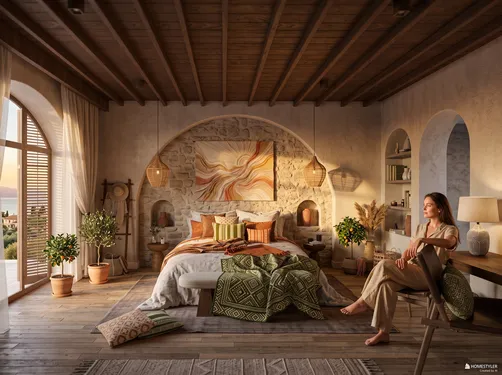
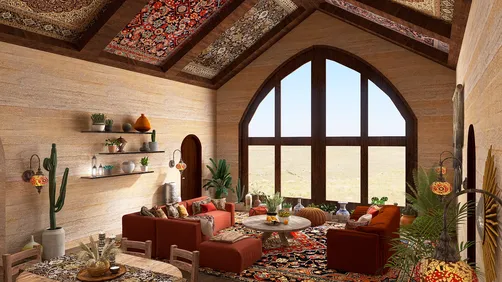
A touch of terracotta can dramatically enhance a space—think of small items like soap dishes or planters, or even a single strip of backsplash tiles. I once revitalized a small guest bathroom using a slender strip of clay tiles along with a pampas grass accent; it created a warm and unexpectedly contemporary vibe.
This approach is both budget-friendly and appealing, although terracotta does require sealing in wet areas. Alternatively, consider warm pottery decorations that can be easily swapped out seasonally for a refreshing update.
save pin
3. Embrace natural materials like stone and lime plaster
Using tiles that mimic stone or real slate in combination with lime plaster walls imparts an earthy, spa-like feel. During a recent renovation, I opted for honed limestone flooring paired with hand-troweled lime plaster—its subtle imperfections gave the space a lived-in yet luxurious appearance, as modeled in Homestyler.
Natural materials age beautifully but might come at a higher cost and require sealing. If you're on a budget, consider using high-quality porcelain tiles that replicate the look of stone, offering a practical yet authentic solution.
save pin
4. Incorporate warm wood tones and matte black fixtures
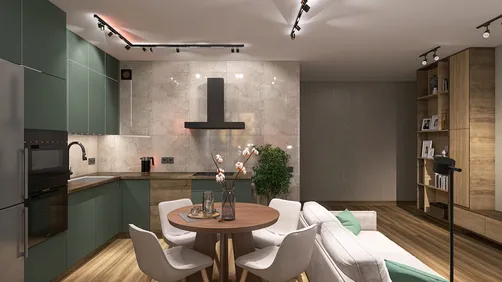
Wooden vanities or open shelving can provide warmth to cooler tile designs, while matte black fixtures introduce a striking contrast. I suggest using teak or walnut-look veneer in moisture-prone areas for a rich appearance that is less expensive than solid wood.
Matte black hardware is trendy and provides grounding; however, it may show fingerprints more readily. Look for finishes that have protective coatings and keep a mild cleanser nearby for easy maintenance.
save pin
5. Utilize light, greenery, and intelligent layouts
Natural light and plants complete the earth-toned design narrative. Even a narrow bathroom can feel spacious with a slim skylight or layered lighting, complemented by a trailing plant on a high shelf. When possible, I create a detailed floor plan to ensure that plumbing and lighting fixtures are strategically placed to enhance the design—small adjustments can lead to substantial aesthetic changes. You can plan these designs effortlessly using Homestyler.
For greenery, choose humidity-loving varieties like pothos or snake plants, which can endure occasional neglect. If budget constraints are present, high-quality faux plants can serve as a low-maintenance alternative in dim conditions.
Lastly, consider borrowing design elements from adjoining spaces. A warm material from the kitchen or a woven basket can unify the home's color palette—much like how I matched a bathroom towel rack to a kitchen finish, creating harmony between the two areas. Remember that earth tones reward patience: layer thoughtfully, live with samples, and let the room communicate its essence gently.
save pin
FAQ
Q1: What are earth tones in the context of bathrooms?
Earth tones refer to colors derived from natural elements—think beiges, taupes, terracotta, muted greens, and stone greys. In bathroom designs, they aim to cultivate a tranquil, spa-like environment mirroring nature.
Q2: Are earth tones suitable for small bathrooms?
Absolutely. When texture and contrast are layered effectively, earth tones can give small bathrooms a warm and spacious feel instead of feeling cramped. Utilize lighter neutrals for walls and reserve darker shades for accents.
Q3: What materials can resist moisture in bathrooms while retaining an earthy aesthetic?
Reliable options include honed porcelain tiles mimicking stone, sealed natural stone, lime plaster with water-resistant finishes, and marine-grade veneers for wood accents. Proper ventilation and sealants remain crucial.
Q4: How do I select the ideal wood tone?
Harmonize the warmth of wood with your primary tile color: cool greys pair well with ash or pale oak, while warm beiges are complemented by walnut or teak. Always test tones under the same lighting conditions you will use; natural light can alter perceived hues.
Q5: Is it possible to combine matte black hardware with earth tones?
Definitely—matte black provides a contemporary accent to soft earth palettes. Just ensure balance; excessive use of black may diminish warmth, so limit it to a few fixtures or framing details.
Q6: What cost-effective strategies exist to achieve this look?
Consider substituting expensive stone with quality porcelain, utilizing reclaimed wood for shelving, incorporating terracotta accessories, and layering various textiles to add texture. Painting and using small tile accents can make a significant impact without high renovation expenses.
Q7: Which plants thrive in humid bathroom conditions?
Pothos, spider plants, and snake plants are excellent choices, as they tolerate humidity and low light. If ventilation is limited, consider high-quality artificial plants to mitigate mold risks; guidelines can be found on the CDC’s website.
Q8: How do I effectively test color samples?
Apply full-size paint swatches on different walls and observe them in both morning and evening light over a few days. Incorporate textiles and tile samples to ensure harmonious layering of colors in real-life settings.
save pin
Homestyler's roots trace back to Autodesk, the global leader in design and engineering software. That heritage lives on in every feature we build. Today, with a community of more than 20+ million users worldwide, Homestyler continues to make professional-quality interior design accessible to everyone — from first-time decorators to seasoned architects.
Transform your home design dreams into reality with Homestyler! This user-friendly online platform features an intuitive design tool, stunning 3D renderings, and a wealth of DIY video tutorials. Whether you're a novice or a pro, Homestyler makes it easy and inspiring to create your perfect space.
Design jetzt kostenlos