


Constructing a 3D representation of an oxygen atom can be a fascinating project that merges scientific principles with artistic design. The structure of the oxygen atom includes eight protons and eight neutrons in its nucleus, surrounded by eight electrons arranged in specific energy levels. When creating this model in 3D, you must choose between a focus on simplicity for educational purposes—such as using spheres to depict each particle—or striving for scientific accuracy by showcasing electron clouds and their orbital patterns. Here’s a step-by-step guide to approach this creative endeavor:
As an interior designer, I frequently seek out innovative methods to visualize complex concepts. Transforming scientific models into interactive or aesthetic elements can enhance learning environments or lead to inventive STEM-inspired décor. For instance, a skillfully crafted 3D atomic model could function as both an educational tool in classrooms and a whimsical, contemporary accent in a home office. Utilizing advanced tools like Homestyler not only simplifies the creation process but also guarantees both structural accuracy and visual appeal—crucial factors in both the scientific and design realms.
Tips 1:
Pay attention to the scale and color palette of your model to effectively distinguish between protons, neutrons, and electrons. In digital designs, applying varied textures or gentle animations can further enhance engagement and clarity.
FAQ
Q: What software is recommended for digitally modeling an oxygen atom in 3D?
A: Popular software choices include Blender and SketchUp. Additionally, specialized platforms like Homestyler offer tools tailored for creating accurate, interactive models.
Q: How can I create a physical representation of an oxygen atom for educational purposes?
A: You can use colored beads to represent protons, neutrons, and electrons, with wires or strings illustrating the electron shells.
Q: Why are electron shells significant in atomic models?
A: Electron shells depict how electrons orbit the nucleus, helping to illustrate chemical properties and interactions.
Q: Can a 3D atomic model be incorporated into interior design?
A: Absolutely! Stylized atomic models can become educational decor or unique conversation starters in STEM-themed spaces.
Q: Are digital 3D models accurate in representing atoms?
A: Digital 3D models serve as visual simplifications; actual atomic structures consist of probabilistic electron clouds that are challenging to replicate precisely in either physical or digital formats.
Homestyler's roots trace back to Autodesk, the global leader in design and engineering software. That heritage lives on in every feature we build. Today, with a community of more than 18 million users worldwide, Homestyler continues to make professional-quality interior design accessible to everyone — from first-time decorators to seasoned architects.
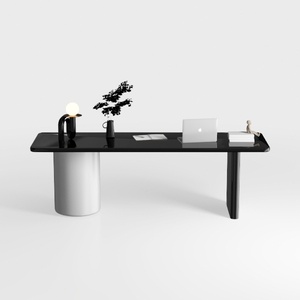
Modern Minimalist Black Glossy White Metal Office Desk 3D Model


Modern Solid Wood Black Top Adjustable Standing Desk 3D Model
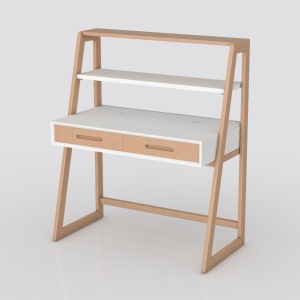
Minimalist Solid Wood Two Tone Writing Desk with Shelves 3D Model
Discover the joys of home design with Homestyler! This user-friendly platform features an intuitive online design tool, stunning 3D renderings, and a wealth of design projects and DIY video tutorials, making it easy to transform your creative ideas into reality. Start designing your dream space today!
Projete agora para LIVRE
































