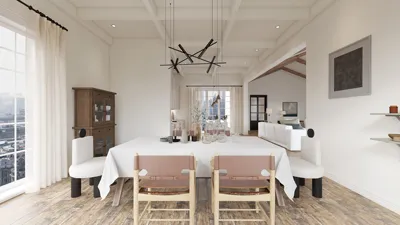


I have crafted numerous charming corners centered around a delightful theme: teddy bears. The allure is not merely a trip down memory lane; it originates from how plush textures, inviting shapes, and soothing color schemes can soften spaces, reducing visual stress. Both family homes and boutique hospitality ventures benefit greatly from teddy bear décor, which consistently enhances comfort and establishes a welcoming atmosphere perfect for relaxation.
The notion of comfort transcends mere aesthetics. WELL v2 outlines that environments encouraging mental restoration—incorporating biophilic elements, soft textiles, and calming hues—can significantly enhance sleep quality and emotional well-being. Research by Steelcase proves that spaces designed for refuge and psychological safety can alleviate perceived stress while improving the mood in both homes and workplaces. These concepts translate seamlessly into a teddy bear-themed room: warm lighting, tactile fabrics, and approachable motifs create a nurturing micro-environment. To explore more about how surroundings can support well-being, refer to WELL v2.
Creating Atmosphere with a Soft, Layered Color Scheme
I typically begin with a foundation of creamy whites, soft browns, and latte tones, then introduce blush, pale sage, or powder blue for a gentle touch of contrast. According to color psychology, soft neutrals play a significant role in reducing arousal and fostering a sense of safety. Reserve vivid colors for accents—such as a gingham pillow or a caramel throw—ensuring the overall visual experience remains serene and cohesive.
Warm Lighting That Enhances Plush Textures
The soft textures of teddy fabrics thrive under warm lighting. Aim for ambient lighting between 2700–3000K, maintaining illumination around 150–300 lux for general tasks, and reducing to approximately 50–100 lux for winding down. I prefer to use diffused sconces, shaded table lamps, and dimmable ceiling fixtures to minimize glare. IES guidelines promote layered lighting and sufficient glare control to prevent visual strain; in a teddy bear-themed room, this calls for soft light spreads and indirect illumination.
Textiles: Bouclé, Velvety, and Cozy Teddy Sherpa
Incorporate a variety of tactile fabrics generously. A bouclé armchair, a teddy sherpa throw, and velour cushions add richness and cozy weight to the space. Balance the fluffy textures with smoother weaves—such as percale sheets or linen duvets—to prevent the room from feeling too heavy visually. Whenever possible, select OEKO‑TEX certified fabrics and combine breathable natural fibers for better temperature regulation.
Furniture Featuring Gentle Curves and Safety-Friendly Edges
Soft curves and rounded profiles echo the friendly bear theme while enhancing safety, especially in children's spaces. I would recommend opting for a low-upholstered bed frame, a curved dresser, and a small reading bench. Ensure clear pathways around the bed and play area; a simple layout with 900–1000 mm walking paths allows for effortless movement. If you need to experiment with arrangements, using a room layout tool can help visualize furniture placements without uncertainty.
Whimsical Walls: Murals, Panels, and Artwork
An accent wall can narrate captivating stories. Consider designing a gentle woodland mural featuring soft trees and dusky stars or painted paneling in warm taupe. Aim for subtle bear motifs rather than oversized images; the cutest elements often exist in framed prints, embroidered canvases, or vintage posters. This approach sustains the room's timelessness as children grow up.
Showcasing Shelves: A Home for Bears
Create a designated shelf or picture ledge for plush bears, figurines, and storybooks. Utilize odd-numbered groupings (such as three or five) and vary heights for visual interest: combine a sitting plush, a small framed illustration, and a honey-hued candle for added warmth. Incorporate a petite rattan basket for seasonal decorative accents.
Bedding That Embraces Comfort
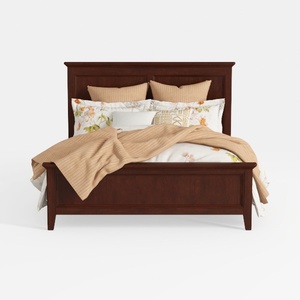
Select fluffy throws at the bed's foot, a quilt adorned with subtle bear stitching, and a cloud-like topper. Keep patterns minimal—like pinstripes or micro-gingham—so the plush textures maintain their prominence. Layering a breathable cotton blanket beneath a teddy throw helps prevent overheating.
Play Corners and Cozy Reading Nooks
Define a cushioned nook with a low bookcase, bean bag, or a small lounge chair, complemented by a fabric-shaded floor lamp. A lightweight canopy in muslin or gauze creates a cocooning effect without blocking light. Organize toys within woven baskets and labeled fabric containers; mixing fiber textures emphasizes the cozy aesthetic while encouraging tidiness.
Rugs: Enhancing Underfoot Comfort and Reducing Noise
A high-pile rug or wool-blend carpet absorbs sound while anchoring the room's design. In homes with multiple occupants, acoustic comfort is crucial—such textures along with the appropriate underlay minimize sound reverberation, ensuring a peaceful environment at bedtime. Opt for neutral solids or gentle micro-patterns to maintain visual harmony.
Accent Pieces: Warm Honey Tones, Wood, and Rattan
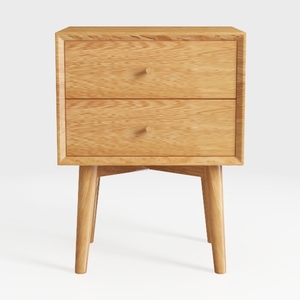
Honey and caramel finishes introduce warmth that complements teddy browns beautifully. I prefer matte wooden bedside tables, a kid-sized rattan peacock chair, and soft brass pulls that add a subtle sheen. Keep metals warm and low-gloss to minimize glare under soft lighting.
Charming Yet Practical Storage Solutions
Enclosed storage upholds visual tranquility. A padded-top toy trunk can double as a seat, while wall-mounted cabinets with rounded edges can keep clutter hidden away. Using picture labels for younger children aids in teaching them where their belongings belong.
Easily Refresh the Space Seasonally Without Repainting
Rotate decorative accessories—such as scarves on plush bears, winter knit garlands, and floral pillows during spring. A neutral base palette allows for simple updates that instantly renew the room's ambiance.
Safety, Maintenance, and Longevity
Choose washable slipcovers and removable pillowcases, and ensure tall furniture is anchored to the wall. Low-VOC finishes help maintain air quality. In nurseries, ensure all small decorative items are kept out of reach of young children.
Layout Suggestions for Compact Rooms
In limited spaces, float the bed slightly away from the wall to allow access on both sides, and utilize vertical storage solutions. Ensure a 600 mm clear pathway for bedside access, and make use of under-bed drawers. To visualize circulation and furniture fit prior to purchase, consider using an interior layout planner like a layout simulation tool, which can help fine-tune scale and flow.
Lighting Design: Layered and Adjustable
Establish three layers of lighting—ambient (ceiling fixture), task (reading lamp), and accent (sconces or LED strips behind shelves). Incorporate dimmers to smoothly transition from playtime to sleep time. The warm, low-glare lighting beautifully highlights plush textures, facilitating a gentle transition into bedtime routines.
Adding Personal Touches
Monogrammed blankets, a cherished photo with a favorite bear, or a handcrafted knit cap atop a plush toy can imbue the room with personality. It's essential to align the design with the child's or family's story—design truly flourishes when it feels intimate and tailored to its inhabitants.
Frequently Asked Questions
Q1: Which color schemes are ideal for a teddy bear-themed room?
A: A base of cream, fawn, and latte, complemented by accents in blush, pale sage, or powder blue. Keep brighter colors to a minimum for a more calming environment.
Q2: What is the optimal warmth for the lighting?
A: Aim for 2700–3000K for ambient lighting, using dimmable fixtures and shades to minimize glare. Maintain low lighting levels for bedtime to assist with relaxation.
Q3: Which textiles are best suited for this theme?
A: Opt for teddy sherpa, bouclé, velour, and soft knit fabrics layered with breathable cotton or linen. Prioritize washable covers for ease of maintenance.
Q4: How can I avoid a cluttered appearance with plush toys?
A: Curate small groupings on shelves, utilize closed storage for overflow items, and rotate displays seasonally to maintain visual freshness.
Q5: What layout tips apply to smaller spaces?
A: Ensure clear pathways around the bed (600–900 mm), take advantage of vertical storage, and test out arrangements using a digital room design tool to verify scale and flow.
Q6: What type of rug enhances comfort and sound absorption?
A: Select high-pile or wool-blend rugs combined with a quality underlay; they assist in noise reduction while adding warmth underfoot.
Q7: Should bear motifs be prominently displayed in large sizes?
A: It’s best to keep large motifs subtle (like murals or paneling), opting for more literal bear designs in art and plush accents for a durable, timeless aesthetic.
Q8: How can I ensure the room is safe for children?
A: Secure tall furniture, select pieces with rounded edges, ensure small decorative items are out of reach, and choose low-VOC finishes and washable materials.
Q9: Which finishes pair well with teddy brown hues?
A: Honey wood tones, rattan, and brushed brass or bronze provide warm, low-sheen highlights that complement the teddy bear theme.
Q10: Can this design theme be adapted for teenagers or guest rooms?
A: Absolutely—focus on textures, warm lighting, and subtle woodland references, while keeping plush accents minimal and the palette mature.


Homestyler is an outstanding online home design platform that empowers you to create stunning interiors effortlessly. With its user-friendly design tool, impressive 3D renderings, a wealth of design projects, and informative DIY video tutorials, you can transform your space into a dream home.
Design Now for FREE
































