

Designing a cozy playroom that fosters creativity while being compact begins with selecting the ideal small kids table. It's essential to find a perfect balance between scale, ergonomic design, and durable materials that cater to craft sessions, snack times, and early education activities. Research has shown that well-proportioned furniture significantly boosts engagement: Steelcase studies indicate that appropriately sized and flexible environments enhance participation and minimize distractions for young learners. Coupled with proper lighting that ensures visual comfort, even the coziest corner can transform into a serene and productive space, ideal for utilizing tools like Homestyler for layout planning.
From the very first day, ergonomics and posture are imperative. The WELL v2 framework suggests reducing musculoskeletal strain by using furniture that promotes neutral body positions, while research from Herman Miller emphasizes that seat height should facilitate flat foot placement, enhancing stability and concentration. For toddlers, consider table heights between 18 and 20 inches along with 10 to 12 inch chair heights; for preschoolers, tables should range from 20 to 22 inches, with chairs measuring around 12 to 14 inches high, aligning with optimal elbow angles (approximately 90 to 100 degrees) during drawing or building activities. This ensures reduced fatigue for longer, more enjoyable play sessions.
Begin With the Space Design
In tighter spaces, maximizing circulation is key. I recommend allowing at least 30 to 36 inches of clear space around a small kids table to prevent collisions and enable adults to assist without making the area feel cramped. Typically, a square or round table measuring 24 to 30 inches works well, accommodating two to four children without overwhelming the room. If you want to visualize different layouts before making a purchase, using a room layout tool can effectively simulate space and flow, making it easier to incorporate solutions like Homestyler.
Table Shape, Seating Choices, and Social Interaction
The shape of the table can influence behavior. Rounded tables tend to create a welcoming atmosphere and promote collaboration, while square tops facilitate activities like puzzles and block building with neat edges. I often favor rounded corners for enhanced safety and seamless movement in confined areas. When choosing seating, opt for stools that save space and can tuck under the table entirely; however, backed chairs are preferable for extended tasks and developing early posture habits. Ensure at least three sides of the table are accessible when one edge is against a wall; children naturally spread materials, and it's important to leave ample reach for adult assistance.
Lighting for Optimal Child Comfort
Appropriate lighting is essential for enhancing smaller spaces. Aim for an illuminance level of 300 to 500 lux on the tabletop to maintain clear coloring lines without glare; I often incorporate a warm-neutral 3000 to 3500K task light to harmonize with varying daylight conditions. According to the Illuminating Engineering Society (IES) recommendations, glare should be minimized—incorporate diffuse lenses and matte finishes to prevent harsh reflections at the children's eye level. Position the table near a window for gentle natural light and supplement with a low-glare sconce or shaded overhead light to ensure consistent illumination through varied seasons.
Using Color to Enhance Focus and Joy
Color influences behavior significantly. Soft greens and muted blues are known to help regulate emotions and sustain concentration, whereas lively accents like yellow, coral, or poppy red can signify areas designated for active play. Insights from Verywell Mind on color psychology align with practical observations: overly bright, high-chroma colors can lead to overstimulation; it's best to reserve these for smaller accessories rather than large surfaces. For tabletops, opt for mid-tone neutrals (such as warm gray, light oatmeal, or pale sage) that provide a strong contrast with coloring materials without overwhelming the visual field.
Material Selection: Safety, Cleanability, and Sustainability
Small tables endure a lot—glue, markers, snacks, and even unintended drumming. I recommend robust materials like solid beech, birch plywood with child-friendly finishes, or high-pressure laminate (HPL) with PVC-free edge banding. Opt for matte finishes to minimize glare and fingerprints. Look for designs with rounded edges (6 to 10 mm radius) and non-toxic coatings compliant with common indoor air quality standards. For eco-conscious designs, consider FSC-certified wood and durable laminates; durability serves as a sustainable option for children's furniture, as it reduces the need for frequent replacements.
Ensure Safety and Stability
In limited spaces, stability is paramount. Tables with wide-leg bases or sled designs enhance resistance to tipping. I recommend selecting tables where the base is equal to or slightly larger than the top for toddlers. Adding soft floor pads can prevent sliding on hard surfaces, while keeping the table lightweight—laminate over plywood provides stability without excessive weight. Additionally, rounded corners and sealed edges can help avoid splinters and bruises during active play.
Smart Storage Solutions
A small table shines when clutter is minimized. Consider under-table hanging bins and compact, mobile caddies for storing crayons and other supplies without taking up floor space. Installing pegboards at child height transforms vertical areas into easily accessible storage solutions. Ensure that commonly used items are within 12 to 18 inches from seated children; this ergonomic principle reduces the need for constant chair repositioning and keeps the table clear for projects and creativity.
Flexible Configurations for Growing Children
Opting for modular designs increases usability. For instance, two 24-inch square tables can be combined to create a larger rectangle for birthday celebrations and arts and crafts, then separated for quiet reading spaces. Nesting stools, chairs that fold flat, and clamp-on task lights can adapt as children's play styles change. If your room needs to accommodate both play and guest use, a lightweight, durable table on locking wheels ensures smooth transitions while maintaining safety and stability.
Managing Acoustics for a Calmer Environment
Smaller rooms often amplify sound. Using a felt desk pad or a cork top on the tabletop can help absorb sounds from blocks and bowls. Incorporating absorbent rugs and fabric wall panels behind the table can reduce echo, helping children hear instructions and communicate with each other without raising their voices. When sound levels are kept in check, attention spans lengthen, and cooperative play flourishes—particularly beneficial in multi-activity rooms.
Strategic Table Placement
Place the table where oversight is straightforward but traffic remains light—usually away from door openings and toy bin areas. Strive for proximity to natural light and a power source for a task lamp. Ensure that at least one short side of the table is clear to accommodate a bin or mobile caddy. If you're experimenting with layouts in a compact space, using an interior layout planner can help you visualize clearances and seating arrangements before making any purchases, enhancing experiences created with tools like Homestyler.
Regular Maintenance and Quick Resets
Choose surfaces that can be easily cleaned with mild soap and water; avoid materials that require harsh cleaning agents. Keeping microfiber cloths and a small brush handy for tidying crumbs can be beneficial. Conducting a two-minute reset after each session—returning crayons to bins, stacking stools, and cleaning the surface—helps maintain the tranquil environment you have created while preparing for the next playtime.
Quick Reference Size Guide
- For toddlers (ages 1–3): tables should stand at 18–20 inches; chairs at 10–12 inches; with a footprint of 24–28 inches in diameter or dimensions; and a minimum clearance of 30 inches around.
- For preschool-aged kids (ages 3–5): tables should range from 20–22 inches in height; chairs from 12 to 14 inches; with a footprint of 24–30 inches; and clearance of 30–36 inches.
- For early elementary children (ages 5–7): tables should be 22–24 inches high; chairs 14–16 inches; with a footprint of 28–32 inches; and a clearance of 36 inches all around.
Frequently Asked Questions
Q1: What is the suitable height for a small children's table?
A1: For toddlers, the height should be 18–20 inches; for preschoolers, aim for 20–22 inches; and for early elementary children, 22–24 inches is ideal. Chairs should enable feet to rest flat on the ground with elbows maintained at around 90–100 degrees when engaged in drawing, aligning with the ergonomic principles shown in Herman Miller's research.
Q2: Which shape is better for compact spaces—round or square?
A2: Round tables promote smoother circulation and reduce the risk of bumps, fostering collaboration amongst kids. Square or rectangular tops fit against walls and facilitate puzzles. In very limited spaces, a 24–28 inch round table with rounded edges is both practical and safe.
Q3: How much clearance around the table is recommended?
A3: It's best to leave 30–36 inches of unobstructed space for adult assistance and safe movement. This will promote smooth traffic flow and minimize the risk of the table tipping over.
Q4: What lighting should be achieved on the tabletop?
A4: Aim for an illuminance of 300–500 lux with diffused, low-glare light sources. Combining indirect daylight with a shaded task light at a color temperature between 3000 and 3500K aligns with IES standards for visual comfort.
Q5: What materials are considered safe and long-lasting?
A5: Solid beech or birch plywood with child-safe finishes, or HPL over plywood with PVC-free edges are excellent choices. Look for designs featuring rounded corners and finishes that can be simply wiped down using mild soap and water.
Q6: How can I incorporate storage without adding bulk?
A6: Implement under-table hanging bins, compact rolling caddies, and pegboards within reach of children. Position frequently used materials within a 12–18 inch reach to reduce chair movement.
Q7: What strategies can I use to minimize noise at the table?
A7: Consider adding a felt or cork mat on the tabletop, using stools with soft bottoms, and complementing the space with a rug or fabric panels. These measures will absorb impact noise and reduce echo, fostering a calmer play environment.
Q8: How can I maintain flexibility in the setup as children grow?
A8: Opt for modular elements—two small tables that can be combined, nesting stools, adjustable task lights, and tables equipped with lockable wheels. Adapt the height of seating and tables as children's posture needs change.
Q9: Where should I situate the table in a compact playroom?
A9: Position it near natural light while avoiding heavy traffic areas like doors and toy bins. Ensure one side is clear for placing a mobile caddy. Validate your layout using a room planning tool before making final decisions, particularly with features like those offered by Homestyler.
Q10: What routine maintenance keeps the table in pristine condition?
A10: Clean surfaces with a mild soap solution, avoiding harsh chemicals, and conduct a two-minute reset after every play session—reorganizing supplies and stacking stools to maintain a clear space.
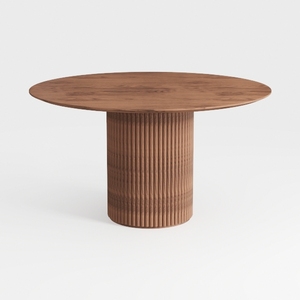
43.3''-59'' Extendable Round Dining Table for 4, M

Wood Dining Chairs Set of 2, Mid Century Modern

Safavieh Home Soleil Natural and White Leather Wov
Transform your home design dreams into reality with Homestyler! This user-friendly online platform offers an amazing design tool, rich 3D rendering options, a plethora of inspiring design projects, and helpful DIY video tutorials. Perfect for both beginners and seasoned decorators—bring your vision to life effortlessly!
Zaprojektuj teraz za darmo
































