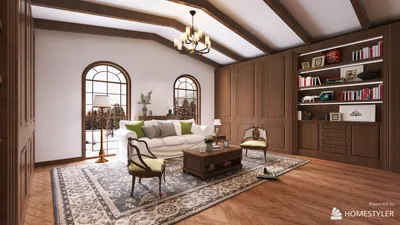


Designing a 3D model of a composite volcano can be both a thrilling and informative endeavor, whether you are an educator, a student, or just someone with a keen interest in geology. Composite volcanoes, also referred to as stratovolcanoes, are known for their towering heights and occasional explosive activity, making them captivating subjects for modeling projects. To begin, gather reference images and geological information on notable examples of composite volcanoes such as Mount St. Helens or Mount Fuji. Select your chosen materials for the model; options like clay, papier-mâché, or digital instruments for creating virtual 3D designs are popular. Start out by sculpting the main cone, paying careful attention to its height and symmetry, then layer additional materials to reflect the historical deposits of lava and ash. Enhance the realism by including detailed crater features, secondary cones, and varied textures. As a designer, I highly recommend focusing on the presentation. Using digital interior design software like Homestyler can help you visualize how your 3D volcano will look in an educational setting or a museum exhibit. If you're interested in integrating technology, utilizing applications for 3D rendering can significantly improve your project by providing accurate lighting, lifelike textures, and virtual positioning in any space.
Tips 1:
When constructing your volcano model, it’s crucial to consider scale and transportability, particularly if you intend to use it in a classroom. Opting for modular or lightweight designs can streamline transport and setup. Moreover, employing digital 3D modeling software allows for experimentation with various structures and materials prior to physical construction—tools such as Homestyler are ideal for this purpose.
FAQ
Q: What are the best materials for crafting a physical 3D volcano model?
A: Typical materials include clay, papier-mâché, foam, and cardboard. To achieve a realistic finish, consider using acrylic paints and sand for added texture.
Q: Is it possible to create a composite volcano model using digital tools?
A: Absolutely! Design applications and platforms enable intricate 3D modeling, giving you the ability to modify scale, texture, and color before printing or visualizing your project.
Q: How can I make sure my model is geologically accurate?
A: Reference images, scientific diagrams, and reliable educational resources on composite volcanoes will help guide your design. Concentrate on key features such as symmetry, layers, and crater details.
Q: What educational benefits does a 3D volcano model provide?
A: It offers an interactive learning opportunity regarding earth science, geology, and natural hazards, boosting engagement in both classroom and museum environments.
Q: How can I effectively display my finished volcano model?
A: Highlight essential features with strategic lighting and spatial arrangement. Placing it within a themed room or an educational display area maximizes visual impact and audience engagement.

CosmoLiving by Cosmopolitan Camila Writing Desk, W

Convenience Concepts Newport Deluxe 2 Drawer Desk
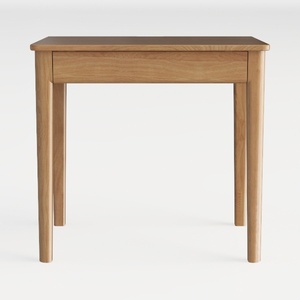

Hymus 100% Solid Oak Wood Desk - Small Writing Des
Homestyler is your go-to platform for hassle-free home design. With an easy-to-use online design tool, stunning 3D renderings, and a wealth of DIY video tutorials, you can transform your space effortlessly. Explore design projects that inspire creativity, whether you're a beginner or an expert!
Design Now for FREE
































