

The moment a guest enters a hotel room, a sense of comfort should envelop them. I focus on creating environments that promote tranquility, warmth, and ease within just a few seconds—utilizing lighting that is flattering, beds designed for restorative sleep, and layouts that make navigation intuitive. Whether they realize it or not, guests pay attention to the finer details, and those aspects combine to create a memorable experience that they are likely to share with others, especially when utilizing tools like Homestyler to visualize designs.
At the heart of any relaxing stay lies sleep quality. Studies consistently demonstrate the substantial impact that our physical surroundings have on rest. The WELL Building Standard v2 underscores the significance of maintaining low nighttime light levels, suitable color temperatures, acoustic management, and circadian-friendly lighting to enhance restfulness and alertness. Research by Herman Miller also reveals that environments designed for physical comfort correlate with higher satisfaction levels—insights that are highly relevant to the hospitality sector, where rejuvenation is a central focus. For additional guidance on light and circadian rhythms, refer to the WELL v2 standards at wellcertified.com, and for performance benchmarks, visit ies.org.
When designing hotel rooms, my planning is guided by three key aspects: sensory comfort (light, sound, touch), intuitive ergonomics (accessibility, sightlines, movement), and emotional tone (color, materials, variety). Research from Steelcase has shown a direct link between perceived comfort and decreased cognitive load; in guest accommodations, this translates to designs that minimize micro-decisions—ensuring unobstructed pathways, clear layouts, and straightforward controls. In instances where layouts become complex—due to unusual room shapes, varying bed types, or integrated seating—I often utilize a room layout tool like Homestyler to test different configurations and optimize circulation before finalizing furniture selections.
Effortless Room Layout Design
My design process starts by outlining the guest's journey: the entryway’s drop zone, wardrobe access, luggage placement, bed proximity, cozy seating areas, desk arrangements, and bathroom access. It's important to maintain a 36-inch (915 mm) clear path from the entry to the bed and bathroom to minimize tripping hazards during the night. Ensure that there is at least a 30-inch (760 mm) space from the foot of the bed to any adjacent furniture for comfortable passage. Nightstands should be positioned 24–28 inches high in relation to the standard mattress height so that guests can easily access their lamps and a glass of water. If space is limited or rooms are irregularly shaped, I simulate the flow of movement using an interior layout planner to confirm proper spacing and clearances, often leveraging platforms like Homestyler for better visualization.
Lighting That Soothes and Performs
Layered lighting is essential for creating the right atmosphere. Aim for ambient light levels of 150–200 lux for overall comfort, utilize task lighting of 300–500 lux at workspaces, and opt for soft, low-glare bedside illumination with warm tones (2700–3000K) to promote relaxation. Ceiling fixtures should either be shielded or diffused to prevent glare when guests are reclining. Additionally, install night-lights that provide under-10 lux illumination along the toe-kick or beneath the vanity for safe navigation late at night without disrupting melatonin production. Incorporating dim-to-warm options can help transition the space from check-in to evening unwinding, aligning lighting with circadian rhythms as recommended by WELL v2.
Acoustic Comfort: Emphasizing Silence
Guests are far more forgiving of modest-sized rooms than they are of excessive noise. Ideally, aim for an STC rating of 55 or higher for partitions between guest rooms, and use solid-core doors equipped with perimeter seals to mitigate corridor sounds. Employ upholstered headboards, soft window treatments, and dense underlayment under carpets or luxury vinyl tile to reduce foot traffic noise. Additionally, in-wall fans should be specified to operate below 30–35 dBA at their lowest setting. Offering a white noise feature or softly ramping up HVAC systems can help minimize sudden disturbances during the night.
The Bed: A Visible and Tangible Comfort
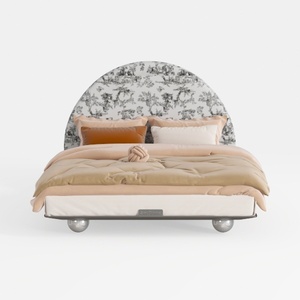
I recommend medium-firm mattresses featuring a plush top to cater to a wide range of sleep preferences, complemented by two different pillow densities on each side. Incorporate a breathable, hypoallergenic topper and high thread-count percale sheets (300-400) for a crisp feel, alongside a lightweight quilt layered with a heavier throw for seasonal adaptability. If the headboard includes integrated sconces, position the switches at 18-22 inches above the mattress surface and provide a separate reading light with a 30–40° cutoff to eliminate glare for sleeping partners.
The Psychology of Color and Its Effect on Mood
Colors influence behavior more than many people realize. Shades of blue and green are often associated with calmness and rejuvenation, whereas soft neutral tones create a sense of visual tranquility. According to Verywell Mind’s analysis of color psychology, blue usually evokes feelings of calm and trust, while green is linked to balance and renewal. In guest rooms, I incorporate warm undertones (such as muted sage, sand, and clay) to soften evening lighting, complemented by bolder accents through artwork or textiles to maintain a timeless yet lively palette. It is advisable to use matte paint finishes to minimize glare and foster a warm, inviting atmosphere.
Tactile Elements and Materiality
Comfort is closely tied to tactile experience. I prioritize natural textures—like linen draperies, wool-blend rugs, and oak surfaces with a soft touch finish—to create inviting physical sensations and a visually warm environment. These materials are paired with durable, easy-to-clean surfaces such as high-performance upholstery, stain-resistant area rugs, and non-porous bathroom materials. Striking a balance between hard and soft surfaces helps control acoustics and cleaning ease, while avoiding overly glossy laminates in favor of low-sheen finishes that look richer under ambient light.
User-Friendly Features and Intuitive Controls
Exceptional hospitality focuses on minimizing friction in the guest experience. Position a luggage bench within 24-30 inches of the closet for added convenience, center the television within a 30° viewing angle from the bed, and ensure that for 50-55 inch screens, the ideal viewing distance is between 7-9 feet to lessen eye strain. Provide universal outlets and USB-C ports on both nightstands and at the desk, ideally set 4-6 inches from the edge to prevent large plugs from conflicting with furniture. A clearly labeled master switch by the door and bedside controls can eliminate the traditional confusion of “which switch does what.”
Creating Cozy Nooks and Specialized Spaces
Even in more compact rooms, including a single lounge chair with a small side table and a task lamp transforms the atmosphere from solely a sleeping area to a more livable space. Orient the chair to face a window or a focal piece of artwork to firmly establish the nook. If a desk is present, it should have a minimum depth of 30 inches and feature an ergonomic chair with lumbar support, ensuring 36 inches of clearance behind for easy movement without obstruction.
Controlling Daylight and Window Treatments
Incorporate layers of blackout drapery paired with sheer fabric. Ensure blackout curtains return to the wall or cornice to effectively block light gaps—aim for at least 6 inches of overlap beyond the window frame on both sides. Sheers can soften incoming daylight while safeguarding privacy without compromising glare on screens. Specify hardware that operates smoothly and silently; nothing disrupts a serene morning like a squeaky track.
Regulating Temperature and Air Quality
Aim for a sleeping temperature of 68–72°F (20–22°C), allowing user control within safe limits. Avoid directing vent airflow toward the bed to prevent drafts across the neck and shoulders. Implement low-VOC finishes and effective filtration to maintain fresh indoor air quality; any scenting program should be subtle and devoid of allergenic materials.
Creating a Comfortable and Functional Bathroom
A cozy experience extends into the bathroom with anti-slip flooring that feels warm underfoot, towel hooks conveniently placed near the shower exit, and a ledge or niche positioned at 48–54 inches high for easy access. Side-light the mirror at 300–500 lux to minimize harsh shadows and include a dimmer for nighttime use. Implement a quiet and effective exhaust system to manage humidity levels without generating excessive noise.
Minimizing Visual Clutter with Thoughtful Storage
It's essential to provide guests with adequate storage: an entry shelf for keys, an open cubby for shoes, concealed cable management at the desk, and a drawer for miscellaneous items to keep surfaces organized and visually calm. Open storage units can feel more inviting if paired with a simple valance or textured backing; however, avoid excessive exposure that might come across as messy.
Thoughtful Finishing Touches That Show Care
Add a layer of comfort with a substantial throw blanket, a carafe with glasses on a tray, a small plant or branch for an element of nature, and art that reflects the local culture without resorting to clichés. Soft, dimmed lighting gently reflected off textured walls creates a tranquil ambiance guests will remember—and likely capture in photographs.
Frequently Asked Questions
Q1: What is the optimal color temperature for a comfortable hotel room?
A: For evening and bedside lighting, use warm light in the range of 2700–3000K. Task areas should maintain a neutral-warm light at 3000–3500K to preserve clarity while avoiding a clinical feel.
Q2: What brightness level should guestroom lighting achieve?
A: Ambient lighting should be maintained around 150–200 lux for a calming effect, while desk and vanity task lighting should be 300–500 lux. A sub-10 lux night-light is important for safe nighttime navigation.
Q3: What mattress and pillow arrangement is most suitable for a variety of guests?
A: A medium-firm mattress topped with plush cushioning and two different pillow densities on each side (one medium and one soft) provides accommodation for a range of sleeping preferences without frequent requests for adjustments.
Q4: How can you effectively reduce noise between guest rooms?
A: Enhance partition performance to reach around STC 55+, utilize solid-core doors equipped with seals, add dense underlayments, and employ soft finishes like upholstered headboards and lined drapery.
Q5: What layout strategies are effective for compact rooms?
A: Maintain a 36-inch circulation path, ensure at least 30 inches at the foot of the bed, consider wall-mounted nightstands to maximize floor space, and validate room configurations with an interior layout planner like Homestyler.
Q6: Which materials can provide comfort while remaining easy to clean?
A: Opt for wool-blend rugs, high-performance upholstery with soft textures, matte or low-sheen wood laminates, and non-porous bathroom surfaces. Avoid high-gloss finishes as they show smudges and increase glare.
Q7: How can lighting be made more intuitive for guests?
A: A master switch by the door and bedside, logical designation of switches for different zones (bed, desk, ambient lighting), and clearly labeled controls can assist guests. Dim-to-warm functionality can help them unwind smoothly.
Q8: What ergonomic features enhance guest comfort the most?
A: Nightstands aligned with the mattress top, accessible outlets and USB-C on both sides of the bed, a TV positioned within a 30° viewing angle, and a desk that allows 30 inches depth accompanied by an adjustable chair are crucial for comfort.
Q9: How should window treatments be designed to ensure darkness?
A: Combine blackout drapes with sheers, ensuring a minimum of 6 inches overlap beyond the frame, and select track or cornice styles that prevent light leakage. The chosen hardware should smoothly operate without noise.
Q10: How important are scent and air quality in a hotel environment?
A: Ensure finishes are low-VOC and that effective filtration systems are in place. If incorporating scent, do so subtly and keep it hypoallergenic; fresh, neutral air quality is preferred by most guests.
Q11: What guidelines apply to flattering vanity lighting?
A: Side-lighted mirrors should be illuminated at 300–500 lux with proper color rendering to minimize shadows and create a natural appearance for guests during grooming.
Q12: How can one convey a sense of local culture without creating clutter?
A: Select one or two thoughtfully chosen pieces of art, consider locally crafted textiles, or integrate materials that reflect regional characteristics, all while keeping surfaces clean and avoiding overly themed decorations.



Homestyler is your go-to online home design platform! Its user-friendly design tool lets you create stunning spaces, while powerful 3D rendering brings your ideas to life. With a wealth of design projects and helpful video tutorials, transforming your home has never been easier or more inspiring!
Design jetzt kostenlos
































