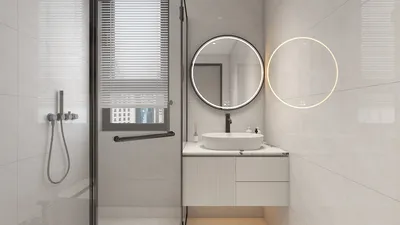


Creating a home spa experience should be a seamless endeavor where light, sound, scent, and touch collaborate harmoniously to help you relax. I envision it as a condensed retreat where I orchestrate a series of calming rituals, fine-tune the ambience, and establish a rhythm that encourages stress to fade away. When executed properly, you can rejuvenate your energy in less than an hour.
Understanding the importance of evidence is crucial. WELL v2 emphasizes the significance of controllable lighting, acoustic comfort, and temperature regulation as essential for recovery, guided by its concepts of Light, Sound, and Thermal Comfort to promote healthier living spaces. In alignment, IES suggests an illuminance level of around 100–300 lux for a comforting ambient atmosphere, which complements the softer lighting conducive to a spa setting. I typically aim for approximately 200 lux with a warm dimming feature to facilitate restful states.
Design characteristics greatly influence behavior. Research conducted by Steelcase indicates that straightforward, repeatable rituals can decrease cognitive load and enhance the sensation of revitalization during breaks. Thus, for a DIY spa experience, structuring a short sequence of preparation, warming, soaking, and restoring allows your mind to ease into relaxation without the burden of excessive decision-making.
Creating the Right Atmosphere: Light, Color, and Scent
I begin by adjusting the color temperature to between 2700K and 3000K while dimming the lights to about 30–40% output. Implement a layered lighting approach—using one floor lamp, a candle, and soft, indirect lighting on walls to reduce glare. It’s important to maintain gentle contrasts; avoid bright downlights above your bath or seating area. For colors, opt for soft neutral shades accented with muted greens or earthy clay tones that create a calming backdrop—consistent with color psychology linking greens to tranquility and equilibrium.
Keep scents uncomplicated and pleasant. Select one primary fragrance—like lavender for relaxation, eucalyptus for mental clarity, or neroli for an uplifting atmosphere. Diffuse it lightly for 10–15 minutes prior to starting your routine, then turn it off; overwhelming aromas can tire your senses. If unscented is preferred, focus on sensory experiences like warm towels and textured mats to offer comfort without fragrances.
Crafting a Four-Step Ritual
I follow a four-step routine that minimizes decision-making and enhances relaxation.
Start with clearing surfaces, creating a 45–60 minute playlist, filling a carafe with water, and laying out towels. Preheat the room to a comfortable 22–24°C if you plan to spend extended periods unclothed.
Apply a warm compress to your neck and shoulders for five minutes. Engage in three slow breathing cycles—four seconds in, six seconds out. The gentle heat relaxes muscle tension and prepares your body for soaking.
Prepare a bath at 37–38°C; avoid hotter temperatures and limit your soak to 10–15 minutes to prevent fatigue. If a tub isn’t available, a hot shower combined with a steam tent—by draping a towel over a pot of hot water with a touch of eucalyptus at a safe distance—can be equally effective. Maintain warm, low lighting and steer clear of bright screens.
End with a cool rinse for 20–30 seconds to invigorate circulation, followed by moisturizing. Finish with a brief rest in a lying position—knees bent, a small pillow under your head, practicing box breathing for five minutes. This quiet conclusion helps transform heat and moisture into recovery.
Sound and Silence: Acoustic Comfort
Hard surfaces tend to amplify sounds like splashes and HVAC noise. To combat this, place a cotton rug down, use towels on counters, and shut doors to lessen echoes. Keep music at a volume of around 45–55 dBA and select tracks devoid of sharp transitions; smooth ambient or soft instrumental music complements the serene atmosphere. If outside noise from neighbors is a concern, employing a small white-noise machine outside the bathroom can create a sound shield without intrusion.
Tactical Materials: Texture, Warmth, and Sustainability
Texture is the unsung hero of the spa experience. Incorporate a waffle towel for exfoliation, a plush towel for drying, and a natural bath mat beneath your feet to engage multiple senses. Opt for materials that are both pleasant to the touch and high-performing—think organic cotton, linen, or sustainably sourced bamboo. When upgrading fixtures, prioritize low-VOC finishes and water-efficient installations; this minimizes off-gassing and keeps utility expenses down.
Flowing Layouts for Ease
Organize your spaces in a logical sequence: a prep area near the sink, a warming station adjacent to an outlet for the compress or kettle, a soaking zone (either tub or shower), and a serene corner for relaxation post-soak. Maintain clear pathways and place a small stool next to the tub for towels and skincare to avoid interrupting the relaxation flow. If you are considering refreshing a guest bathroom, experimenting with a room layout tool such as Homestyler can help you visualize traffic patterns and storage placements before making any purchases.
Lighting Ratios and Glare Mitigation
Effective spa lighting hinges on achieving slightly greater vertical illumination (on walls) than horizontal illumination (on countertops). This not only softens reflections on faces but also enhances the visual appeal of steam while mitigating mirror glare. Utilize diffusers on uncovered bulbs and ensure your lighting sources are positioned away from mirrors. If you have only one ceiling fixture, complement it with a low-output lamp placed strategically behind furniture to achieve a balanced visual environment.
Water, Heat, and Safety Considerations
Always check water temperature using the inside of your wrist—as your hands acclimate quickly and might misjudge heat. Ensuring dry floors is essential: place a mat at the tub’s edge, dry any splashes, and keep cords clear of water areas. If using oils, introduce them only after soaking to prevent slipping accidents.
Introducing Natural Elements: Plants and Daylight
Incorporating a single leafy plant—such as a fern, pothos, or peace lily—can enrich humidity levels and add visual softness to the space. When there's natural light available, filter it with sheer curtains; this evens out contrasts and promotes circadian comfort while maintaining your privacy. Avoid exposure to strong blue light in the evening; instead, keep it muted or use warm artificial lighting.
Hydration and Skincare Routine
Staying hydrated should be part of your ritual—make sure to drink water before and after your soak. Keep your skincare regimen streamlined: cleanse your face, gently exfoliate no more than once a week, and apply moisturizer while your skin is still damp. If your bath includes salts, do a light rinse afterward to eliminate any residue before applying lotions.
Designing for Varying Moods
For relaxation: opt for warm lighting, slow-paced music, and soothing scents like lavender or chamomile, coupled with a longer soak. For clarity: use brighter yet still warm lighting (~3000K), incorporate eucalyptus, and engage in brief steam before a cool rinse. For relief: apply targeted heat to your shoulders, enjoy a magnesium bath soak, and relax in a dimmer, quieter environment to lessen sensory input.
Time-Constrained Retreats
On days when time is limited, I recommend a quick 25-minute express spa: 3 minutes for prep, 5 minutes with a warm compress, 10 minutes for a shower-steam session, 3 minutes for a cool rinse, and 4 minutes to rest. Keeping choices to a minimum allows the rhythm to carry you through the routine.
Expert Guidance and Further Reading
For insights into wellness standards concerning light, sound, and thermal comfort, check out WELL v2’s performance framework at wellcertified.com. Further details on lighting recommendations and glare control can be found through the Illuminating Engineering Society at ies.org/standards. These references align with the principles employed in creating a restorative home spa atmosphere.
Frequently Asked Questions
For optimal relaxation, aim for approximately 200 lux of ambient light with a warm color temperature ranging from 2700K to 3000K. This level is gentle enough to soothe your visual senses while ensuring safety and awareness, consistent with IES recommendations for cozy environments.
Incorporate soft materials such as rugs, towels, and fabric curtains, and close doors to diminish sound reflections. Keep music set to volumes around 45–55 dBA and choose smooth, non-percussive tracks to prevent startling reactions.
Warm baths set around 37–38°C can aid muscle relaxation without overly increasing your heart rate. Excessively hot baths may lead to fatigue; consider pairing warm soaking with a quick cool rinse to invigorate circulation.
Consider a shower-steam approach: run a warm shower, produce gentle steam with hot water close by, and conclude with a cool rinse. Adding a stool and a plush mat can enhance the comfort of this ritual.
Prioritize indirect lighting and use diffusers, positioning light sources away from mirrors, while balancing vertical illumination on walls with lower levels of horizontal light on countertops.
Select a single fragrance, such as lavender, eucalyptus, or neroli. Lightly diffuse for 10–15 minutes prior to beginning your experience, then switch it off to avoid overwhelming your senses.
Organic cotton, linen, and responsibly sourced bamboo offer a delightful tactile experience while having a minimal environmental impact. When upgrading fixtures, seek out low-VOC finishes for optimal results.
Indeed, a structured 20–30 minute sequence can effectively reduce decision-making and enhance recovery. Studies indicate that consistent routines lower cognitive load, making short sessions rejuvenating.
A single leafy plant can contribute humidity and visual appeal. Filter daylight with sheer curtains to enhance privacy and support circadian rhythm—especially during evening spa sessions.
For oils, apply them post-soak and lightly rinse skin; applying oils beforehand can create slippery surfaces. Ensure mats are dry and cords are kept away from wet areas.
Homestyler is your go-to online home design platform, perfect for transforming your space. With an easy-to-use design tool, stunning 3D renderings, inspiring design projects, and helpful video tutorials, you'll effortlessly create your dream home, no matter your experience level!
Diseño ahora GRATIS
































