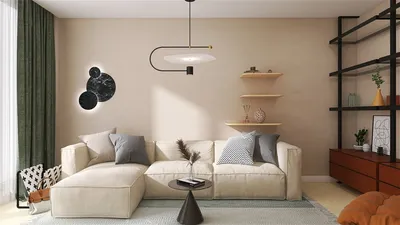


Cream curtains elegantly enhance a living room, allowing soft daylight to filter through, warming cool surfaces, and creating a sense of height. In my design projects, cream shades consistently complement both contemporary and classic aesthetics, avoiding a flat appearance. The secret lies in the choice of fabric weight, color temperature, and proportions. According to WELL v2 guidelines, effective daylight management contributes to visual comfort and circadian wellness by reducing glare and maintaining a balanced brightness contrast. I achieve this by combining cream drapes with layered sheer fabrics or meticulously lined panels, ensuring optimal luminosity. Research by Gensler also emphasizes the importance of natural light access in increasing satisfaction and performance; while the needs of residential spaces can differ, the key takeaway is to manage daylight intelligently rather than obstructing it entirely, a philosophy I integrate into the design with tools like Homestyler.
Light acts as a vital co-designer in any space. Guidelines from the Illuminating Engineering Society recommend aiming for an illuminance level of 100–300 lux in living areas, with additional task lighting as necessary. When choosing curtains, I prefer cream options that mitigate solar gain and brightness in seating areas, avoiding a dim atmosphere. In rooms with north-facing windows, a warmer cream (about 2800–3200K perception when paired with warm-white lamps) counteracts cooler daylight, while a neutral cream keeps whites intact in south-facing spaces. For clients concerned about glare on screens, I often incorporate linings or a double-track system to maintain comfortable brightness levels during peak daylight hours.
The psychology of color supports these choices: research summarized by Verywell Mind suggests that neutral shades, such as off-whites and creams, evoke a calming, clean, and expansive feel when combined with textured elements. I prioritize cream to establish visual tranquility, supplementing with tactile materials like slub linen, matte cotton sateen, or subtle basket weaves to create depth without appearing unfinished. If you're planning the arrangement of furniture and windows, using a room layout tool can help you visualize curtain stack-back and clearance before installation, enhancing the effectiveness of your design that may include tools like Homestyler.
Choosing the Right Shade of Cream
Cream encompasses a diverse range—from warm ivory with hints of yellow to nearly greige with a whisper of gray. My approach starts with testing three color temperatures: warm (ivory, ecru), neutral (almond, parchment), and cool-neutral (oat, stone cream). I place swatches vertically throughout the day; morning north light can cool shades while west afternoon light can impart warmth. Pair these swatches alongside your wall colors and key fabrics (like sofa materials and flooring) to prevent clashing undertones. For bright white walls, select a slightly creamier tone to steer clear of a dingy appearance, while matching undertones on beige or greige walls ensures the curtains harmonize rather than clash.
Fabric Matters: Drape, Texture, and Maintenance
The choice of fabric influences both appearance and functionality. For a relaxed but polished look, I recommend medium-weight linen blends (linen-cotton, linen-viscose) as they provide an ideal balance between structure and fluidity. Pure linen boasts beautiful texture but should ideally be lined to protect against UV fading. Cotton sateen or twill lends a smooth, slightly more formal touch, pressing neatly and hanging perfectly. Performance blends of poly and linen resist wrinkling, making them suitable for households with children or pets. If acoustic comfort is essential—large windows and hard surfaces can amplify sound consider double-layered panels with interlining to gently absorb mid-to-high frequencies, enhancing the living space where conversation and media converge.
Lining and Light Control
Lining serves as your control for light. I typically recommend three types: unlined for maximum natural light and softness (ideal for private, shaded locations), standard cotton lining for reducing glare and safeguarding fabric, and blackout for media rooms or areas facing busy streets. In multifunctional living spaces, I often opt for a dual-track system: a sheer in warm cream for daytime privacy paired with a lined panel for evening depth. This layered strategy not only protects upholstery from UV rays but also keeps the atmosphere bright and airy.
Hardware, Heading Styles, and Proportion
When creating designs featuring cream curtains, I lean towards refined, low-sheen hardware such as brushed nickel, warm brass, or blackened steel, ensuring they resonate with the other metallic elements in the room. The heading style should match the space's vibe: pinch pleats for tailored elegance; Euro pleats for a pristine top; grommets for contemporary ease; and ripple folds for a sophisticated, hotel-like finish that glides smoothly on tracks. Extend rods 8 to 12 inches beyond each side of the window so that the panels clear the glass when fully opened. For low ceilings, mount the rods 4 to 8 inches above the window frame or aim to reach the ceiling height to create the illusion of a taller space.
Length and Fullness: The Shape of Elegance
The length of your curtains can change the overall ambiance. A hover (¼–½ inch off the floor) feels crisp and modern; a break (½–1 inch on the floor) has a tailored yet soft touch; while a puddle (2–6 inches) introduces a romantic flair, best suited for formal textures. For fullness, I seldom go below a 2.0x fabric width; aiming for 2.2 to 2.5x creates plush volume that keeps cream from appearing flat. In the presence of baseboard heating or floor vents, a hover-length and lighter lining can help maintain airflow in the space.
Color Pairings That Elevate Cream
Cream serves as a versatile connector in design. To warm gray-heavy palettes, pair cream curtains with walnut, bronze, and camel leather. In coastal-themed spaces, allow cream to coexist with soft blues and driftwood colors. For a contemporary minimalistic approach, combine cream with black accents and pale oak, maintaining a graphic but not stark contrast. If your walls are white, incorporate texture—like bouclé pillows, woven throws, or ceramic lamps—to avoid a sterile feeling in the room. For splashes of color, consider terracotta, muted green, or dusty plum that beautifully complement cream without overshadowing it.
Pattern, Banding, and Borders
If you're seeking subtlety without overwhelming patterns, consider adding a 2–4 inch leading-edge band in a deeper neutral tone (like mushroom, bronze, or charcoal) to frame the panels and coordinate with the hardware. Subtle vertical pinstripes or tailored tape trims can enhance height and rhythm. In spaces with lower ceilings, it's best to avoid heavy horizontal borders that may visually shrink the walls. For eclectic designs, a small-scale geometric in cream-on-cream can offer texture up close while remaining calm from a distance.
Managing Daylight, Heat, and Glare
South and west orientations often require strategies to mitigate glare, especially in the afternoon. Utilizing a denser sheer (3–5% openness) or incorporating a privacy lining can prevent washed-out screens. In warmer climates, thermal or blackout linings on cream panels can reduce heat gain, benefiting your HVAC system. To facilitate a circadian-friendly environment during evenings, maintain electric light around 2700–3000K, allowing the cream fabric to reflect a warm glow rather than harsh light.
Small Living Rooms and Apartments
To create an illusion of height in small spaces, mount cream curtains close to the ceiling and stretch them wall-to-wall, even extending beyond the window frame. This seamless expanse minimizes visual interruptions. Opt for ripple fold curtains on a ceiling track for the cleanest line. Should furniture positioning become tight, use an interior layout planner to strategize curtain stack-back without obstructing the sofa arm or media console—an innovative solution made easy with tools like Homestyler.
Sustainability and Care
Whenever possible, choose OEKO-TEX certified fabrics and lining options that help extend the fabric's lifecycle by blocking UV rays. Natural fibers tend to age with grace but benefit from gentle care—vacuuming with a soft brush monthly and steaming the fabric from the underside can help remove creases. For curtains with puddled lengths, rotate the panels every few months to ensure even wear. For spaces with considerable sun exposure, schedule seasonal checks for fading, and contemplate applying UV-protective window films to lessen strain on textiles and flooring.
Start-With Combos (Designer-Backed)
- Warm modern: neutral cream linen blend, ripple fold on warm brass track, almond walls, pale oak floors, matte black side tables, camel leather chair.
- Classic calm: ecru cotton sateen with cotton lining, two-finger pinch pleat, brushed nickel rods, off-white walls, navy velvet pillows, walnut media console.
- Soft contemporary: stone-cream sheer layered with lined oatmeal panel, blackened steel hardware, greige walls, terrazzo coffee table, sage accents.
FAQ
Q1. Are cream curtains practical for families with kids and pets?
A1. Absolutely—select performance blends (linen/poly or cotton/poly) that feature stain-resistant finishes along with standard linings. Avoid puddled lengths and choose ripple fold or grommet headers for easy daily use.
Q2. How do I stop cream curtains from looking yellow next to white walls?
A2. Choose a neutral-cream with subtle yellow undertones and add a white or off-white lining. Test fabric swatches at different times of the day—north light can cool tones while west light can warm them up.
Q3. What fullness should I order?
A3. I recommend at least 2x the fabric width; 2.2 to 2.5x will provide a rich stack that prevents a skimpy appearance, especially essential for light-colored curtains.
Q4. Which header style feels most current?
A4. Ripple fold on a track offers a clean and modern feel while complementing the softness of cream curtains. Euro pinch pleats are also a great option for tailored designs that avoid looking fussy.
Q5. Can cream curtains help with acoustics?
A5. While they won't replace acoustic panels, lined and interlined curtains can absorb some mid-to-high frequency sounds, assisting in reducing echo in rooms characterized by hard surfaces and large expanses of glass.
Q6. Should I use blackout lining in the living room?
A6. It's advisable to employ blackout lining where glare management or media consumption is a priority, especially on windows facing the street. In multifunctional living areas, consider layering a cream sheer on the front track with a lined or blackout panel behind it.
Q7. How high should I mount the rod?
A7. Rods should be mounted at least 4 to 8 inches above the window frame; in rooms with lower ceilings, consider positioning them just below the ceiling or using a ceiling track to visually elevate the space.
Q8. What hardware finish pairs best with cream?
A8. Warm brass works beautifully for cozy palettes; brushed nickel is ideal for transitional designs with cooler grays; blackened steel provides a striking contrast. Maintain a low to mid sheen to avoid glare from sunlight filtering through the windows.
Q9. Will cream curtains fade in strong sun?
A9. Any light fabric may fade over time. Utilizing protective lining, rotating panels through the seasons, and considering UV-filtering film for larger south and west-facing windows can mitigate this risk.
Q10. How do I coordinate cream curtains with a gray sofa?
A10. Opt for a neutral-cream with a hint of gray (like oat or stone cream), incorporating warm woods and bronze or black metal accents to balance temperatures, while layering textured pillows for added depth.
Q11. Are patterned cream curtains still neutral?
A11. Certainly! Tone-on-tone patterns such as herringbone or small geometrics maintain neutrality while introducing texture. Keep the scale small to medium for a calm aesthetic.
Q12. What if my living room gets very little natural light?
A12. Use a warm cream fabric with a soft sheen (like cotton sateen) to bounce available light, keep the lining light-colored, and supplement with 2700–3000K lamps to create an inviting glow in the evenings.


Homestyler is your go-to online home design platform! With its user-friendly design tool, stunning 3D renderings, and a wealth of DIY video tutorials, you can effortlessly create and visualize your dream space. Whether you’re a beginner or an expert, Homestyler inspires creativity and innovation in home design.
Дизайн сейчас бесплатно
































