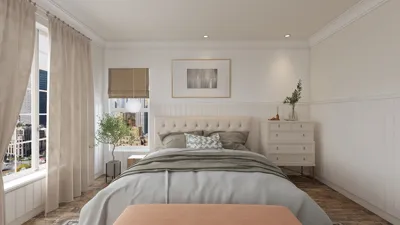


In a previous project, I nearly persuaded a client to tile a compact bathroom entirely in glossy beige, which would have resembled a large custard cup. Fortunately, we decided to halt and test different samples; this led us to discover techniques that allowed cream and beige to harmonize without transforming the space into a dessert oasis. I often utilize sketches, material mock-ups, and realistic 3D renders to effectively illustrate color concepts before proceeding with any tile installation.
Layering neutrals with textural diversity
Starting a cream beige bathroom with various textures is a design strategy I admire: think matte subway tiles, honed stone countertops, and a slatted oak vanity. This approach provides depth while maintaining warmth without introducing competing colors; however, the challenge lies in avoiding a dull aesthetic — texture resolves that issue.
Tip: Integrate a mosaic niche or create a matte-gloss contrast to enhance light reflection. A budget-friendly option is to paint the ceiling a gentle cream and introduce texture via towels and woven baskets.
Incorporating warm metals and vintage elements
Brass or antique gold fixtures can beautifully warm up beige tones, giving an intentional appearance rather than a brownish tint. I frequently recommend a brushed brass faucet along with a coordinated mirror frame to clients seeking a touch of luxury without committing to a full remodel.
Just a heads-up: warm metals develop a patina and display water spots differently, so plan for periodic polishing. For those on a budget, consider brass-like hardware as an initial step, with the option to upgrade later.
save pin
Expansive tiles and visual storytelling on the floor
Utilizing large-format cream tiles in a small bathroom creates an illusion of spaciousness by minimizing grout lines and ensuring quieter sightlines. I conceptualize floor patterns akin to a mini storyboard, sometimes experimenting with contrast borders to enhance the perception of size.
When I strategize the layout, I consider how the flooring guides movement within the space, acting almost like visual signals. If you're looking to explore grout and pattern choices, consider using visualization tools before making any purchases.
save pin
Creating a spa-like corner with warm lighting
A palette of cream and beige is ideal for establishing a spa-like corner: think soft LED cove lights, warm dimmers, and natural textiles. The reward is an instantly calming vibe; the only drawback may be spending more time in the bath than planned.
A practical tip: choose IP-rated lighting for wet areas and opt for warm 2700–3000K bulbs to maintain flattering beige tones.
save pin
Clever storage solutions that blend in
In a cream-colored design, storage should be discreet, not overbearing. I often create floating vanities with concealed drawers and in-wall niches that blend seamlessly with matching cream tiles, ensuring the area remains tidy and open.
If you seek inspiration for optimizing small corners, consider examples of efficient storage strategies and adapt these ideas; kitchens and bathrooms often share similar storage principles. Reminder: conceal costly hardware behind paint-matched panels for a high-end appearance at a lower price.
save pin
Frequently Asked Questions
Q1: Are cream and beige suitable for small bathrooms?
Absolutely — these colors reflect light effectively and create an impression of larger spaces. Ensure you incorporate texture, contrast, and well-placed lighting to avoid a flat feel.
Q2: What flooring complements cream beige walls?
Large-format porcelain or warm-toned wood-look tiles are excellent choices. Keep grout colors closely matching the tiles for a seamless effect that visually expands the floor area.
Q3: How can I keep a beige bathroom from looking outdated?
Combine differing finishes (matte vs. gloss), integrate modern fixtures, and introduce contemporary accents like black or deep green for contrast. Simple updates, such as switching out handles, can revitalize the look.
Q4: What paint finish is best for bathroom walls?
Semi-gloss or satin finishes are practical due to moisture resistance and easy cleaning. For less exposed areas, consider a low-sheen eggshell for a softer aesthetic—aim for a balance between durability and visual appeal.
Q5: How do I select the grout color for cream tiles?
Opt for a grout that is slightly darker than your tiles to conceal dirt while still maintaining a continuous appearance. It's wise to test a small strip to observe how it performs under your specific lighting.
Q6: Are warm metallics a fitting choice with cream beige?
Yes—brass and gold tones enhance the warmth of the palette. Just be mindful of upkeep; brushed finishes are more adept at hiding fingerprints than polished options.
Q7: How can I manage humidity to protect cream finishes?
Utilize an appropriately sized exhaust fan and ensure good ventilation—preventing mold growth is crucial. For additional guidance, refer to EPA recommendations concerning indoor moisture and mold (https://www.epa.gov/mold).
Q8: Can I achieve a luxurious look on a budget?
Definitely—focus on noticeable elements such as lighting, hardware, and a statement mirror, while keeping larger surfaces neutral. Thoughtfully chosen paint and accessories can provide significant visual impact without breaking the bank.
save pin
Homestyler is your go-to online home design platform! With its user-friendly design tool, stunning 3D renderings, and a wealth of DIY video tutorials, you can effortlessly create and visualize your dream spaces. Perfect for both beginners and seasoned designers alike!
Concevez maintenant gratuitement
































