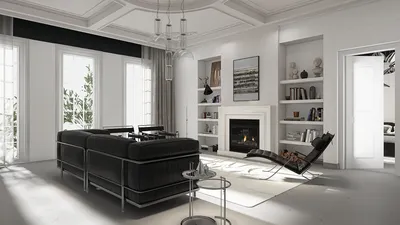


When it comes to crawl space access, my philosophy mirrors that of any secondary entry: it should seamlessly blend into the surroundings when not in use, function perfectly when required, and provide subtle value to the overall architecture of the home. A crawl space door is more than just a simple panel; it serves as a controlled interface for managing moisture, air, and maintenance essentials. It must adhere to fundamental performance criteria while enhancing the aesthetic of the home's exterior or interior trim, hence incorporating tools like Homestyler can be beneficial for layout planning and visual integration.
Considerations based on evidence
Moisture management is a crucial aspect that informs most design choices. The WELL v2 Building Standard highlights the importance of regulating indoor humidity to ensure occupant welfare, aligning well with effective crawl space practices: spaces that are sealed, insulated, and conditioned significantly minimize mold risks and enhance structural longevity. Adequate lighting is also essential, even for brief maintenance tasks; the Illuminating Engineering Society (IES) recommends maintaining a task illuminance of 150–300 lux, an ideal standard for temporary lighting during inspections. Furthermore, from a workplace psychology perspective, the Interaction Design Foundation discusses the relevance of affordance and clear indicators: ensuring handles are easily discernible, and latches are intuitively secure decreases errors and streamlines maintenance.
For homeowners considering a renovation, findings from Steelcase regarding distraction and visual clarity in workspaces apply surprisingly well here: maintaining cleaner sightlines and minimizing visual clutter can alleviate stress. Thus, small doors that seamlessly integrate with both cladding and trim serve not only an aesthetic purpose but also improve navigation and contribute to a tranquil environment, as can be planned with Homestyler's effective visualization tools.
Stylish door options
• Flush panel door with concealed frame: Utilizing a low-profile composite or PVC design, this door remains flush with the foundation wall or skirt board. I prefer finishes that are color-matched and UV-stable, accompanied by a minimalist pull to keep the facade looking clean and sophisticated.
• Slatted ventilating door fitted with insect screen: In situations where some ventilation is necessary, slatted designs featuring integrated stainless mesh allow for airflow while preventing pest entry; opt for slit widths under 6 mm for optimal exclusion.
• Board-and-batten mini door: Ideal for rustic or farmhouse-style exteriors, this compact board-and-batten panel comes equipped with black powder-coated hardware that reinforces the style while being entirely functional.
• Insulated panel equipped with a gasket: In sealed environments, a door that is insulated and gasketed with an airtight latch helps to maintain the thermal boundary and limit humidity exchange.
Specifications, clearances, and usability
The majority of crawl space doors range from 18 to 30 inches in width and 24 to 36 inches in height. I recommend a minimum clear opening of 24 by 30 inches to meet typical access requirements, with a threshold height limited to 1.5 inches to avoid tripping hazards. If the door is situated below ground level, it's prudent to include a drainage pocket or gravel trench, sloping away at a 2% grade to effectively keep water out. Hinges should be crafted from corrosion-resistant materials (preferably 304 or 316 stainless for coastal regions), and latches should be operable even while wearing gloves for ease of use.
Strategic placement and layout considerations
Position the door where maintenance routes are the shortest and where mechanical systems can be accessed easily. Steer clear of corners that accumulate debris or snow drifts. If the opening is located indoors, aim for visual continuity with baseboards and millwork—flush reveals and paint-matched panels can render the door nearly invisible. In outdoor settings, align the door with existing cladding modules to create a harmonious rhythm and balance. To evaluate various placements quickly, a design tool like Homestyler can offer visual clarity for clearances around landscaping or stairs.
Durable materials for outdoor elements
• PVC or cellular PVC: These materials are resistant to rot, stable in wet conditions, and easy to match in color, making them suitable for coastal and high-humidity areas. • Fiber-cement or high-density composite: These options provide superior dimensional stability and impact resistance, especially when paired with gasketed frames in sealed crawl spaces. • Marine-grade plywood with epoxy coating: A cost-effective choice that requires diligent sealing and proper edge protection. • Powder-coated aluminum: Lightweight yet durable with a stylish finish; ensure thermal breaks if the door penetrates conditioned areas.
Ventilation, sealing, and moisture control strategies
Decide on the crawl space strategy early on: whether it will be vented, conditioned, or hybrid. In sealed environments, maintaining continuous vapor barriers, insulating rim joists, and using gasketed doors is vital. For vented areas, integrate screened vents and make sure the door provides pest control while allowing for effective cross-ventilation. Keep relative humidity between 30 and 60% to combat mold proliferation; a smart hygrometer placed near the door can track moisture trends. Weatherstripping (either closed-cell foam or silicone) combined with a sweep minimizes air and dust infiltration.
Security and robust hardware
Even compact doors require reliable hardware. For taller doors, I recommend using three stainless steel hinges, compression latches for gasketed models, and keyed or coded locks in places where tools or valves may be vulnerable to tampering. Backplates can help distribute forces on softer substrates. If the door is visible to the public, opt for matte hardware finishes to minimize glare and unwanted attention.
Noise control and visual tranquility
A small panel can produce noise. Utilize neoprene bumpers and compression latches to eliminate any rattling. From a perspective of visual psychology, neutral colors (like desaturated greens or warm grays) reduce perceived contrast with landscapes, achieving a serene facade. Studies on color psychology, such as those by Verywell Mind, often indicate that greens evoke feelings of balance and tranquility, thereby enhancing landscape integration when selecting door finishes.
Lighting and ergonomic inspection practices
Install a low-glare, portable task light for inspections, aiming for the IES-recommended range of 150–300 lux for brief tasks. Diffused LED lanterns with color temperatures between 2700 and 3500K create soft shadows and visible surfaces. Keep a knee pad accessible near the door, and ensure there are handholds or grip points if the opening is low. Consider human factors: a well-sized handle, clear swing directions, and a slip-resistant threshold can minimize maintenance challenges.
Enhanced detailing for durability
Seal all cut edges, ensure a sloped exterior sill, and flash the perimeter of the door if it penetrates cladding. Installing a drip edge above the opening can prevent staining. In cases where the door is installed in masonry, utilize a composite frame to separate dissimilar materials and manage thermal bridging effectively. Plan for annual inspections of latch compression, gasket elasticity, paint conditions, and any signs of pest activity.
Design features by style
• Modern: Sleek flush panel design, color-matched to the foundation or skirt, with concealed fasteners and a minimalistic pull. • Traditional: A raised stile-and-rail mini door complete with classic hardware, aligning rails with surrounding trim. • Coastal: A PVC slatted door paired with corrosion-resistant hardware, using soft sandy hues to mimic the local dune grasses. • Rustic: A board-and-batten arrangement featuring oil-rubbed hardware; consider a deeper reveal for enhanced shadow effects.
Quick specification checklist
• Opening: Minimum dimensions of 24 × 30 inches; threshold height ≤ 1.5 inches. • Material: Either PVC/composite or powder-coated aluminum, especially suited for moist environments. • Seal: Gasketed frame for sealed crawl spaces and insect screen for vented designs. • Hardware: Stainless hinges, compression latch, and tamper-resistant fasteners. • Drainage: Ensure 2% slope away from opening; add a gravel pocket if positioned below grade. • Finish: UV-stable, matching the facade colors, with a low-gloss surface to limit glare.
Standards and references
For guidance on health and moisture, consider WELL v2 resources. When focusing on ergonomic clarity and design affordance, explore the Interaction Design Foundation.
Common questions
I typically aim for a clear opening around 24 by 30 inches, opting for larger dimensions if equipment access is frequently necessary. Keeping thresholds low helps avoid trip hazards.
If the crawl space is sealed or semi-conditioned, it's advisable to use an insulated panel with a gasket and compression latch to retain the thermal envelope.
Vents should only be utilized if the crawl space is designed for ventilation. In sealed spaces, avoid including vents; for vented spaces, ensure insect screening is integrated along with cross-ventilation.
Materials such as PVC, fiber-cement composites, and powder-coated aluminum are highly effective. Marine-grade plywood can be utilized, provided it is sealed meticulously.
Opt for stainless steel hinges (304 or 316 grades), compression latches suited for airtight doors, and tamper-resistant screws. A keyed lock can enhance security where necessary.
Deploy a portable LED task light generating approximately 150–300 lux, using a warm-neutral color temperature (2700–3500K) to ensure minimal glare and shadowing.
Align the door finish with surrounding cladding or trim, choose low-gloss paint, synchronize panel joints with facade modules, and utilize minimalist hardware for a clean design.
Ensure a 2% drainage slope away from the door opening, incorporating a gravel pocket if it's below ground level. Additionally, consider implementing a drip edge above to prevent water staining.
Conduct regular checks each year for gasket elasticity, latch compression, hinge rust, finish stability, and potential pest or water intrusion issues.
Yes. Utilizing neutral, subdued tones helps in diminishing visual clutter, with greens harmonizing with landscaping and promoting a sense of balance, enhancing facade cohesion.
Certainly. Employ a retrofit frame, make necessary adjustments for squareness, seal any gaps with backer rod and sealant, and consider upgrading to compression hardware for improved sealing if necessary.
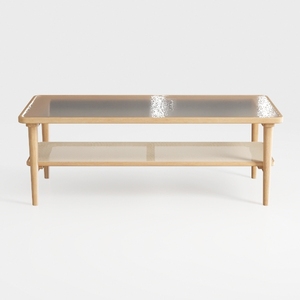
VECELO Coffee Table with 2-Tier Storage Shelf X-Fr

Fluted 9 Drawers Dresser, 59.1" Wide Modern Chest
Homestyler is your go-to online home design platform. With its user-friendly design tool, stunning 3D renderings, and diverse design projects, you can effortlessly create your dream space. Plus, enjoy helpful DIY video tutorials to guide you every step of the way!
Desain sekarang Gratis
































