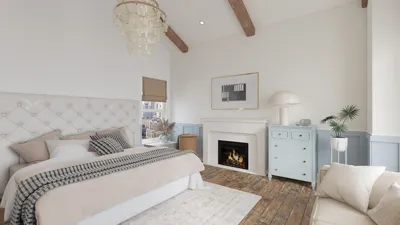


Creating mood boards is an excellent way to visualize your design intent. Prior to purchasing any furniture, a well-crafted board can clarify your color palette, proportions, finishes, and lighting, ensuring that every decision aligns with a specific mood—be it calming, energizing, or cocooning. Research from Gensler supports this approach, showing that environments designed with user intentions significantly enhance satisfaction and usability. In a residential setting, this leads to spending more time enjoying the space and experiencing less decision fatigue. For color selection, I rely on Verywell Mind’s insights into color psychology: cooler shades are known to lower heart rates and create a restful atmosphere, while warmer tones can enhance alertness and sociability. Thus, these principles form the foundation of my early palette selections rather than relying on speculation.
Lighting plays a crucial role in establishing the ambiance, just as much as color does. The WELL v2 guidelines promote layered lighting designs and glare reduction to enhance comfort and align with circadian rhythms. Typically, the Illuminating Engineering Society (IES) recommends task light levels for living spaces to be between 100 and 300 lux with a color temperature of 2700K to 3000K for a cozy evening feel. By integrating these lighting specifications into your mood board—using swatches that represent 2700K bulbs, examples of gentle wall washing, and dimming ranges—you can ensure that the envisioned atmosphere remains intact after installation. If you’re evaluating seating arrangements or pathways, using an interior layout planner like Homestyler can effectively help you simulate clearances and relationships before finalizing your choices.
Craft a Mood Board with Purpose
I typically begin by defining a concise statement about the room’s intended use: "A relaxing evening with friends, featuring low light, tactile surfaces, and minimal visual distraction." This statement informs every selection made for the board. I categorize the board into five sections—Color, Materials, Lighting, Furniture Forms, and Details—to keep decision-making transparent and aligned with the overall goal.
Effective Color Strategies for Real Spaces
- Establish a foundation with 1-2 neutral colors, making up 60-70% of the palette, complemented by one main accent (20-30%), and 1-2 micro-accents (5-10%). This 60/30/10 formula ensures balance while maintaining character.
- Map undertones appropriately: pair warm greige tones with brass and walnut accents, while keeping cool gray shades with chrome, stone, and blue-hued textiles. Mixing undertones improperly can undermine the integrity of your board.
- Test the scale of elements: represent the wall color with the largest swatch, the rug as the next largest, followed by smaller chips of accent colors or pillow fabrics. The scale on your board should reflect the actual room dimensions.
Lighting Techniques to Create Adjustable Ambiance
- Ambient lighting should come from ceiling fixtures or cove lights set between 100 and 200 lux, using bulbs in the 2700K to 3000K range for an inviting glow.
- Task lighting should achieve 300-500 lux at reading nooks and work surfaces. Use opaque shades and appropriate beam angles to minimize glare.
- For accent lighting, incorporate 1-3 highlight features—like artwork, shelving, or textured walls—with slightly intensified contrast. Keep the finish of fixtures in mind (matte versus polished) to control sparkle and reflections.
- Implement dimming options by putting ambient lights and accent lights on separate dimmers—this allows you to maintain atmosphere while ensuring functionality.
Material Palette: Where Texture Evokes Emotion
To avoid a flat design, combine contrasting textures: such as textured bouclé against smooth limestone, or smoked oak paired with linen. Limit shiny materials to 10-20% of your palette, ensuring there’s visual interest without creating an overly glossy environment. For a tranquil setting, favor low-reflectance finishes and open-weave fabrics to diffuse sound and glare.
The Language of Form: Curves, Lines, and Visual Weight
Select a cohesive geometric style. Rounded shapes promote relaxation and ease of movement; straight lines convey order and precision. Ensure a visual balance: a substantial sectional sofa should be complemented by a lighter coffee table (like one with a glass top or slender legs) to prevent a heavy look in the center of the space. Introduce a sculptural piece—such as an arched floor lamp or an eye-catching chair—to invite interest.
Creating Acoustic Comfort Without a Studio Aesthetic
Hard surfaces can amplify sound. On your mood board, include a plush rug, lined curtains, upholstered furniture filled with fiber, and a textural wall element (like slatted wood or a fabric panel) that can help absorb sound. Even in compact areas, these adjustments can enhance intimacy during music playback or conversations.
Three Mood Board Inspirations to Explore
- Color: warm greige walls paired with accents of clay and tobacco, finished with bone white trim.
- Materials: oiled walnut, soft bouclé, plush wool rug, and aged brass elements.
- Lighting: warm 2700K globe bulbs and dim-to-warm recessed lights.
- Forms: a rounded sofa complemented by cylindrical side tables.
- Color: soft white walls with cobalt or coral highlights, grounded by a charcoal rug.
- Materials: performance linen, natural grain oak, and ripple glass accents.
- Lighting: 3000K ambient lighting, featuring playful pendants above conversation areas.
- Forms: a combination of a rectilinear sofa and a curved lounge chair to create tension.
- Color: deep blue-gray backdrops, with oxidized bronze highlights and ivory micro-accents.
- Materials: mohair or velvet, mirrored surfaces, and blackened oak elements.
- Lighting: layered lamps, wall sconces with baffles, and indirect LED lighting behind a media wall.
- Forms: low-profile seating, a robust coffee table, and a tall arc lamp.
Considering Proportions and Flow: Make the Board Functional
Transform your collage into a functional plan: represent sofa depth, the coffee table dimensions (generally about two-thirds the length of the sofa), and clearance areas (ideally 36 inches for primary pathways, 18 inches between seating and tables). If deliberating between a corner sectional and a traditional sofa and chairs layout, utilize a planning simulation tool like Homestyler to visualize swatches along with circulation paths. Merging movement patterns with colors can prevent last-minute changes.
Layered Styling: From Mood Board to Lived Experience
- Art: incorporate the accent color at eye level, using odd-numbered groupings for visual rhythm.
- Books and decor: vary heights among items and maintain 60% open shelf space to minimize visual clutter.
- Textiles: repeat textures in at least two instances (for example, linen drapery paired with matching linen cushions) to foster cohesion.
- Greenery: one striking large-leafed plant in a sculptural pot can be more impactful than several smaller plants.
Trustworthy Color Psychology Insights
Utilize evidence-based color psychology: blue-greens promote tranquility and clarity; warm reds and oranges elevate energy and social interactions; and muted earthy tones enhance a sense of coziness. Keep the more stimulating colors in smaller, adjustable decor items (like pillows and art) for seasonal mood adjustments.
Lighting Nuances That Pictures Won’t Capture
Pay attention to how surfaces reflect light: a matte plaster wall will appear luminous under grazing lighting, whereas a glossy finish may create distracting hotspots. Material selections matter—linen softens the light while metal accents can sharpen it. For ceiling-mounted fixtures, opt for beam spreads of 40-60 degrees to ensure a general wash of light in living areas while keeping direct glare from main seating zones.
Incorporating Sustainability into Your Mood Board
Opt for FSC-certified woods, natural fiber rugs (such as wool or jute) with low-VOC backing, and performance fabrics backed by sustainability certifications. Including vintage furniture can provide unique character while lessening carbon impact, contributing visual richness to your overall color story.
How to Validate a Mood Board Before Making Purchases
- Print swatches to scale (1:1 for texture) and assess them under both 2700K evening lighting and natural daylight near windows.
- Create a mini staging area on a console: place a wall color card behind, drape fabric, stack finish samples, and include a lamp that uses the proposed color temperature.
- Mark out the plan on the floor using tape and a timer. If you find yourself hesitating at corners or the edges of the coffee table, consider adjusting the sizes before finalizing your decisions.
Frequently Asked Questions
Q1: How many colors should I include in a living room mood board?
A1: I recommend keeping it to 3-5 key colors: two neutrals, one primary accent, and one or two micro-accents. This 60/30/10 strategy fosters harmony without sacrificing interest.
Q2: What color temperature works best for a cozy living room?
A2: Aim for 2700-3000K, creating a warm and intimate feel. Pair this with ambient light around 100-200 lux and task lights providing 300-500 lux for reading.
Q3: How do I decide between a sectional sofa and a sofa with chairs?
A3: Consider your usage. If you frequently host movie nights and prefer lounging, a sectional can be ideal. For flexible social arrangements, a traditional sofa with two chairs might offer better sightlines and circulation. Test both layouts in a planner, such as Homestyler, before purchasing.
Q4: What’s the simplest way to prevent clashing undertones?
A4: Line up all major finishes side by side—wall color, flooring, and rug base hues—and select metallics afterward. Warm woods and brass tend to match well with warm paint colors, while cool stones and chrome fit better with cooler paint options.
Q5: How large should a living room rug be?
A5: It's best to have the front legs of all seating on the rug. Standard sizes of 8x10 ft or 9x12 ft generally work well, allowing for 8-18 inches of visible floor around the edges.
Q6: How can I design for sound without utilizing heavy sound panels?
A6: Implement a layered approach: using a dense rug, lined curtains, upholstered seating, and at least one textured wall feature. These elements help to soften acoustics and facilitate conversations.
Q7: Can vibrant colors still evoke a calming vibe?
A7: Absolutely—utilizing bold hues in small doses on surface items, while keeping larger elements (like walls and major furniture pieces) in softer, textured tones helps create intention without adding chaos.
Q8: What’s a great method for integrating smart lighting into my design?
A8: Employ dimmable lamps and set scenes with warm color temperatures during the evening. Separating circuits for ambient and accent lighting allows you to reduce overall brightness while highlighting focal points.
Q9: How can I test sheen levels before committing?
A9: Compare eggshell versus matte paint samples under your intended lamp. Matte finishes minimize hotspots and are suited for textured surfaces, while eggshell adds durability for high-traffic areas.
Q10: How do I keep a minimalist color palette from appearing too sterile?
A10: Enhance tactile diversity with materials like bouclé or linen, and layer warm whites instead of sticking with a single bright white. Including a plant and a vintage piece can impart soul to the design.
Originally incubated at Autodesk, Homestyler has grown into one of the most widely adopted home design platforms in the world, now trusted by over 18 million users. Whether you're a homeowner exploring ideas or a professional designer delivering client-ready renders, Homestyler brings industry-leading 3D technology to your fingertips — no experience required.

Minimalist Boucle Fabric L Shaped Sectional Sofa with Throw Pillows 3D Model
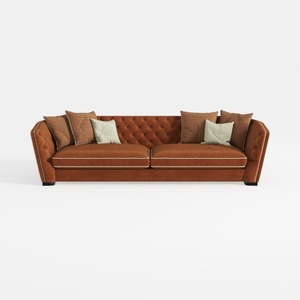

Contemporary Tufted Brown Velvet Extra Large Sofa 3D Model
Looking to transform your space? Homestyler offers an exceptional online home design experience! With its user-friendly design tool, impressive 3D renderings, a variety of design projects, and helpful video tutorials, you can easily create and visualize your dream home—no prior experience needed!
Design Now for FREE
































