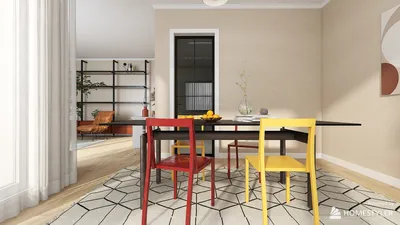


Mid-century dining tables build their esteemed reputation through essential characteristics: authentic materials, skillful joinery, and proportions that appear effortless. When I set out to design or construct one, my focus is on minimalistic geometry, tactile textures, and the subtle ergonomics that enhance everyday dining experiences. Typically, the ideal dining surface height rests around 29–30 inches, accompanied by chairs measuring 17–18 inches—standards commonly adhered to by furniture designers and reinforced by ergonomic guidelines to ensure comfortable seated postures. Research conducted by Steelcase highlights how slight adjustments in posture can increase comfort and diminish fatigue, a principle that is similarly applicable to dining settings where chair height and edge radius significantly determine how long one can remain seated without discomfort. WELL v2 additionally advocates for effective glare management and adequate lighting levels in communal spaces, thus integrating lighting design as a critical factor in the table’s overall success, a concept easily conceptualized with tools like Homestyler.
Lighting plays a crucial yet often overlooked role in setting the mood for a mid-century dining area. The Illuminating Engineering Society suggests a range of 10–30 foot-candles for dining environments, serving as a practical baseline to ensure that faces remain recognizable and food looks inviting, all while avoiding harsh light contrasts. I particularly favor a dimmable pendant light suspended 28–34 inches above the table for optimal task visibility and ambiance. By maintaining a color temperature of approximately 2700–3000K, the warmth complements the natural tones of mid-century furnishings. For those interested in standards regarding occupant well-being, I often refer to the WELL v2 framework, alongside the insightful ergonomic resources available from Steelcase.
Design Intent: Proportions, Rhythm, and Edge Details
Mid-century design is characterized by visual balance and rhythm: sleek frames paired with sturdy legs, defined reveals, and uninterrupted grain patterns that harmonize with the surroundings. I typically aim for a length-to-width ratio of about 2:1 for rectangular tables (for instance, an 84 × 42 inch table comfortably accommodates eight people), or a diameter of 48–54 inches for round tables. The tabletop thickness of 1–1.25 inches is ideal—thinner than rustic farmhouse styles yet thicker than ultra-modern designs—while a bevel or radius of 1/8–3/16 inch effectively softens edges and alleviates pressure points on forearms. A corner radius of 1–2 inches is particularly inviting, especially in tighter spaces where movement is crucial.
Material Choices: Selecting Woods, Veneers, and Authentic Finishes
I tend to choose solid walnut, white oak, or teak for their durability and attractive grain. If opting for veneer, I recommend using book-matched walnut or teak applied over an MDF or Baltic birch core to ensure stability and efficient material use. Sustainable practices benefit from selecting FSC-certified woods and applying environmentally friendly finishes. A blend of penetrating oil and varnish or hardwax oil helps maintain tactile warmth while ensuring that mid-century pieces age gracefully. Keeping the sheen low (matte to satin) prevents glare and enhances the beauty of the grain under ambient lighting.
Joinery and Structure: Strength without Bulk
To maintain an airy silhouette, the underlying structure must support the weight. Mortise-and-tenon or bridle joints are ideal for legs and aprons, offering reliable mechanical strength. For round tabletops, I employ a cross-braced underframe or integrate concealed steel flat bars within shallow grooves to counter seasonal movement. With rectangular designs, a slim apron measuring 2.5–3 inches ensures leg clearance while reinforcing the tabletop's integrity. Hidden knock-down connectors facilitate transportation without compromising the overall streamlined appearance.
Layout and Seating: Prioritizing Comfort
A mid-century table truly excels when circulation and sightlines are carefully planned. Aim for at least 36 inches of clearance from adjacent walls or storage, and allot 24 inches of width for each person seated for elbow space. To test seating arrangements, utilizing an interior layout planner can be beneficial to visualize spacing, pendant light positioning, and traffic flow; tools like Homestyler can help avoid overcrowding and misaligned lighting configurations.
DIY Assembly Steps: Transforming Lumber into a Finished Piece
Begin by sketching the desired dimensions, leg placements, and apron depths. Make sure to finalize the seating arrangement and allocated clearances in the room before cutting any materials. Establish centerlines for light fixture alignment and designate chair zones to avoid future conflicts between lighting and movement.
Joint and plane boards to maintain a consistent thickness. Position the grain for visual continuity. Use alternating clamps on both top and bottom sides to even out pressure; employing cauls can help minimize warping. If veneering, prepare a flat core and apply pressure uniformly while ensuring seams remain book-matched for an authentic mid-century aesthetic.
Smoothing out edges with a subtle chamfer or round-over, then hand-sand to unify the profile. Maintain soft enough edges for comfort while ensuring they are crisp enough to stay true to the design language.
Craft legs with slight tapers (for example, 1/8 inch per side over a height of 20 inches) to achieve the refined stance synonymous with mid-century furniture. Mortise-and-tenon the aprons into the legs to ensure a square build. Incorporate corner blocks for added rigidity against racking.
For wider tabletops, consider installing shallow steel bars or adding a stretcher to prevent sagging. Aim to keep these reinforcements hidden from typical viewpoints.
Sand the surfaces using grits ranging from 180 to 220 for hardwoods. If using waterborne finishes, it’s advisable to water-pop the wood before the final sanding. Apply two to three coats of hardwax oil or a low-VOC varnish, gently rubbing between coats to maintain a satin finish.
Secure the base with figure-eight fasteners or elongated slots, allowing for wood movement with seasonal changes. Confirm that the table's feet are level and that the pendant light aligns with the centerline of the table.
Lighting and Acoustic Considerations
In addition to foot-candle measurements, it is essential to address glare control through the use of diffusers and dimming options. A pendant equipped with an opal glass shade provides even light distribution, while a matte tabletop minimizes reflections. In vibrant homes, adding a rug under the dining table can absorb sound from foot traffic and soften the overall acoustic landscape, enhancing conversation quality without strain.
Color Psychology at the Dining Table
Warm neutrals and wood tones create an inviting atmosphere, while soft greens or muted blues on adjacent walls can decrease visual fatigue and instill tranquility. Research into color psychology indicates that warm palettes foster sociability and increase appetite, making them fitting companions for mid-century wooden designs. It is advisable to limit high-chroma accents to accessories to ensure the decor retains its timeless appeal.
2024–2025 Design Trends: Subtle Technology, Timeless Craftsmanship
Current interior trends lean toward tactile experiences over ostentation—employing wireless, dimmable LED lighting subtly integrated into classic pendants; selecting sustainably sourced woods; and prioritizing finishes that allow for repair. The focus lies on understated craftsmanship and durability, which harmonizes seamlessly with mid-century designs.
Common Errors and Their Solutions
- Overly thick tabletops: These can feel cumbersome and stray from the era’s aesthetic; aim to keep thickness at 1–1.25 inches.
- Short aprons: This can lead to leg wobbling; opt for aprons measuring 2.5–3 inches with solid joinery.
- Strident lighting: Set dimmable pendants between 2700–3000K and ensure surface levels achieve 10–30 foot-candles.
- Insufficient clearance: Spaces under 30 inches can feel restrictive; strive for a minimum of 36 inches clearance around the table.
Maintenance and Durability
Promptly wipe up spills, avoid allowing standing water to settle, and refresh oil finishes annually to maintain the wood. Using coasters can prevent heat rings. If scratches happen, a light sanding and spot finish can help keep the overall appearance cohesive. Mid-century pieces are designed to develop character over time rather than showing distress prematurely.
References for Further Information
For guidance on lighting standards and occupant well-being, I frequently consult IES recommendations for appropriate dining area light levels and WELL v2 for advice on lighting quality. The research from Steelcase offers practical insights into seating and posture accommodations for shared spaces.
FAQ
Q1: What dimensions should I consider for a table accommodating six to eight people?
A: For six diners, a size of 72 × 38–40 inches is ideal; for eight people, aim for 84 × 42 inches. A round table with a 54-inch diameter works well for six, ensuring at least 36 inches of clearance around walls or storage spaces for easy movement.
Q2: What is the recommended height for a dining table?
A: A height of 29–30 inches pairs nicely with seat heights of 17–18 inches. This combination allows for comfortable knee clearance and relaxed forearms resting on the edge’s radius.
Q3: Which woods are most characteristic of mid-century styles?
A: Walnut and teak are classics, while white oak offers a lighter yet sturdy alternative with a similar restrained aesthetic. Whenever possible, choose FSC-certified sources.
Q4: How thick should the tabletop be to reflect mid-century authenticity?
A: Strive for a thickness between 1–1.25 inches for a genuine mid-century look. Going thicker may give a heavy appearance; conversely, thinner options can be prone to vibrations unless adequately reinforced.
Q5: What lighting configurations enhance a mid-century dining table?
A: Utilizing a single dimmable pendant light, set between 2700–3000K, hung at a height of 28–34 inches above the table, will provide roughly 10–30 foot-candles on the tabletop per IES guidance. Diffusers should be included to mitigate glare.
Q6: How can I prepare for wood movement in my table design?
A: Employ figure-eight fasteners or elongated screw slots to accommodate seasonal wood movement. Consider the integration of hidden steel flat bars in wider tabletops for added stability.
Q7: What finish should I select for optimal performance?
A: A blend of hardwax oil or low-VOC oil/varnish delivers a tactile, repairable surface with a matte to satin sheen that complements the grain of mid-century designs.
Q8: Is veneer a viable alternative to solid wood?
A: Absolutely. Choose high-quality walnut or teak veneer applied to stable cores like Baltic birch. Ensure seams are book-matched and edges are treated cleanly for authenticity.
Q9: How can I create an acoustically comfortable environment?
A: Incorporate a rug beneath the table to absorb sound, opt for softer wall finishes, and use diffused lighting to avoid harsh reflections that amplify noise levels.
Q10: What leg design conveys a mid-century feel?
A: Legs that feature slight tapers (approximately 1/8 inch per side over a height of around 20 inches) or splayed legs with well-defined angles best reflect mid-century aesthetics. Maintain crisp joinery while ensuring the apron remains slim yet structurally sound.
Homestyler is your go-to online home design platform! With its user-friendly design tool and stunning 3D renderings, you can easily create and visualize your dream space. Plus, the extensive library of design projects and DIY video tutorials will inspire your creativity. Start designing today!
Zaprojektuj teraz za darmo
































