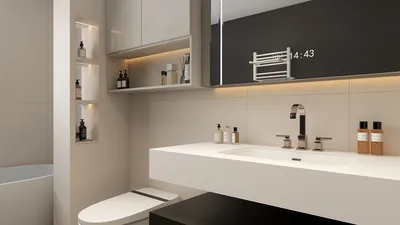


Designing a floor plan for your commercial lease might appear overwhelming at first, but using tools like Homestyler can transform it into a liberating experience that helps you visualize your space. In this comprehensive guide, we will explore the steps necessary to draw an effective floor plan that complies with relevant regulations. Whether you’re launching a new enterprise or relocating, grasping the spatial layout is essential. Let’s delve into the key steps to construct a practical and compliant commercial floor plan.
Comprehending Commercial Floor Plans
Before diving into drafting, it’s vital to grasp the essence of a commercial floor plan. Essentially, it is a scaled representation that illustrates a room's layout from a bird’s-eye view. This diagram showcases elements such as walls, windows, doors, and fixed installations like restrooms or kitchens. Familiarity with these components ensures you create a functional environment that caters to your business requirements.
Steps for Crafting Your Commercial Floor Plan
1. **Gather Essential Tools:** Whether you prefer hand-drawing with graph paper, a pencil, and a ruler, or opting for digital solutions, Homestyler offers user-friendly templates and intuitive drag-and-drop functionalities to simplify the process.
2. **Take Accurate Measurements:** Precise measurements of your space are imperative. Make sure to document the dimensions of each area and the entire property to create a scaled plan.
3. **Draft the Layout:** Start sketching the walls and overall design of your commercial space using the recorded measurements. Ensure to depict entry points and any pre-existing features within the space.
4. **Plan Functional Areas:** Consider the movement flow within your space. Reflect on how both customers and employees will navigate through the area. Allocate sections for various functions, such as workstations, meeting areas, and relaxation zones.
5. **Polish Your Plan:** After outlining your design, assess it for practicality and ensure it aligns with zoning regulations. You may want to consider consulting an interior designer or utilizing Homestyler’s 2D Design Tool for a more refined presentation.
Advantages of Creating Your Own Floor Plan
Crafting your own commercial floor plan not only allows for customization, but it also ensures that your space embodies your vision. A self-created plan enhances your understanding of the layout, enabling more informed design decisions. Furthermore, if you’re leasing, it serves as an effective means to illustrate your requirements to landlords or designers.
Frequently Asked Questions
Is it permissible to alter a commercial lease floor plan? Absolutely! You can modify your floor plan, provided that such adjustments adhere to local regulations and your lease’s terms—allowing you to tailor the space to your preferences.
What resources can I utilize for floor plan creation? You can choose traditional tools like graph paper, a pencil, and ruler for hand-drawn designs, or take advantage of digital platforms like Homestyler’s design community for online planning solutions.
How intricate should my floor plan be? Your floor plan must be sufficiently detailed to clearly communicate the layout. This includes dimensions and designations for specified areas for different activities.
Welcome to the No. 1 Floor Planner

Discover the creative power of Homestyler, the ultimate online home design platform! With its user-friendly design tool, stunning 3D renderings, an array of design projects, and informative DIY video tutorials, you can effortlessly transform your space into a dream home. Let your imagination run wild!
تصميم الآن مجانا
































