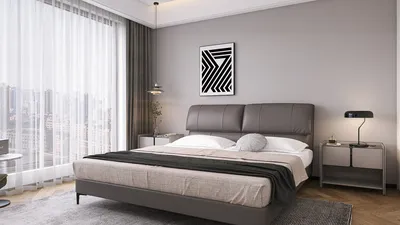


The foundation of an unforgettable birthday celebration is undoubtedly a venue that aligns with your guest count, atmosphere, and overall flow. I prioritize locations that exhibit effective scalability, simplistic service access, acoustical balance, and adaptable lighting. The layout of a venue plays a crucial role in shaping the atmosphere and comfort level; as highlighted in Gensler’s U.S. Workplace Survey, 43% of individuals state that the quality of their surroundings influences their performance—a lively party certainly benefits from a thoughtfully designed space. Lighting holds significant importance as well: IES suggests maintaining an illumination level of around 200–300 lux in social spaces to ensure visibility without harsh glare, while incorporating dimmable lighting layers can assist in shifting the mood throughout the night.
Creating a comfortable environment is essential for encouraging guests to stay longer. Research from Steelcase has continually demonstrated a link between the quality of the surroundings and extended engagement, which is echoed in WELL v2, emphasizing aspects such as air quality, light, thermal comfort, and sound as vital for promoting healthy attendance. Specifically for birthday parties, this means ensuring that venues have breathable air, low-glare lighting set at 2700–3500K for a warm ambiance, and manageable sound reverberation to ensure speeches resonate clearly. I tend to choose spaces with STC 50+ rated partitions between areas and soft furnishings that maintain RT60 levels between 0.6 and 1.0 seconds, ensuring clarity in speech.
Diverse Venue Options and Their Optimal Use
• Boutique ballrooms: These are perfect for significant birthdays (such as 30th, 50th, or 70th anniversaries) where both a ceremony and a dance floor are desired. Aim for 12–14 square feet per person for banquet seating that accommodates a dance area.
• Industrial lofts: These venues provide adaptable, visually striking backdrops suitable for themed celebrations. Additional acoustic treatments and warm-white lighting may be necessary to soften the industrial elements like concrete and brick.
• Garden pavilions: Especially suited for daytime kids' birthday parties or brunch festivities. Features such as cross-ventilation, shade structures, and string lights contribute to an effortless atmosphere.
• Community halls: These are cost-effective options, typically offering accessible parking and dependable service pathways. Inquire about stage lighting and ceiling rigging capabilities for decorations.
• Rooftop lounges: These settings are ideal for evening adult gatherings; considerations for wind and temperature management (like portable heaters and windbreaks) are critical.
• Restaurants with private rooms: They offer seamless food service and robust acoustics, but it’s wise to confirm the minimum spending requirement and any audio-visual provisions available.
Balancing Capacity, Flow, and Layout
Ensuring an appropriate size prevents overcrowding at the buffet or empty spaces by the bar. In cocktail-style gatherings, allocate about 8–10 sq ft per guest and for seated dinners, plan for 10–12 sq ft; if including a dance floor, add an extra 2–3 sq ft per attendee. Maintain clear circulation paths of 4 feet to accommodate servers and strollers. If you’re organizing locations for visibility of the cake table, speech area, and DJ, utilizing a room layout tool like Homestyler can assist in visualizing pathways, table arrangements, and sightlines before final decisions are made.
Enhancing Photos with Effective Lighting Layers
My goal is to achieve three distinct layers of lighting: ambient (200–300 lux), accent (targeting the cake and entry arch), and decorative (like string lights and lanterns). For evening events, warm color temperatures of 2700–3000K are ideal; for daytime children's events, a slightly cooler 3500K can provide sharper colors. It’s important to avoid mixed color temperatures that distort skin tones. Use a CRI of 90+ in areas where photography is vital and make use of dimming features to transition smoothly from dinner to dancing while managing glare, particularly on reflective decorations and balloons, to maintain a relaxed atmosphere.
Fostering Acoustic Comfort and Clarity in Speech
Nothing detracts from a toast like garbled audio. To reduce reverberation, balance harder surfaces with fabric drapes, area rugs, and upholstered seating. Position the DJ opposite the soft finishes to diffuse sound effectively. For mid-sized venues, it’s wise to place speakers slightly off the primary dance area to avoid directing sound straight at dining arrangements. In spaces with high ceilings, temporary acoustic banners could improve sound quality.
Utilizing Color Psychology in Theme Selection
Colors quickly convey the intended mood. Soft warm palettes (like peach, coral, and blush) foster social connection; vibrant primary colors energize children, while rich jewel tones convey elegance for adult milestones. Insights from Verywell Mind on color psychology indicate that warm colors can generate excitement, whereas blues tend to be calming—position warmer shades close to the bar and cake to boost energy, while implementing cooler hues in the seating areas for balance.
Ensuring Accessibility, Safety, and Family-Friendly Features
Verify that entries meet ADA compliance standards, and ensure there are elevators and accessible restrooms. Maintain a minimum doorway width of 36 inches and logical locations for stroller parking near the entryway. For children’s parties, implementing controlled check-ins, secure exits, and furniture with rounded edges is crucial for safety. Ensure that candle lighting is positioned away from helium balloons and confirm that all decorations are flame-retardant.
Managing Food Service and Backstage Operations
A well-managed venue discreetly handles the hustle of service. Seek out venues with dedicated service corridors, staging areas close to the kitchen, and efficient waste disposal systems. For buffet setups, provide 6–8 linear feet of space per 50 guests. Position bars away from the entry to minimize congestion while keeping them visible from the main event area.
Technology, AV Setup, and Perfect Photo Opportunities
Confirm adequate power distribution for sound and lighting needs, ensuring spare circuits for DJ systems and designated 20A lines for uplighting. Test microphone feedback prior to events, and arrange a speech area with an appropriate visual background. For picture-perfect moments, position feature walls where they can benefit from natural light or soft illumination for even facial lighting.
Understanding Contracts and Budgeting Clearly
Inquire about minimum spending limits, load-in schedules, overtime charges, insurance stipulations, and rules concerning décor (like tape, rigging, or confetti). Clarify what is included in cleanup duties and when vendors can access the venue. Consider negotiating packages for AV equipment or linens to streamline logistics.
My Must-Have Checklist for Venues
• Transparency regarding capacity that feels comfortable at both 70% and 100% attendance
• Dimmable warm lighting that avoids flickering
• An acceptable level of reverberation with options for staging speeches
• A service corridor and proximity to parking or rideshare locations
• A flexible range of furniture choices (round tables, hi-tops, kids’ tables)
• Outdoor spaces or lobbies to allow guests to unwind
Frequently Asked Questions
For cocktail events, plan for 8–10 square feet per guest; for plated meals, estimate around 10–12 square feet, with additional space for dance areas and photo opportunities.
Aim for an ambient light level between 200–300 lux with a warm color temperature of 2700–3000K. Incorporate dimmable accent lighting for cakes and speeches.
Enhance acoustics by incorporating fabric drapes, rugs, and upholstered seats, while also strategically placing speakers. Target an RT60 of about 0.6 to 1.0 seconds to ensure speech clarity.
Position the bar in a visible spot, yet not immediately at the entrance; set buffet tables along long walls, allocating 6–8 linear feet for every 50 guests to minimize wait times.
Designate areas: for active play or dancing, seated dining, and quieter lounge spaces, while maintaining circulation paths of at least 4 feet for strollers and staff.
Warm colors such as coral and gold invigorate; cooler tones like blues and greens have calming effects. Utilize warm shades around social areas and cooler colors in seating zones.
Yes, ensure dedicated 20A circuits for DJ equipment and separate lines for lighting to prevent overloads during your event.
Verify the presence of ADA-compliant entries, accessible restrooms, clear doorway widths, and smooth transitions; consider reserved seating options near exits for convenience.
Maintain indoor temperatures at approximately 72–75°F with efficient air circulation; provide heaters or fans for outdoor venues such as rooftops or gardens.
For peak event seasons, it's advisable to reserve venues 3–6 months in advance; for milestone celebrations or highly sought-after dates, aim for 6–9 months ahead.

Looking to transform your living space? Homestyler is an outstanding online home design platform that offers an easy-to-use design tool, stunning 3D renderings, and a wealth of DIY video tutorials. Unleash your creativity and bring your design visions to life effortlessly!
Design Now for FREE
































