


When I think of warmth, I see it as more than just a measure of temperature; it encompasses the equilibrium of thermal comfort, quality of light, materials utilized, and the functionality of the room. A harmonious space can feel inviting while also being energy-efficient. Let's explore strategies that adapt well to real homes and apartments while considering tools like Homestyler to visualize these concepts effectively.
Begin with Measurable Comfort
The foundation of warmth lies in effective lighting and the management of drafts. The Illuminating Engineering Society (IES) advises that the ideal ambient illuminance for living spaces usually falls between 100–300 lux; locations designated for reading and tasks should aim for closer to 300–500 lux to ease eye strain during evening hours. According to WELL v2 guidelines, minimizing glare and synchronizing color temperature (between 2700–3000K for winding down) can enhance one's sense of comfort and relaxation. Implementing these adjustments alone can create a cozier atmosphere without adjusting the thermostat. For extensive benchmarks regarding comfort in both workplace and residential settings, you can refer to IES standards and WELL v2 resources provided at ies.org/standards and wellcertified.com.
Seal Leaks, Then Layer Textures
Even small air leaks can diminish your heating efforts. Research by Steelcase on environmental comfort underscores the importance of thermal stability and draft management as significant factors influencing satisfaction. I suggest starting with weatherstripping doors, sealing off window gaps, and inspecting floor penetrations. Once the building envelope is secured, concentrating on tactile details is essential: dense rugs, woolen throws, and upholstered panels can contribute thermal resistance and minimize radiant heat loss to cooler surfaces. Using a rug pad that is 9–12 mm thick coupled with a high-pile rug can enhance comfort underfoot and reduce the chill that hard floors often present.
Leverage Lighting to Indicate Thermal Cues
The use of warm-white lighting (2700–3000K) conveys a feeling of coziness through color psychology. Verywell Mind has noted that warm tones can foster relaxation. I often use diffuse lighting sources (like paper or fabric shades) alongside low-glare task lights and dim-to-warm LEDs for winding down in the evening. Position light fixtures below eye-level in seating areas to prevent glare and sustain visual comfort. Aim to maintain a balance in reflectance: walls around 50–70%, ceilings approximately 80–90%, and floors between 20–40%—this approach keeps rooms illuminated without overwhelming brightness, thereby enhancing the sense of warmth.
Organize Layout for Heat Distribution and Habitual Use
Your seating location in relation to radiators, windows, or other heat sources can significantly impact comfort. It’s best to avoid placing seats directly against exterior walls; instead, try shifting them 8–12 inches inward to help preserve your body's radiant heat in cool environments. Place seating areas close to the warmest boundaries and maintain a proximity to lamps and cozy textiles, as these elements amplify the feeling of warmth. If you want to experiment with different arrangements before shifting furniture, utilizing a room layout tool like Homestyler can help visualize seating arrangements and traffic flow.
Thermal Zoning on a Budget
Space heaters can be excellent for creating micro-zones, but it’s crucial to select ceramic models that come with tip-over protection and thermostats. Ensure that there is 10–15 sq ft of unobstructed space around them, and never leave them running unattended. For radiator systems, reflective panels placed behind units can minimize heat loss to external walls; even a simple sheet of foil can enhance efficiency. Door draft stoppers and thick drapes can establish thermal pockets in areas designated for sleeping and reading.
Smart Curtains, Rugs, and Upholstery Choices
Thermal-lined curtains crafted with dense fabrics can significantly lower heat loss through windows, especially in older styles. Pair these with sheer curtains to balance daylight access while preventing drafts at night. When selecting flooring, natural fabrics like wool generally have superior moisture-balancing and thermal properties compared to synthetic alternatives; dense loop pile rugs outpace sparse cut pile variants for warmth. Upholstery materials such as chenille, bouclé, or velvet contribute additional tactile warmth and alleviate the "cold seat" sensation commonly experienced with leather in the winter months.
Color Psychology: Creating Warmth Without Actual Heat
The colors you choose can greatly influence the perception of comfort in a room. Using warm color palettes—like muted terracotta, camel, ochre, cinnamon, and blush—can create a feeling of coziness without needing to increase the thermostat register. According to Verywell Mind, colors in the red, orange, and yellow spectrum evoke warmth and vitality; applying them in lower saturations can prevent overstimulation. Balancing warm accent walls with neutral backdrop tones (for instance, light taupe at 50–60% reflectance) helps keep the space bright yet intimate.
Acoustic Warmth and Soft Boundaries
Silence can easily create a sense of cold; adding a soft acoustic layer brings warmth. To soften sound, layer absorbent materials throughout your space—such as area rugs, lined curtains, bookshelves, and textiles on the walls—to reduce mid- and high-frequency echoes. This strategy not only eases cognitive load but also makes smaller spaces feel calmer and more welcoming. If your floors are hard, consider larger area rugs that extend beyond seating areas to minimize sound reflections.
Ergonomics and Human Comfort Factors
The experience of warmth is subjective and influenced by behavior. Ensure that seating heights are within 16–18 inches and that back angles are appropriately set at 100–110 degrees for optimal relaxation. Keep blankets within easy reach, provide side tables for hot beverages, and utilize reading lights that fall within the 300–500 lux range while directing their beams below eye level. Incorporating items like footrests and ottomans can further enhance thermal comfort by reducing heat loss at the body's extremities.
Air Quality and Humidity Levels
Dry indoor air can contribute to a feeling of coolness. It is beneficial to maintain relative humidity levels at around 40–50% during winter, as this helps improve the sensation of warmth while also reducing static electricity. Use humidifiers equipped with hygrometers to monitor levels and maintain fresh air circulation through brief ventilation—simply opening windows for two periods of 5 minutes each day can refresh indoor air without significant heating losses, especially if doors are closed to isolate the area.
Energy-Efficient Heating Practices
Program your thermostats for cozy evening settings and gradual morning ramp-ups. For centralized heating systems, be sure to clean the filters regularly for optimal airflow and to minimize energy waste. If you rely on electric heat, integrating occupancy sensors with heating schedules allows you to minimize energy use by avoiding heating unoccupied rooms. It's wise to direct warmth primarily to the areas you occupy most—like bedrooms, reading spots, and work areas. Adding small radiant panels adjacent to desks or chairs can help lower overall thermostat settings for the home.
Visual Rhythm and Spatial Ratios
Coziness frequently hinges on the feeling of enclosure and rhythmic design. Implement a 60/30/10 color scheme (base, secondary, accent) while ensuring textures are repeated across at least three different areas in the room—such as a throw, rug, and cushions—to develop cohesive visual continuity. Keep lighting and art displays grouped at heights suited for seated observers. Maintain clear circulation paths (30–36 inches wide) while arranging seating for conversation (6–9 feet between sofas and lounge chairs). These proportions contribute to a gathering atmosphere that feels warm and inviting.
Material Choices and Sustainability
Select renewable materials—oriented textiles like wool, linen, and organic cotton—for improved warmth and eco-friendliness. Opting for reclaimed wood enhances visual warmth and provides better heat retention than glossy laminate surfaces. If insulation or panels are needed, seek recycled cellulose or PET products while reviewing transparency documents to understand their emissions. Lasting, tactile materials lower replacement needs and serve to protect the environment.
Lighting Scenes for Day and Night
Develop three distinct lighting scenes: Daylight Boost (4000K task lighting combined with 3000K ambient at ~300–500 lux), Evening Wind-Down (2700–3000K ambient at ~100–200 lux), and Cozy Reading (2700K task lighting at ~300–500 lux with dimmed ambiance). Implement dimmers and layered circuits to switch between scenes instantaneously. Where possible, utilize indirect light sources to prevent glare.
Micro-Nooks and Seasonal Adjustments
Create small sanctuary spots throughout your space: a comfortable chair adorned with a throw, a side lamp, a soft rug, and a tray for tea can transform an area into a cozy retreat. Transition heavy drapes and add door stoppers in colder months; shift to lighter fabrics and enhance airflow as warmer temperatures arrive. This annual pattern of adjustments ensures that comfort levels remain high throughout the year.
Tips for Quick Gains
- Introduce a high-pile rug and insulated curtains for immediate warmth.
- Exchange bulbs to those rated at 2700–3000K in seating areas for added comfort.
- Seal any gaps around doors and windows; consider weatherstripping.
- Position seating away from exterior walls and use an interior layout planner to test arrangements.
- Design a reading nook with task lighting set at 300–500 lux.
- Employ humidifiers to sustain a relative humidity of approximately 40–50%.
FAQs
Q1: What lighting levels create a cozy atmosphere without being overly dim?
A: Aim to achieve 100–200 lux ambient lighting in the evening with task lighting at 300–500 lux for reading activities. Warmer color temperatures (2700–3000K) can minimize glare and encourage relaxation.
Q2: Can color choice truly impact how warm a room feels?
A: Absolutely! Warm tones (like terracotta, ochre, and gentle reds) enhance the perceived warmth of a room. Verywell Mind suggests that these shades evoke both comfort and energy; utilizing them in lower saturations helps maintain balance.
Q3: What quick methods can be used to reduce drafts effectively?
A: To minimize drafts quickly, it is advisable to install weatherstripping, deploy door stoppers, utilize thermal-lined curtains, and set reflective panels behind radiators. Seal any cable penetrations along with window gaps using caulk.
Q4: Are space heaters both safe and efficient?
A: Utilizing ceramic heaters that come equipped with tip-over protection and thermostats can be a safe option. Always maintain clearances of 10–15 sq ft around the unit, refrain from using extension cords, and operate them for targeted heating in specific zones rather than the entire space.
Q5: Which types of rugs tend to feel the warmest underfoot?
A: Rugs made from dense wool, paired with quality pads (9–12 mm thick), offer significantly better insulation and warmth compared to thinner synthetics. Extending the rugs under seating arrangements can help lessen the chill at floor level.
Q6: How can layout influence the warmth of a space?
A: By pulling seating away from exterior walls by 8–12 inches, clustering chairs within 6–9 feet of each other, and setting them near lamps and textiles, one can enhance warmth. Using a tool for layout simulation, like Homestyler, can help visualize different configurations.
Q7: What humidity range is generally comfortable during winter months?
A: Maintaining relative humidity around 40–50% usually enhances the warm feeling in an indoor environment while also helping to minimize static. Employ a humidifier equipped with a hygrometer and ventilate briefly twice throughout the day for refreshing indoor air without excessive heat loss.
Q8: Which materials contribute warmth and are also environmentally sustainable?
A: Materials such as wool, linen, and reclaimed wood bring both tactile and visual warmth to a space. Choosing low-VOC finishes and recycled insulation materials like cellulose or PET helps to minimize environmental impact.
Q9: How can glare be reduced while still maintaining brightness?
A: Utilizing diffusers, indirect lighting methods, and balanced reflectance levels (walls ~50–70%, ceilings ~80–90%) is effective. Positioning lamps below eye level and choosing dim-to-warm LEDs can further support this goal.
Q10: Is it true that acoustics can impact the perceived warmth of a room?
A: Yes, indeed! Incorporating soft surfaces can mitigate harsh sound reflections, leading to a more serene and warm ambiance. Items like rugs, lined curtains, bookshelves, and upholstered panels can significantly enhance the acoustic environment.
Homestyler's roots trace back to Autodesk, the global leader in design and engineering software. That heritage lives on in every feature we build. Today, with a community of more than 18 million users worldwide, Homestyler continues to make professional-quality interior design accessible to everyone — from first-time decorators to seasoned architects.

Vintage Brown Leather Modern Sofa With Contrast Stitching 3D Model
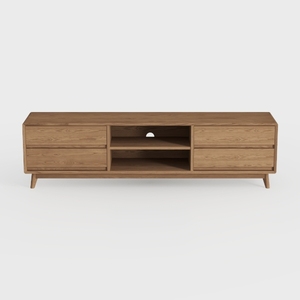
Mid Century Modern Solid Oak TV Stand With Storage Drawers 3D Model
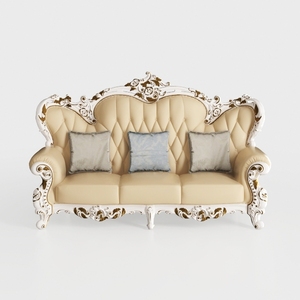
Baroque Luxury Leather Tufted Three Seat Sofa 3D Model
Homestyler is your go-to online home design platform! With its user-friendly design tool, stunning 3D renderings, and a wealth of DIY video tutorials, bringing your interior decoration ideas to life is easier and more inspiring than ever. Transform your spaces effortlessly!
Design Now for FREE
































