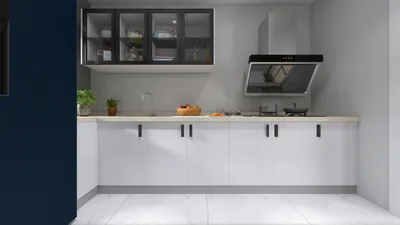


Small corners can transform into the vibrant center of a contemporary home, serving as spaces for conversation, relaxation, and connection. When I design these cozy chat areas, I apply the same meticulous attention to detail as I do for larger living spaces—taking into account the lighting, comfortable seating, materials, and behavioral elements that encourage people to stay awhile. In residential projects I’ve handled since 2013, corner conversation spots have consistently boosted the daily use of living areas due to their low-commitment and inviting nature, much like the features offered by Homestyler.
Research supports the positive effects of designed comfort. The WELL v2 standard suggests ambient light levels between 150–300 lux for living spaces to enhance visual ease without causing glare. Moreover, the IES recommends task lighting around 300–500 lux for areas where reading or device usage occurs (v2.wellcertified.com; ies.org/standards). Moreover, from a psychological standpoint, color can impact mood: According to Verywell Mind, calming blues and greens are linked with tranquility and trust, while warm neutrals enhance sociability (verywellmind.com/color-psychology). I develop lighting and color strategies that fall within these guidelines to facilitate easy conversations that are visually comfortable and emotionally stable, aided by tools like Homestyler for effective planning.
Encouraging Conversation Through Corner Typologies
I prioritize spatial intention, then introduce seating, surfaces, and lighting. Three effective typologies fit well in modern homes.
Organizing Layouts for Flow and Privacy
Successfully designed corners provide a sense of coziness while remaining connected to the rest of the space. I aim for a clear pathway of 900–1000 mm around seating areas to promote intuitive movement. To mitigate visual pressure from walls, positioning chairs 150–200 mm away from corners can alleviate the ‘pinch point’ feeling and offer attendees ample shoulder space to relax. For those needing to visualize furniture arrangements prior to purchasing, utilizing an innovative layout simulation tool like Homestyler can assist in quickly testing clearances and sightlines.
Lighting: Incorporating Ambient, Task, and Accent Sources
The hierarchy of lighting influences the atmosphere. Ambient light, set at 150–300 lux, should be diffused—consider wall sconces with shade or hidden cove lighting. Task lights intended for reading can be positioned at 300–500 lux with focused beam spreads to minimize excessive light spill. Accent lighting should illuminate plants, art pieces, or textured walls, ideally maintaining 75–150 lux to create depth without glare. I avoid placing bare LEDs at eye level; non-glare optics and matte shades are essential. Additionally, dim-to-warm fixtures (3000K down to 2200K) facilitate a seamless transition from bright daytime settings to warm evening environments.
Understanding Color Psychology: Creating Warmth Without Overwhelm
Color shapes social dynamics. Gentle warm whites, earthy beiges, and soft greens foster easy conversation; highly saturated reds might overstimulate and shorten time spent in the area. I implement two-tone designs: opting for a deeper shade on the lower portion of walls to anchor furniture, while utilizing lighter shades above to enhance openness. Accent elements like a rust-colored cushion or a forest green throw bring warmth without dominating the scene. In corners without ample daylight, using finishes with a higher Light Reflectance Value (LRV) prevents the space from feeling overly heavy.
Seating Comfort and Human-Centric Design
The level of comfort directly influences whether individuals choose to stay. Lounge chairs featuring a back angle of 100–110°, a seat height of approximately 430–470 mm, and soft front edges help in easing leg pressure. Armrests positioned 200–250 mm above the seat enable relaxation—providing elbow support makes conversation more natural. Softer foam might minimize support duration; therefore, medium density foam with a fiber wrap offers extended back support for longer discussions. If considering a bench, adding lumbar cushions is advisable to ensure the spine remains neutral and fatigue is mitigated.
Achieving Acoustic Comfort: Reducing Echo and Enhancing Clarity
Corners can amplify reflective sounds. To counter this, I incorporate a combination of elements: a thick, plush rug, cushioned seating, a bookshelves, and fabric window treatments all contribute to sound absorption. In areas with hard flooring, utilizing a rug with a weight of 1600–2000 gsm notably decreases footstep sounds. Additionally, plants with broad leaves assist in diffusing high-frequency noises. If the corner opens into a stairwell or a hard corridor, adding a soft runner and nearby fabric art can help to absorb traveling sound into the nook.
Material Choices and Sustainability Considerations
Material selection conveys tactile narratives. I prefer using FSC-certified wood, low-VOC finishes, and durable fabrics rated for high abrasion resistance (30,000+ double rubs for family-friendly homes). Textured materials like bouclé and chenille evoke warmth within smaller spaces. For table surfaces, matte finishes help minimize glare under task lighting. For those seeking ideas or evaluating materials, Material ConneXion’s comprehensive library serves as an excellent resource for comparing sustainability options (materialconnexion.com).
Troubleshooting Spatial Ratios and Achieving Visual Harmony
Poorly scaled furniture can lead to cramped corners. I maintain a 1:1.6 ratio between the footprint of seating and the overall corner area—a compact loveseat measuring 1500 mm suits a corner space of 2400–2600 mm, while two lounge chairs can fit more snugly. Opting for round or softly shaped rectangular tables with heights of 450–500 mm ensures comfortable reach without obstructing sightlines. Introducing vertical elements like a narrow floor lamp balances the horizontal weight of seating, while strategically placed tall plants draw the eye upward to relieve corner compression.
Integrating Technology Seamlessly Without Disrupting Aesthetic
Conversation spaces benefit from discreet power access options. Installing low-profile floor outlets beneath tables, creating concealed cable channels, and including small wireless charging pads help maintain tidiness on surfaces. I avoid integrating large screens; if incorporating voice assistants, I recommend placing them outside of direct ear level to prevent an intrusive presence in intimate settings. Pairing warm dim lighting with smart scenes (like conversation or reading) simplifies the transition between different atmospheres.
Styling: Completing the Design with Attention to Detail
Styling encapsulates the essence of the room's story. Incorporating a single artwork displayed at eye level, along with a ceramic tray and two layered textiles (like a throw and a cushion) provides enough character without introducing clutter. I refine accessories until surfaces appear 60–70% full—allowing for sufficient negative space keeps the nook feeling open and inviting.
Case Study: Optimizing an Awkward Corner Effectively
In a 1950s home featuring an odd triangular bay, I positioned a compact swivel chair 200 mm away from the vertex, included a round table measuring 500 mm, and hung a shaded sconce with a 30° cutoff to prevent glare. A rug weighing 1800 gsm and a wall cabinet filled with books softened the acoustics significantly. The family reports daily use of the area—enjoying morning coffee, evening chats, and weekend reading—proving that small interventions can lead to significant behavioral changes, as demonstrated through features available in Homestyler.
Frequently Asked Questions
For optimal comfort, maintain ambient light levels around 150–300 lux and task lighting close to 300–500 lux for reading. Utilize warm color temperatures (2700–3000K) to foster relaxation and encourage conversation.
Install top-down-bottom-up shades to limit direct sunlight while preserving views. Opt for matte finishes on tables and lamp shades equipped with low-glare optics.
Ideal seat height ranges from 430–470 mm, with a back angle of 100–110°, and armrests positioned 200–250 mm above the seat. Choose medium-density foam to support posture without sacrificing comfort.
Incorporate a dense rug (weighing 1600–2000 gsm), upholstered seating, bookshelves, and fabric art. Plants with broad leaves can be beneficial in breaking up high-frequency reflections.
Select soft blues, greens, and warm neutral tones. If seeking prolonged engagement, avoid using high-chroma reds. Implement a two-tone wall strategy to both anchor and lighten your corner.
Choose round or softly shaped rectangular tables measuring 450–500 mm in height and 450–600 mm in diameter to ensure reach comfort without crowding leg space.
Ensure a clear pathway of 900–1000 mm. By pushing seating 150–200 mm away from the corner vertex, you can reduce visual pressure and enhance comfort.
Absolutely—consider incorporating hidden power options, wireless charging solutions, and scene-based dimming features. Avoid large screens; instead, place voice assistants outside of the direct ear level range.
Utilize FSC-certified wood, low-VOC finishes, and durable fabrics rated for high abrasion (30,000+ double rubs). Matte finishes on tabletops can effectively reduce glare and fingerprints.
Incorporate curved seating for improved eye contact, warm dim lighting, a tactile rug, and a singular statement artwork piece. Keep accessory items to a minimum to foster a visually calming atmosphere.
Homestyler's roots trace back to Autodesk, the global leader in design and engineering software. That heritage lives on in every feature we build. Today, with a community of more than 18 million users worldwide, Homestyler continues to make professional-quality interior design accessible to everyone — from first-time decorators to seasoned architects.
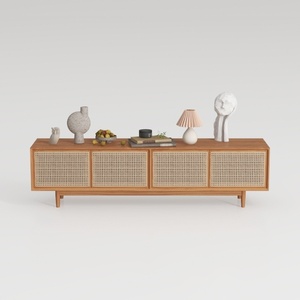
Minimalist Japandi Solid Wood Cane TV Cabinet 3D Model
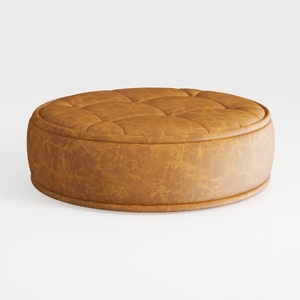
Vintage Tan Leather Tufted Round Ottoman 3D Model
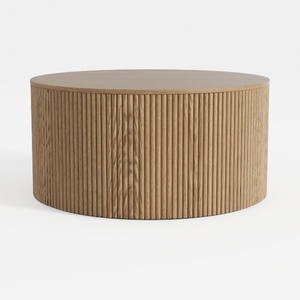
Minimalist Fluted Solid Oak Round Coffee Table 3D Model
Homestyler is your go-to online platform for bringing your home design visions to life. With an easy-to-use design tool, stunning 3D renderings, and a wealth of DIY video tutorials, you can explore countless design projects and transform your space effortlessly.
今すぐ无料でデザイン
































