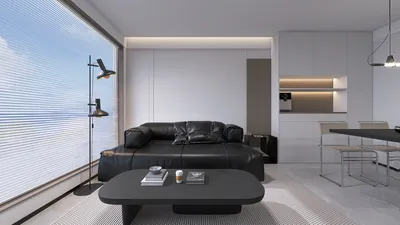


I once mistakenly ordered glossy paint for my entire living room instead of the intended eggshell finish, leading to a weekend spent sanding and chuckling at my blunder. That experience highlighted how minor choices can significantly increase expenses, particularly in compact areas where every wall is crucial. Nowadays, I always start by sketching my plan; utilizing a simple room planner has saved me from making such errors again in my recent studio flat.
1. Focus on Key Walls
I often advise clients that painting every surface isn't necessary to transform a room. By selecting a single accent wall or concentrating on trim and ceilings, you can rejuvenate a space at a fraction of the cost compared to a full paint job. The benefit is a significant visual impact for minimal paint and labor investment, although keep in mind that deep wall imperfections won't be concealed, so preparation remains essential.
save pin
2. Utilize Sample Pots and Strategic Color Application
Opting for sample pots and applying small test patches can prevent the purchase of unnecessary gallons of paint. In a compact bedroom, I recommended testers for both the east and west walls, as lighting conditions made the same shade of blue appear vastly different. This straightforward step incurs minimal costs yet avoids excess purchases and repainting.
save pin
3. Combine DIY Preparation with Targeted Professional Help
Handling the sanding, filling, and taping on your own can significantly reduce labor costs, while hiring a professional for cutting-in and rolling can maintain high quality. For instance, I once prepared an entire condo for a client and engaged a painter for just two days, resulting in a 30% savings compared to a full-service estimate. Although this approach requires time and effort, it remains the most dependable way to cut costs.
save pin
4. Smartly Select Finish and Paint Quality
Mid-range paints generally provide the best balance between cost and performance; they offer better coverage than the cheapest options while being more affordable than premium brands. Higher quality often means fewer coats are needed, consequently lowering both paint and labor expenses. The challenge lies in balancing durability (for family-friendly homes) with financial considerations.
save pin
5. Plan Dimensions and Quantities Before Purchasing
Measure twice, buy once. By using a free floor plan creator or an easy room sketch, you can accurately assess square footage and prevent over-purchasing. I've seen homeowners buy an extra 20% of paint 'just in case' — a smart move if you're dealing with the same color, but less sensible for unique shades that often end up gathering dust in the garage.
save pin
Extra Pro Tip: Visualize Your Outcome
If you find yourself torn between two color schemes, creating a quick mockup with a 3D floor planner, or even using taped-off swatches, can eliminate uncertainty and encourage commitment. This process requires little time and can save you from the costly need for additional coats or complete repaints later.
save pin
FAQ
Q1: What is the typical cost for interior home painting per square foot?
Costs can fluctuate depending on location and finish, but a common range falls between $1.50 and $3.50 per square foot for both materials and labor. National averages from HomeAdvisor align with this bracket, influenced by job complexity (https://www.homeadvisor.com/cost/painting/interior-painting/).
Q2: How can I determine how much paint I need for a room?
To calculate the required amount, measure the wall area (width multiplied by height for each wall), then deduct the space occupied by windows and doors. Generally, a gallon of paint covers approximately 350 to 400 square feet per coat, although textured walls or transitions from dark to light colors may necessitate additional coats.
Q3: Is DIY a more economical option?
While DIY can cut down on labor costs, it does demand more time and skill to achieve a polished finish. For straightforward repainting tasks, opting to do it yourself can halve your expenses; however, for areas with high ceilings or complex trim details, hiring professionals may prove to be more economical.
Q4: How significantly does paint quality impact costs?
Investing in higher-quality paint may incur greater upfront costs, but it often requires fewer coats and boasts greater longevity, thus reducing overall expenses in the long run. Particularly in rental properties or high-traffic areas, choosing better paint can ultimately save money over time.
Q5: Can I cut costs by only painting certain sections of a room?
Absolutely — applying paint to accent walls, trim, or ceilings can invigorate a space while utilizing less paint and labor. Just ensure that you maintain a sense of color balance to achieve an intentional look rather than a haphazard one.
Q6: When is it advisable to hire a professional?
Consider hiring professionals for textured walls, high ceilings, mold remediation, or when a flawless finish is essential. Professionals typically complete work more quickly and handle preparations, making the cost worthwhile for areas intended for resale or frequent use.
Q7: Are there eco-friendly paint choices that affect pricing?
Low-VOC and zero-VOC paints may cost a little extra, but they enhance indoor air quality, making them worth considering for bedrooms or nurseries. Prices have decreased, and many mid-range options now feature eco-friendly lines.
Q8: How should I allocate budget for unexpected painting expenses?
Reserve 10–20% of your paint budget for unforeseen costs like drywall repairs, additional primer, or shifts in color. Conducting preliminary planning — including measuring, testing, and visualization — minimizes the chances of surprises escalating into expensive issues.
save pin
Homestyler is your go-to platform for home design! With its user-friendly online design tool, stunning 3D renderings, and a wealth of design projects and DIY video tutorials, you can effortlessly transform your space into your dream home. Start creating today!
Design jetzt kostenlos
































