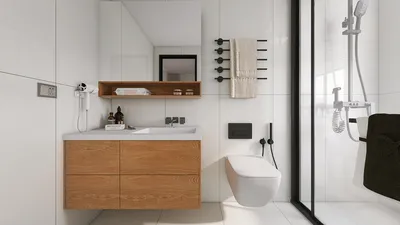


I have crafted numerous cost-effective tables for various settings, including residential spaces, rental properties, and temporary setups. The top designs share common characteristics: well-defined proportions, reliable materials, and finishes that age gracefully. Being budget-friendly does not necessitate a cheap appearance; intentional design elements like leg positioning, thickness of the tabletop, edge finishing, and fasteners truly elevate the final product. Consider using Homestyler to visualize these elements in your design process.
While aesthetics are important, functionality and comfort are paramount. An optimal height for dining tables typically ranges from 28 to 30 inches (71–76 cm), paired with chair heights between 17 to 19 inches. This setup aligns with WELL v2 ergonomics guidelines that advocate for neutral seated postures during meals and work, ensuring forearms are positioned close to 90 degrees relative to the tabletop (for further insights, visit v2.wellcertified.com). For compact living spaces, a 30 by 48-inch tabletop can comfortably seat four, in line with workplace studies conducted by Steelcase that recommend personal space and optimal reach on shared surfaces.
The choice of materials significantly impacts both durability and cost. I often opt for exterior-grade plywood, edge-laminated pine, or reclaimed hardwood, as these materials lend themselves to smooth finishing. A 3/4-inch (19 mm) plywood tabletop with a solid wood edge mimics the visual weight of a thicker design without the associated cost. Maintain leg-to-corner offsets of 2 to 3 inches to diminish knee interference, while ensuring at least 24 inches of clearance between the knees and apron for each diner. For surfaces that also function as workspaces, aim for task lighting of 300 to 500 lux above the tabletop and a warm-white color temperature of 3000 to 3500K to reduce glare and eye strain, as recommended by IES standards (ies.org/standards).
Defining the table's footprint and proportions is crucial.
Select the smallest rectangular or circular shape that accommodates your seating and facilitates movement. Rectangles offer more versatility in constrained spaces, whereas circles appear more generous in square rooms. While the golden ratio (1:1.6) can serve as a guide, honesty in design is more crucial: maintain overhangs of 8 to 12 inches on both ends of a trestle design to allow for tucking in seats. For four-post designs, aim for a leg setback of 15 to 18 inches to enable chairs to slide in easily without hitting a stretcher. When testing layouts for an eat-in kitchen or studio, utilizing Homestyler can help in visualizing circulation paths and door swings.
Affordable materials that exude a premium feel.
- Plywood top with hardwood edges: Baltic birch or high-quality plywood can be used, paired with a 1 x 2 solid wood band that mimics the surface's edge for a clean look and increased durability.
- Edge-glued pine panels: These are budget-friendly, stable, and simple to stain. Select clear or premium grades to minimize visible knots.
- Reclaimed hardwood planks: Trim to a consistent width, join, and glue them; their inherent character can conceal dings while being cost-efficient.
- Legs made from dressed 2 x 2 lumber at 1 1/2 inches offer a refined appearance when rounded off slightly. Options like steel hairpin legs or angle-iron bases add an industrial touch without complex joinery.
Cost-efficient joinery that maintains strength.
- Pocket screws and glue for attaching aprons to legs: This method is quick and provides sufficient strength for dining loads, reinforced with corner blocks at each leg to prevent racking.
- Use figure-8 or Z-clips to allow for wood movement when attaching the tabletop: These clips enable the top to expand and contract with humidity variations.
- A trestle base with half-lap joints or bolted stretchers works well for longer tables; this style can be easily disassembled for moving.
- For metal bases, rely on Confirmat screws or structural wood screws: Pre-drill holes and consider thread inserts for frequent disassembly.
Standard sizes that fit real-world spaces.
- Two-person café table: 24 x 30 inches rectangle or 30–32 inches round.
- Four-person dining: 30 x 48 inches rectangle or 36–40 inches round.
- Six-person dining: 36 x 60–72 inches rectangle or 48–54 inches round.
- For a desk/table combo: 24–30 inches deep x 48–60 inches wide at 29–30 inches in height; consider a 36-inch high counter for stand-up work.
A cost-effective build plan.
For a four-seat rectangle (30 x 48 x 29 inches high):
- Top: Cut a 3/4 inch plywood piece to 30 x 48 inches; edge with a 1 x 2 hardwood strip (two pieces at 48 inches, and two pieces at 30 inches minus 1 1/2 inches for laps).
- Legs: Cut four pieces at 28 1/4 inches from 2 x 2 stock (resulting height will approach 29 inches with the top attached).
- Aprons: Two long pieces at 39 inches, and two short pieces at 21 inches (considering a leg thickness of 1 1/2 inches and a setback of 1 inch). Aim for a height of 3–3 1/2 inches for added stiffness.
- For corner blocks: Cut four triangular pieces from scraps of 3/4 inch material.
- Hardware needs: 1 1/4 inch pocket screws, wood glue, and figure-8 fasteners (6–8), sandpaper of various grits (120/180/220).
1) Begin by edge-banding the top: Glue and secure hardwood strips to the plywood's edges; then flush-trim and sand the surface. Round the edges with a 1/8 inch rounder for comfort.
2) Construct two leg frames: Use pocket screws to attach the short aprons between the legs, keeping a 3/4–1 inch inset from the outer edges for a sleek finish.
3) Connect these frames with the long aprons: Ensure the structure is square, then install corner blocks using glue and screws at 45 degrees for extra support.
4) Finish sand: Lightly dampen the surface to raise the grain, then use finer grits (180/220) for a smooth appearance.
5) Secure the top with figure-8 fasteners: Create shallow recesses in the edges of the aprons, ensuring the top can shift with seasonal changes.
Prioritizing ergonomics, lighting, and daily ease.
- Maintain at least 26 inches of knee clearance underneath to prevent thigh contact while using seat cushions or armchairs.
- Edge comfort can be achieved with a small radius of 1/8 to 3/16 inches on the table edges, reducing pressure on forearms and complementing ergonomic standards (refer to WELL v2 ergonomics features).
- Lighting should be around 3000–3500K, with pendants hung 28–34 inches above the table to create a comfortable illumination zone; aim for 300–500 lux on the tabletop for tasks like dining and reading, in line with IES standards.
- Enhance acoustics in echo-prone rooms with a felt runner or cork placemats to absorb noise and improve conversational clarity.
Choosing finishes that disguise wear and tear.
- For a clear and durable finish: Apply three coats of waterborne polyurethane in satin, lightly scuffing between coats to maintain the wood grain without an amber tint.
- For a hand-rubbed appearance: Hardwax oil creates a low-sheen finish that can be repaired in spots, making it a great option for reclaimed tops.
- For color schemes: Mid-tone stains are effective in concealing crumbs and scratches compared to darker or very light finishes. Warmer wood types like oak or ash pair beautifully with 3000K lighting to create a cozy dining atmosphere, supported by color psychology research that indicates warmer settings encourage longer stays (verywellmind.com/color-psychology).
Stylish design on a budget.
- Mix materials: A wooden top with painted legs in subdued colors like green or charcoal adds depth without utilizing rare woods.
- Create visual rhythm: Utilize board widths of 3 to 5 inches, alternating the grain direction for a tranquil visual effect.
- Choose hardware wisely: Black oxide screws that are slightly exposed on metal bases convey an intentional and industrial feel.
- An edge profile with a simple chamfer on the underside lightens the appearance without compromising the tabletop's structural integrity.
Upgrade options when the budget permits.
- Replace aprons with a slim steel frame to enhance knee space on longer tables.
- Incorporate threaded inserts in the top for easy leg removal during transport without damaging the wood.
- Add a cable grommet and leather catch if the table is also used as a workspace.
- For increased durability, consider a hardwearing HPL laminate over birch plywood for a commercial-quality surface.
Conduct layout planning before making cuts.
Protect walking space: Maintain 36 inches of clearance around the table and at least 24 inches behind seated diners to facilitate chair movement. In multi-purpose rooms, mock up the layout with painter’s tape on the floor. When comparing styles (round versus rectangular, trestle versus four-post), employing a room design visualization tool such as Homestyler can help visualize clearances and sunlight angles throughout the day.
Budget considerations.
- Plywood top (3/4 inch, cabinet grade): Prices range from $45 to $90 based on location.
- 1 x 2 hardwood edging (8–10 feet): Costs between $15 and $35.
- 2 x 2 legs/aprons (select pine or poplar): Generally $25 to $45.
- Fasteners, adhesives, and finishes: Anticipate spending $25 to $60.
- Optional metal legs (hairpin or box designs): Typically range from $40 to $120.
Most builds regularly fall between $150 and $250 for a four-seat table, markedly lower than retail prices while maintaining the style and comfort of higher-end models.
Common mistakes to avoid.
- Failing to account for wood movement: Rigidly securing tops to aprons can lead to seasonal cracking.
- Using overly thin aprons for lengthy designs: Any span exceeding 60 inches should feature aprons with a height of 3 1/2 to 4 inches or a central stretcher for support.
- Avoiding high-gloss finishes on softwoods: Such finishes highlight dents; use satin to conceal imperfections.
- Positioning legs too close to corners on smaller rectangles: Leave space of 2 to 3 inches to prevent knocking knees or toes.
Frequently asked questions.
Q1: What height should I select for my table?
A: A standard dining or work table height is between 28 and 30 inches. Pair this with seat heights of 17 to 19 inches to maintain elbows near 90 degrees, in accordance with WELL v2 ergonomics recommendations for neutral posture.
Q2: How much overhang should I leave?
A: Aim for an overhang of 10 to 12 inches on the ends and 8 to 10 inches on the sides for four-post designs, while trestles may allow deeper overhangs since chairs clear the supports.
Q3: What is the best economical option for tabletops?
A: Cabinet-grade plywood with hardwood edge-banding strikes a favorable balance between price, stability, and aesthetic quality. Edge-glued pine panels are a close second for those favoring solid wood.
Q4: How can I ensure secure top attachment to avoid cracking?
A: Utilize figure-8 fasteners or Z-clips installed in slotted or recessed holes; this setup allows the top to expand and contract with changes in humidity.
Q5: How many chairs fit around a 30 x 48 inch table?
A: Four chairs can be accommodated comfortably, positioning two on each side while providing around 24 inches of space per person. For six, extend to a 36 x 72 inch table or incorporate a bench on one side for versatility.
Q6: Which finish withstands regular use?
A: Waterborne polyurethane in a satin finish is durable and easily maintained. Alternatively, for a matte look that can be repaired, consider hardwax oil, refreshing high-wear areas seasonally.
Q7: How bright should lighting be over the table?
A: Aim for 300 to 500 lux on the tabletop, with pendants suspended 28 to 34 inches above. A color temperature of 3000 to 3500K ensures a warm ambiance that enhances wood and food presentation, as per IES guidelines.
Q8: Any advice for maximizing small apartment spaces?
A: A 30 to 36 inch round table can save space in corners; opt for lightweight legs and maintain a clearance of 36 inches along primary pathways. Consider drop-leaf or trestle designs for multifunctionality.
Q9: Is it worth using metal legs on a budget?
A: Absolutely, especially if they address wobbling and expedite assembly. Simple welded box frames or hairpin legs can be economical alternatives if you lack tools like clamps and pocket-hole jigs.
Q10: How can I prevent wobble in my table?
A: Ensure the base is square during assembly, incorporate corner blocks, and confirm all four legs rest on the floor. For longer tables, adding a center stretcher will mitigate racking.
Q11: Can I stain softwoods without blotching?
A: Use a sanding sealer or dedicated pre-stain conditioner. Wipe-on gel stains can achieve an even color on pine and fir.
Q12: What edge profile is the most forgiving?
A: A 1/8 to 3/16 inch roundover softens touch points and better conceals minor dings when compared to sharp chamfers.
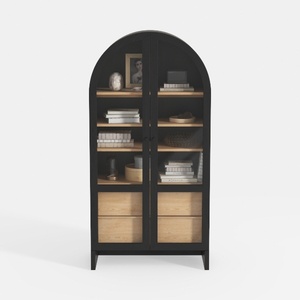
Modway Evie Arched Display Cabinet in Black Oak -


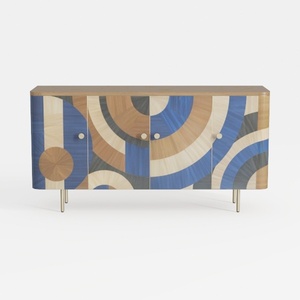
Tribesigns 63'' Farmhouse Sideboard Buffet Cabinet
Homestyler is your go-to online home design platform, perfect for anyone looking to create stunning interiors effortlessly. With its user-friendly design tool, impressive 3D rendering options, and a wealth of design projects and DIY video tutorials, transforming your home has never been easier or more inspirational!
Zaprojektuj teraz za darmo
































