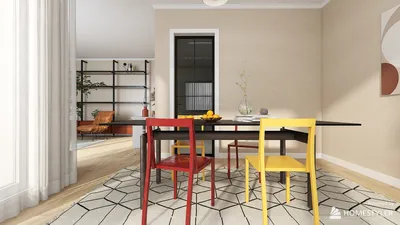


For years, I have been involved in pricing and overseeing room repainting projects, and I've consistently noticed that the overall expenses are influenced by the quality of preparation, the type of paint used, the condition of surfaces, and the efficiency of labor. Homeowners can typically expect to spend between $350 and $900 for repainting a standard bedroom (120-150 sq ft) with a mid-grade finish. This cost can exceed $1,200 when including ceiling repainting, trim work, repairs, and the application of premium coatings. Once you take into account factors such as square footage, paint coverage, and the time a painting crew dedicates to preparation, estimating costs becomes much clearer, especially with tools like Homestyler to visualize the space.
To set realistic expectations, professional teams generally cover approximately 250–400 sq ft of wall space per gallon of mid-sheen paint, though manufacturer specifications may differ. Labor typically takes between 3 to 8 hours for a standard room with well-maintained walls. Research into color psychology can also play a practical role in this discussion: Verywell Mind mentions that hues like blue and green tend to create a calming atmosphere, whereas yellow can promote energy—these choices often justify a slightly higher investment in premium pigments for enhanced depth and consistency. Moreover, the WELL v2 standard emphasizes the use of low-VOC paints to promote air quality indoors, which may add 5–20% to material costs but leads to reduced odors and off-gassing.
Many clients fail to recognize how significantly preparation affects costs. Issues such as dents, tape lines, glossy surfaces, and failed caulking may add up to 1-3 additional hours of work. When painting both the ceiling and trim, the most time-consuming aspects are masking and cutting in. Additionally, I consider light intensity: in areas exceeding 300-500 lux (common in task-lit environments according to IES standards), flaws become more apparent, making thorough sanding and priming essential, especially if utilizing design tools like Homestyler for layout planning.
Average Room Cost Ranges
When hiring professionals, here's a breakdown of typical costs associated with a single room:
These figures assume a mid-grade paint choice, light to moderate preparation, and standard ceiling heights of 8-9 feet. You may need to add 10-20% for darker colors that require more coats, for heavily textured walls, or for taller ceilings.
What Drives the Number
Labor comprises the majority of the total cost. For a straightforward repaint with clean, matte walls, it typically takes 3-5 hours with two painters. When transitioning from a glossy finish to matte and undertaking repairs, this can extend to 6-8 hours. Tasks involving trim, built-ins, or intricate geometry further slow down the process.
In living spaces, mid-grade eggshell paint strikes the perfect balance between quality and affordability. Higher-end products feature superior binders and pigments, which enhance coverage and scrub resistance—making them a worthwhile investment for deep, saturated colors. Though semi-gloss on trim may incur extra prep time to prevent flashing, its durability against scuffs is beneficial in the long run.
The tasks of spackling, sanding, stain blocking, and priming quickly accumulate. If I can glide a light across a wall and detect ridges, it signals a need for more time in the budget. Issues such as water stains or smoke damage necessitate sealing primers, which can increase both material costs and setup complexities.
When it comes to ceilings, expect additional costs that range from $150 to $350 based on size and condition; trim work costs between $2 and $4 per linear foot. Features like crown molding, wainscoting, and paneled doors can significantly increase costs due to their intricate cutting and drying requirements.
Calculating Your Own Estimate
To get started, calculate the wall area by measuring perimeter times height minus windows and doors, then compare it against paint coverage. A gallon usually covers smooth walls between 300 to 400 sq ft, which serves as a reliable benchmark. If you're changing from a darker to a lighter color, plan for two coats plus a tinted primer. For labor, break it down into tasks: patching/sanding (30-90 minutes), masking and covering (30-60), cutting in (60-120), rolling (60-120), and cleanup (20-40). Include ceiling and trim expenses for an accurate estimate.
Color, Lighting, and Perceived Quality
Choosing color extends beyond mere preference; it also involves performance considerations. Blues and greens often create peaceful environments for bedrooms; warmer neutrals can enliven living spaces without causing glare. Highly saturated colors may show application marks under bright lighting, making the selection of better paint and ensuring controlled lighting during application crucial. Moreover, WELL v2 recommends prioritizing visual comfort and material health; opting for low-VOC paints aligns with these principles and can minimize odor-sensitive downtimes.
Light Matters for Finish Selection
Under bright task lighting, semi-gloss can highlight surface imperfections; however, in softer ambient light, eggshell finishes can appear more forgiving. I aim for 2700-3000K warm lighting in living areas and 3500K neutral lighting for kitchens or workspaces, steering clear of high-gloss finishes unless texture is impeccable. Utilizing portable work lights at around 300-500 lux helps reveal flaws before the paint cures.
When DIY Makes Sense
If your walls are smooth and you plan to stay within a similar sheen and color family, a DIY approach can cost anywhere from $80 to $200 for materials (including rollers, trays, tape, drop cloths, and 1-2 gallons of paint). Don't forget safety gear and a high-quality angled brush. Expect to invest 6-10 hours for a thorough solo project. If your room layout changes or furniture density complicates the process, pre-planning the arrangement can assist—consider using a room layout tool like Homestyler to simulate the clearances and staging needed.
Where Pros Earn Their Keep
Professional painters provide crucial benefits such as dust control, speed with precise lines, safe ladder operation, and the keen ability to identify when priming is essential. They orchestrate drying times effectively across walls, trim, and doors. In homes with children or pets, the rapid turnaround and the application of low-VOC paints may justify their premium pricing.
Minimizing Cost Without Compromising Quality
References and Standards
For further insights into color psychology and its effects on mood, refer to Verywell Mind. The WELL v2 standard provides recommendations on VOCs and air quality, which inform paint selection and scheduling decisions while maintaining budget constraints.
FAQ
For smooth surfaces, one gallon usually covers 300-400 sq ft per coat. Measure your wall area and multiply by the number of coats needed, remembering to add 10-15% for cut-ins and roller absorption.
Using primer is essential when altering sheens, painting over stains, or transitioning from dark to light colors. A tinted primer can reduce the number of finish coats necessary.
Low- and zero-VOC paint options may add about 5-20% to the material costs, but they provide benefits in reducing odors and enhancing indoor air quality, as highlighted by WELL v2.
In a typical bedroom, ceilings add around $150 to $350, while trim work costs between $2 to $4 per linear foot, with higher rates for detailed profiles and paneled doors.
Eggshell finishes offer a balance between cleanability and flaw tolerance. Semi-gloss is preferred for trim and doors, while matte finishes can conceal imperfections but mark more easily.
For a standard room, labor hours typically range from 3 to 8 hours depending on preparation, sheen changes, and whether you're including ceiling and trim work.
Indeed, saturated or very dark colors often require additional coats and benefit from higher quality paint to avoid lap marks, which can lead to increased labor and material costs.
High light levels (300–500+ lux) can reveal surface imperfections and lap marks. Adjusting color temperature and choosing the right sheen can help manage glare and its perception.
With smooth walls and minimal repairs needed, DIY materials cost between $80 and $200. Be prepared to invest 6-10 hours for careful work and plan the staging to protect your floors and furniture.
To enhance indoor air quality, specify low- or zero-VOC products and ensure proper ventilation. Schedule your painting at times when you can keep windows open or utilize air filtration during drying.
Sideboard Buffet, Kitchen Storage Cabinet with

Tribesigns 47" Round Dining Table for 4, Farmhouse

POLY & BARK Douro Side Table
Homestyler is an ideal platform for your home design needs. Its user-friendly online design tool allows you to create stunning interior spaces effortlessly. With incredible 3D rendering, inspiring design projects, and helpful video tutorials, you can turn your vision into reality seamlessly.
今すぐ无料でデザイン
































