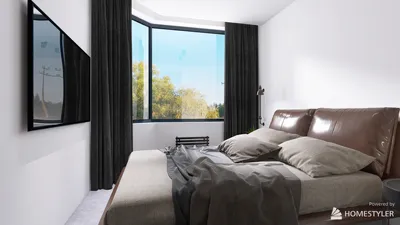


With over a decade of experience in interior design, I have witnessed the transformative power of a well-chosen area rug in a living room. Nowadays, rugs have evolved beyond mere functionality to become statements that shape your interior style. Particularly in compact living spaces like modern apartments, creativity flourishes. In this article, I will unveil 10 contemporary area rug ideas for living rooms, combining insights from my projects and industry experts along with invaluable tips from Homestyler.
1. Minimalist Neutral Tones
My Perspective: A soft beige or gray rug creates an instant sense of calm. Recently, I incorporated a neutral wool rug into a project, and it truly unified the living area, making it feel more open and harmonious.
Advantages: Neutral rugs effortlessly blend with various furniture styles and color palettes, making them a safe, long-term investment. They foster visual continuity that is especially beneficial for smaller living rooms.
Disadvantages: Those who lean towards bolder aesthetics may find neutral tones too understated. Moreover, lighter shades are prone to showing stains more easily.
Suggestion: To inject some personality, combine a neutral rug with textured cushions on your sofa, avoiding a bland appearance.
2. Geometric Patterned Rugs
My Perspective: Bold geometric designs can infuse any space with a modern vibe. For instance, I've used a striking black-and-white diamond-patterned rug in my own living room to delineate seating areas, adding both playfulness and structure that guests always admire.
Advantages: Geometric patterns add visual excitement, disrupt monotony, and blend seamlessly into modern or mid-century décor. Additionally, they can help conceal spills and wear effectively.
Disadvantages: Vibrant patterns may overpower smaller areas unless harmonized with simpler furnishings.
Consider how L-shaped arrangements can enhance design freedom when paired with statement rugs from Homestyler.
3. Layering Rugs
My Perspective: By layering a smaller patterned rug over a larger neutral one, depth is created effortlessly. I first implemented this technique in a compact loft to design distinct areas without bulky dividers.
Advantages: This approach allows for texture and pattern mixing, easily refreshing your design without needing to replace the foundational rug.
Disadvantages: Successful layering calls for meticulous alignment as the rugs can slide if not secured by furniture.
4. Textured Natural Fiber Rugs
My Perspective: Jute and sisal rugs bring a natural and earthy ambiance. I incorporated one in a coastal-themed living room, instantly adding warmth to the overall look.
Advantages: These materials are durable, eco-friendly, and evergreen, making them perfect for high-traffic areas while aligning beautifully with modern organic trends.
Disadvantages: Some options may be rough underfoot and are not ideal for lounging directly on the floor.
5. Bold Color Accent Rugs
My Perspective: In a predominantly monochromatic space, a vibrant mustard or teal rug placed under the coffee table can drastically alter the room’s dynamics. It’s akin to showcasing a beautiful piece of art on the floor.
Advantages: These rugs serve as striking focal points and provide an effortless way to refresh a space with the changing seasons.
Disadvantages: Bright rugs tend to fade faster in direct sunlight and could limit future color scheme flexibility.
6. Oversized Rugs for Small Spaces
My Perspective: Surprisingly, an oversized rug can make a small living room appear more expansive. I once utilized a spacious 9×12 rug in a studio apartment, creating an impression of grandeur.
Advantages: An oversized rug visually expands the room by anchoring all furniture, imparting a cohesive and luxurious feel.
Disadvantages: It often comes at a higher price and requires precise measurements to prevent awkward wall gaps.
Explore how larger rugs seamlessly complement open-plan living areas, especially when space is limited.
7. Monochrome Rugs with Subtle Texture
My Perspective: I frequently opt for tone-on-tone textured rugs, such as gray with raised patterns, which maintain a simple color palette while avoiding dullness.
Advantages: These rugs offer sophistication and subtlety, concealing light wear while maintaining a minimalist aesthetic.
Disadvantages: They may lack excitement, potentially appearing too cautious for daring decorators.
8. Vintage or Distressed Rugs
My Perspective: A handwoven vintage rug brings inherent character to a space. During a recent renovation, it strikingly complemented a sleek modern leather sofa.
Advantages: Each vintage piece possesses a timeless charm, unique character, and often a fascinating backstory, plus they naturally camouflage wear.
Disadvantages: Authentic vintage can be pricey and requires gentle cleaning to maintain the integrity of the fibers.
9. Graphic Black and White Rugs
My Perspective: High-contrast designs can make any area pop. I used a striking striped rug to harmonize a black coffee table with a white sofa, instantly creating a designer-like aesthetic.
Advantages: These rugs pair well with nearly any accent color, providing a crisp, clean appeal that photographs beautifully.
Disadvantages: Striped patterns can create visual illusions and may attract lint more than solid colors.
Consider pairing this idea with open shelving to create a seamless transition from living space to kitchen.
10. Custom Shape Rugs
My Perspective: Opting for non-rectangular shapes can invigorate a room's energy. A circular or organically shaped rug under a round table can soften a space beautifully.
Advantages: Perfect for uniquely shaped rooms, these rugs introduce fun and unexpected elements to your design.
Disadvantages: Sourcing the right fit can be challenging, and custom shapes may come at a higher price point.
Conclusion
For me, selecting a modern living room rug transcends mere comfort; it's about solidifying your design vision. It’s true that small spaces often spur innovative and creative rug selections rather than stifle them. As noted by Elle Decor, rugs “define the conversation area” in open layouts. Which of these 10 contemporary ideas, possibly featuring innovative options from Homestyler, do you find most intriguing for your personal space?
FAQ
1. How can I select the proper rug size for my modern living room?
Measure your seating area while ensuring that all front legs of your furniture rest on the rug. This promotes cohesion and prevents an isolated ‘floating’ rug effect.
2. Which rug materials work best for high-traffic living areas?
Wool and natural fibers like jute or sisal offer durability. The Carpet and Rug Institute states that wool naturally resists staining and retains its shape effectively.
3. Is it feasible to layer rugs in compact spaces?
Absolutely! Layering aids in defining areas while adding a layer of texture without cluttering the space. Secure them with furniture to prevent slipping.
4. Are geometric patterns still in vogue?
Certainly! Striking geometric designs continue to represent modern aesthetics and pair excellently with minimalist furniture.
5. How frequently should I clean my area rug?
Regular vacuuming is advisable weekly, with professional deep cleaning recommended every 12 to 18 months to extend its lifespan.
6. Do oversized rugs fit well in small apartments?
Yes, provided they are proportionate. An oversized rug can enhance the perception of space and luxury.
7. Are vintage rugs appropriate for contemporary spaces?
Definitely. Vintage rugs can introduce warmth and distinctive character to sleek, modern environments.
8. How can I make a rug the centerpiece of my room?
Opt for a bold color or a striking design while keeping the surrounding furniture simple. For ideas, explore how patterned rugs can transform open layouts.
Homestyler is your go-to online home design platform! With its user-friendly design tool, stunning 3D renderings, and a wealth of inspiring design projects and DIY video tutorials, transforming your space has never been easier or more enjoyable. Start creating your dream home today!
Design Now for FREE
































