

Having organized numerous weddings and community events in tier-2 and tier-3 cities, I've found that locations like Sai Bhavan Marriage Hall hit the perfect balance of space, accessibility, and affordability. In this guide, I will detail the hall's key features, considerations for its location, and a comprehensive booking strategy—all while sharing creative design tips to enhance guest comfort and movement. Plus, using tools such as Homestyler can further assist in planning your space effectively.
Before selecting any wedding venue, it's crucial to evaluate it against standards of comfort and logistics. According to WELL v2, maintaining ambient noise levels between 40–45 dBA in general areas is ideal, with added speech privacy for sensitive locations. For lighting, I target 300–500 lux in dining areas and 500–750 lux for stages and preparation areas, aligning with the recommendations from IES (ies.org/standards). Also, seating ergonomics are vital; Herman Miller’s research indicates that supporting proper posture and allowing breaks can significantly enhance perceived comfort, translating seamlessly to banquet settings where guests may be seated for long periods. These foundational elements ensure a high-quality, measurable event experience.
Essential Venue Features to Consider
Most marriage halls in this category typically provide a spacious main hall accommodating 300–800 guests in theater or banquet configurations, along with a raised stage for ceremonies, a foyer for pre-function gatherings, and standard green rooms. Look for unobstructed floor layouts as having fewer columns can enhance sightlines; ideal ceiling heights should be around 12–16 ft for optimal acoustics and decoration placement. Additionally, check for a loading bay allowing direct access for catering services. Ensure that Sai Bhavan offers a 3-phase power connection and confirm the total available kVA; planning 80–120 kVA is advisable for mid-scale weddings that involve live sound and stage lighting. For comfort, it’s also essential to verify that the air conditioning is appropriately sized at approximately 1 ton per 250–300 sq ft in mixed-use conditions.
Location and Accessibility Insights
Successful venues have good access: a road width of 6–8 m can accommodate coach buses and vendor trucks. It’s important to prioritize the venue’s proximity to transit options and to ensure at least 60–100 parking spaces are available for mid-size events. The foyer should also facilitate queuing without obstructing the street, and it’s beneficial to have a separate service entry to keep catering activities discreet and safe from guests.
Space Design: Flow, Ratios, and Comfort Considerations
Effective layouts help minimize congestion. Allocate about 14–18 sq ft per guest for banquet-styled seating, including aisles and service areas. Aim for aisles measuring 1.8–2.2 m to facilitate main flow and 1.2 m around buffet areas to prevent lines from becoming messy. The mandap or stage should be placed directly opposite the main entrance, maintaining a clearance of 1.2–1.5 m to the front row to accommodate photographers and ceremonial activities. If you're experimenting with furniture arrangements, utilizing a layout design tool like Homestyler can help visualize seating density and circulation before finalizing your rentals.
Lighting: Ceremony-Ready Without Harshness
A multi-layered lighting strategy is always effective: maintain ambient light at 300–500 lux across the hall, and increase it to 600–750 lux on the stage for exceptional photography. Ensure CRI is at least 80 for excellent color rendition of skin tones and fabrics. Reduce glare by angling spotlights at 30–45° towards faces and incorporating diffusers along buffet tables. Additionally, warm-white lighting (2700–3000K) should be used in dining areas to foster a welcoming atmosphere, while neutral-white (3500–4000K) at the stage will highlight details sharply. Don’t forget to install dimmable circuits to set the right mood from ceremonies to receptions.
Acoustic Considerations: Clear Speeches and Enjoyable Music
Venues with hard surfaces can create a booming effect. Aim for an RT60 of 0.9–1.2 seconds for clear speech in larger areas; soft décor such as fabric backdrops, tablecloths, carpets, and acoustic panels behind the stage can considerably help. Position PA speakers away from the corners to prevent bass buildup and leverage cardioid sub configurations if feasible. During dining, keep background music levels at 65–70 dBA to facilitate conversation among guests without interruption.
Psychology of Color: Creating the Right Atmosphere
The influence of color on experiences cannot be underestimated: warm palettes (like gold, saffron, and coral) promote sociability, while cooler shades (such as teal and emerald) introduce a calming contrast. Research from Verywell Mind shows that warm tones are associated with energy, while cooler colors invite relaxation—employ warm-white lights to enhance vibrant hues while allowing neutral backgrounds to assist in photography.
Green Rooms and Back-of-House Considerations
For bridal suites and green rooms, focus on privacy, cooling, and adequate task lighting around 500–750 lux for makeup. Ensure the presence of full-length mirrors, garment racks, and a mini pantry. The back-of-house area should include handwashing stations for catering staff, waste segregation points, and fire-rated doors leading to service zones.
Safety and Regulatory Compliance
Verify emergency exit widths (often a minimum of 1.2 m per door as per local regulations), ensure illuminated exit signs are present, have fire extinguishers placed every 15–20 m, and maintain a sprinkler or hydrant line as necessary per local bylaws. Request the most recent electrical safety certificates and AC maintenance records, especially prior to peak event seasons.
Booking Recommendations: Dates, Contracts, and Cost Management
Consider creating a shortlist of two date ranges to enhance the likelihood of securing a booking. Request a detailed cost breakdown covering hall rental, AC usage hours, decorative access, stage lighting, cleaning services, generator fuel, and overtime costs. Also, secure a rehearsal time slot if your rituals require extensive choreography. When engaging with décor vendors, share your finalized layout drawings to minimize last-minute adjustments—an interior layout planner or using Homestyler can streamline communication among vendors.
Catering and Service Logistics
Confirm whether the venue offers in-house catering or permits external vendors to utilize kitchen facilities. For buffet service, plan for one counter per 80–100 guests, facilitating dual-side service for high-demand menu items. If placing live food stations, consider separating them from main seating areas to handle smoke and guest queues efficiently.
Enhancing Guest Experiences
Minor enhancements can yield significant improvements: think about mobile water stations near the dance floor, designated stroller parking in the foyer, tactile signage to assist older guests, and ensuring an accessible restroom is nearby. If outdoor space is available, incorporating bistro lighting and cozy seating arrangements can alleviate crowd congestion.
Budgeting Guidelines
Allocate your budget strategically: 30–40% for venue and basic infrastructure, 25–35% for catering, 15–25% for decoration and production, and 10–15% for photography and entertainment, while keeping a contingency of 5–8% to handle any additional expenses such as extra power needs, overtime, and additional seating arrangements.
Final Checklist Before Signing
- Verify capacity based on your selected layout (theater, banquet, or mixed)
- Check power availability (kVA), backup generators, and fuel policies
- Confirm AC system tonnage and included service hours
- Review the décor access timeframes and height restrictions
- Validate stage dimensions and load limitations
- Count available parking spots and manage traffic flow
- Assess fire safety compliance and insurance coverage
- Ensure availability of adequate green rooms, restrooms, and accessibility features
- Familiarize yourself with vendor regulations, deposits, and overtime charges
Frequently Asked Questions
Most mid-size venues can accommodate 300–800 guests depending on the layout selected. Note that banquet seating will typically reduce overall capacity compared to theater arrangements. Always check the usable floor area and aisle widths before making your final decision.
Aim to achieve 600–750 lux of lighting on stage and 300–500 lux in dining areas, adhering to the IES recommendations for visual comfort and photography effectiveness.
For optimal acoustics, combine soft finishes such as carpets, drapes, and fabric panels with a well-distributed audio system. Target an RT60 of approximately 0.9–1.2 seconds for clear speech, and avoid placing speakers in corners to minimize sound issues.
Ensure main pathways are approximately 1.8–2.2 m wide and allow for buffers of 1.2 m around food service stations. This will prevent congestion and ensure safe navigation for staff and guests alike.
Utilize warm-white lighting (2700–3000K) in reception areas to create an inviting atmosphere and neutral-white lighting (3500–4000K) on stage for precision in detail visibility. Aim to keep the CRI above 80 for a natural representation of skin tones.
For mid-size weddings requiring AC and sound in addition to stage lighting, a budget of 80–120 kVA is recommended, based on venue capacity and equipment load. Always verify the venue's 3-phase power supply and generator backup capabilities.
Common budget allocations include 30–40% for venue and infrastructure costs, 25–35% for catering, 15–25% for decorative and production expenses, and 10–15% for photography and entertainment, while maintaining a 5–8% buffer for unforeseen expenses.
Yes, using a room design visualization tool, such as Homestyler, allows for testing different seating arrangements, sightlines, and pathways. This can significantly reduce inefficient setups on the event day by pre-aligning layouts with vendors.
To ensure a successful booking, aim to schedule 4–6 months in advance for the peak wedding season; popular auspicious dates may require even earlier arrangements. Always have a backup date range ready.
Confirm critical aspects such as capacity limits, rental hours, power supply, AC details, accessible décor timeframes, overtime rates, vendor guidelines, fire safety compliance, and insurance conditions before finalizing any agreement.
WELL v2 guidelines recommend maintaining ambient sound levels of 40–45 dBA in main spaces and effectively managing peak sound levels, ensuring clear communications during events without excessive noise.
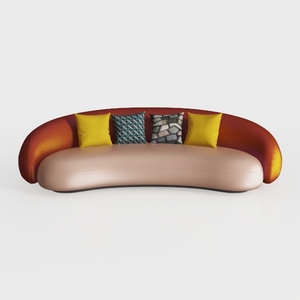
Modern Sectional Sofa Set - with Coffee Table and
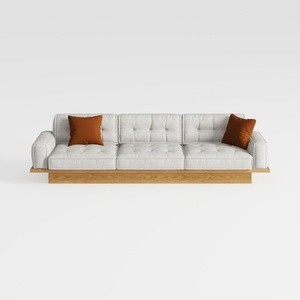
Modway EEI-6401-IVO Oasis Upholstered Fabric Sofa,
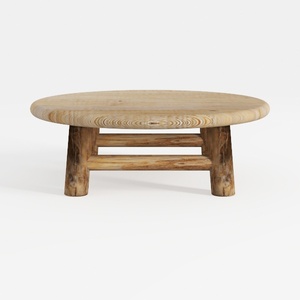

Round Wood Coffee Table - 29.53" Wooden Coffee
Homestyler is an outstanding online home design platform that empowers you to create stunning spaces effortlessly. With its user-friendly design tool, impressive 3D renderings, diverse design projects, and helpful video tutorials, you can transform your home ideas into reality in no time!
Design Now for FREE
































