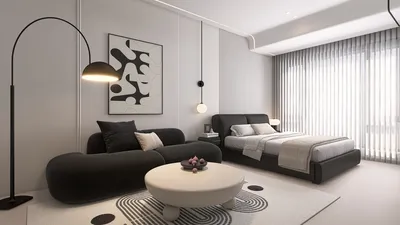


I've crafted numerous compact workspaces in apartments where maximizing every square inch is essential. A small writing desk can be functional and stylish—when designed well, it can offer ergonomic support, a serene aesthetic, and adaptability to handle both intense focus sessions and routine activities. The vital factors to consider include dimension, airflow, and efficient cable management, which are key aspects supported by tools like Homestyler.
Space efficiency and productivity can coexist harmoniously. The WELL v2 standard emphasizes that designated working areas with ideal ergonomics can reduce physical strain and heighten efficiency, while its Light concept advocates for effective glare management and suitable lighting levels for cognitive clarity. Research from Steelcase reveals that visual and acoustic comfort heavily influences sustained attention—particularly in smaller, multifunctional spaces. To illustrate, a worksurface measuring 24 to 30 inches (61 to 76 cm) in width and 16 to 20 inches (41 to 51 cm) in depth is optimal for laptop usage while allowing for movement and storage. Lighting should be maintained at about 300 to 500 lux, paired with a color temperature ranging from 3000 to 4000K for a warm-neutral ambiance, aligning with IES standards for desk activities.
In smaller homes, understanding behavior patterns is crucial. When a surface serves multiple purposes such as dining, sorting mail, or charging devices, it should facilitate quick transitions. I prefer a layered approach featuring a sleek table, a mobile pedestal, a wall shelf, and a cable management system. This setup fosters proper posture and a neat visual line—less clutter leads to a more tranquil space.
Idea 1: Slim Wall-Mounted Writing Ledge
A 4 to 6 inch (10 to 15 cm) deep wall-mounted ledge can act as a convenient note-taking station or a laptop holder. Combine it with a counter-height stool and an overhead shelf for documents and greenery. Position the ledge at 28 to 30 inches (71 to 76 cm) high for comfortable seating; a thin LED light beneath the shelf can provide soft, glare-free illumination. This concept is particularly effective for hallways with limited movement space and is easily designed using Homestyler.
Idea 2: Fold-Down Secretary Desk
A foldable panel can seamlessly switch from a decorative piece to a writing desk in moments. When closed, it merges with cabinetry; when open, it reveals a worksurface measuring 16 to 18 inches deep. Utilize concealed hinges with soft-close features, a magnetic latch, and a cable outlet directed toward a compact power strip. I favor a matte finish to minimize glare and a cork lining for attaching notes while absorbing sound.
Idea 3: Narrow Console with Ergonomic Features
A narrow console table, 10 to 14 inches deep, can serve as an elegant writing station if ergonomically tailored with a rounded front edge, centralized power access, and a minimum leg clearance of 23 inches (58 cm). Integrate a lamp with a shielded diffuser to ensure uniform lighting across the surface. A slim drawer, only 2 to 3 inches high, can neatly store writing tools and cables without intruding on legroom.
Idea 4: Window Sill Extension Desk
Extend the window seat using a custom hardwood or compact laminate slab, supported by brackets. Natural light boosts alertness, but managing glare is vital. Position the desk perpendicular to the window to reduce direct light hitting the screen; add sheer curtains to soften brightness while ensuring 300 to 500 lux on the working surface.
Idea 5: Corner Table for Space Optimization
Corner spots naturally anchor small rooms. A triangular or quarter-round table with 24-inch sides maintains flow while providing adequate space for a laptop and notebook. The rounded front enhances comfort for legs and arms, making it easier to type and sketch with agility.
Idea 6: Rolling Micro Pedestal with Clamp-On Surface
A clamp-on surface measuring 18 to 22 inches wide attached to a storage pedestal can turn any spot into a makeshift writing area. It can be easily rolled out of the way for guests. Cables can be channeled through the pedestal, and a lamp with a glare cap can be mounted to manage reflections on paper.
Idea 7: Dining Table as a Versatile Writing Area
In studio apartments, the dining table often serves a dual purpose. Create a micro work kit including a compact tray, wireless keyboard, pencil holder, and a cable organizer that can be cleared away in less than 30 seconds. Opt for a matte tabletop to minimize reflections. For maintaining layout flexibility, consider employing a room layout tool to visualize traffic patterns and furniture placement effectively, making it easy to integrate with tools like Homestyler.
Idea 8: Ladder Desk with Built-in Shelves
A ladder-style unit can lean against the wall, combining a small desk area measuring 12 to 16 inches deep with upper shelves for storage and lighting. In tight quarters, a vertical design draws the eye upward, enhancing the illusion of height. Cable clips on the rear supports keep the setup tidy.
Idea 9: Floating Desk Above Radiator
If there's a radiator cover or narrow console beneath a window, consider adding a floating desk panel with heat-safe clearance above it. Compact laminate is preferable here due to its greater temperature resilience compared to solid wood. Allow leg space below and incorporate a small footrest to maintain ergonomic posture for longer writing tasks.
Idea 10: Nesting Tables for Dynamic Workspaces
Nesting tables provide varying heights and quick rearrangements. Utilize the taller one for writing while tucking the smaller one underneath when not in use. Aim for a working height of 30 to 32 inches for most users seated at a height of 17 to 19 inches to keep elbows aligned.
Lighting, Color, and Acoustic Comfort
Compact spaces often amplify lighting and sound challenges. Proper task lighting at 300 to 500 lux minimizes squinting; a 3000 to 4000K bulb offers a warm tone conducive to focus. Should glare emerge, modifying brightness and angling the lamp 30 to 45 degrees can help. Select calming colors such as soft blues and muted greens while maintaining warmth in neutrals to keep the atmosphere inviting. Utilizing felt pads under items, a cork desk mat, and a small rug can mitigate sound reverberation.
Considerations for Chair and Table Dimensions
Your elbows should ideally form a 90 to 100-degree angle and shoulders should remain relaxed; the monitor should rest at eye level. For laptop usage, a slim riser coupled with an external keyboard upholds neck alignment. If a desk is shared by multiple users, opt for an adjustable chair with breathable support, implementing a simple guideline: feet flat, knees roughly at 90 degrees, and forearms parallel to the worksurface.
Effective Storage and Cable Management Solutions
In compact areas, visual clutter can contribute to spatial disarray. Designate one drawer for essentials and one vertical file for pressing documents; anything else should go digital. Route cables through grommets, use an under-desk tray, label chargers, and consolidate with a single surge-protected power strip. A small peg rail above the desk can stylishly manage headphones and pouches without encroaching on desk space, enhancing organization with the help of tools akin to Homestyler.
Choosing Materials for Sustainability
Opt for compact laminate, bamboo plywood, and FSC-certified veneer that offer strength while maintaining a minimalist aesthetic. Low-VOC finishes are essential for good indoor air quality. If you're prone to spills, consider a soft-matte high-pressure laminate. Quality hardware like soft-close slides, cable grommets, and rounded edges significantly increase everyday comfort.
Analyzing Workflow Patterns in Compact Living
Take note of your daily movements. If morning rituals include journaling and quick laptop use, placing a small desk near a light source will ensure it gets frequent use, as opposed to a corner that remains hidden. For evening writing sessions, installing adjustable warm lighting can help transition the room’s ambiance. Secure the table in locations where you naturally pause—such as by the window, near literary collections, or close to the kitchen for convenient tea breaks.
Planning Your Space Layout
When optimizing limited space, ensure to outline clear pathways. Aim for 30 to 36 inches (76 to 91 cm) of circulation behind the chair if possible; you can manage with 24 inches if the area sees little traffic. For constrained studio settings, simulating paths and chair movement using an interior layout planner can help avert conflicts between storage units and seating arrangements. Utilizing tools like Homestyler can further assist in visualizing functional layouts.
Frequently Asked Questions (FAQ)
For laptop and notebook setups, a depth of 16 to 20 inches (41 to 51 cm) is adequate; a range of 20 to 24 inches will provide enhanced wrist alignment and flexible lamp positioning.
Aim for worksurface illumination in the 300 to 500 lux range with a 3000 to 4000K light to create the ideal balance of clarity and comfort. Position lamps strategically to avoid direct glare.
Utilize a laptop riser alongside an external keyboard; position the top edge of the screen near eye level while keeping forearms parallel to the desk.
Subdued blues, soft greens, and warm neutral tones are effective for maintaining tranquility and minimizing visual fatigue. High-chroma accents should be kept minimal for best results.
For a desk height of 28 to 30 inches, seat height should be set around 17 to 19 inches to accommodate the majority of users; adjust this so that elbows are at roughly 90 to 100 degrees.
Leverage grommets, under-desk trays, and a single surge-protected power bar for cable management. Clearly label cables and limit access to only essential chargers.
Indeed—ensure quality wall anchors, concealed hinges with soft-close functionality, and limit the maximum load to laptops and papers. For wider panels, add a center bracket for enhanced stability.
Aim for comfortable movement space of 30 to 36 inches; 24 inches can work well in low-traffic areas if a compact chair is chosen.
Absolutely—develop a portable work kit (tray, keyboard, pencil holder) and select a matte tabletop. You should be able to clear the kit in less than 30 seconds after use.
Compact laminate, bamboo plywood, and quality veneers provide an optimal blend of durability and slim profiles; finish with low-VOC matte coatings to mitigate glare in these spaces.


Homestyler is your go-to platform for effortless home design. With its user-friendly online design tool, stunning 3D renderings, and a wealth of design projects and tutorials, you'll be inspired to create the home of your dreams. Start your design journey today!
今すぐ无料でデザイン
































