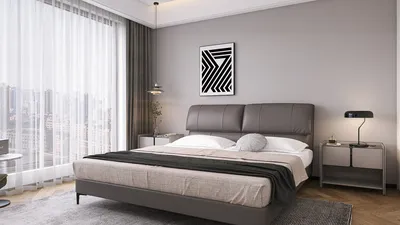


I've designed staircases for micro-apartments, compact lofts, and narrow townhouses, where every square inch is crucial. The aim remains consistent: to incorporate vertical circulation while preserving natural light, storage options, and seamless flow. Thoughtful design, ergonomic handrails, and durable materials transform limitations into defining features, often enhanced by tools like Homestyler to visualize the outcomes.
To achieve space-efficient stairs, it's essential to harmonize dimensions with human factors. The WELL v2 guidelines suggest ergonomic designs for safe movement, while IES lighting standards emphasize the necessity of uniform stair illuminance for clear visibility, recommending a light intensity of around 100–150 lux to minimize the risks of missteps and glare (source: ies.org/standards). Research into workplace and residential environments indicates that spatial friction influences daily interactions; for instance, Steelcase has found that environments that facilitate smooth circulation significantly enhance user experience and productivity (steelcase.com/research). These factors guide my decisions regarding tread dimensions, landing placements, and lighting design.
The interplay between color and psychology is significant. According to Verywell Mind, cooler shades can enhance concentration, while warmer colors promote comfort (verywellmind.com/color-psychology). In small stair volumes, I prefer lighter, matte finishes to keep sightlines unobstructed and reduce visual weight, accented with darker nosing for safety and contrast.
Effective Compact Stair Designs
Every layout is tailored to specific constraints. For narrow shafts or tight corners, alternating-tread stairs can reduce the run length by approximately 20-25% in comparison to standard residential stairs, while still allowing adequate foot placement for ascending and descending. Spiral stairs can fit into spaces as compact as 1.5–2.0 m²; I typically opt for a diameter of 1500–1700 mm to ensure user comfort. If the layout permits a straight run, using a narrow single-stringer design with integrated storage beneath the flight maximizes utility without appearing bulky.
Strategic Layout: Prioritizing Flow
Before finalizing a stair typology, I carefully map out circulation lines and necessary clearances. A compact space benefits from a well-defined approach zone, ideally 800–900 mm clear, to prevent collisions with furnishings. Testing different configurations is simplified with room layout tools to simulate landing sizes, turning radii, and the arrangement of furniture:
interior layout tool
I aim for continuous sightlines by locating the stair flight along a wall, which keeps the center of the space open. Additionally, I strive to maintain daylight by avoiding heavy riser fronts. Open-riser designs, when permitted by code regulations, enable light and air to flow freely. For L-shaped or U-shaped staircases, incorporating a mid-landing serves a dual purpose as both a display area and seating, creating micro-moments in restricted footprints.
Ergonomics: Tread, Riser, and Handfeel Considerations
Human factors are crucial for ensuring comfort and safety. For compact stairs, targeting riser heights of 170–190 mm and tread depths of 230–260 mm is essential, aligning with local building codes; alternating-tread models shift foot placement to promote a natural climbing rhythm. Handrails should ideally be positioned around 900–1000 mm in height, featuring a continuous, graspable design. I select warm-touch materials—such as oiled wood or powder-coated steel—to enhance security in both winter and humid climates.
Lighting: Ensuring Visibility Without Glare
Stairway lighting must be practical, layered, and designed to minimize glare. Following IES guidance for uniformity, I utilize low-glare linear LED lights under each nosing or wall-wash strips to illuminate the entire tread depth. A color temperature of about 3000–3500K promotes a comfortable environment; elevated CCTs may feel overly clinical in snug homes. Additionally, a secondary lighting source—such as a pendant or compact sconce—on landings boosts vertical illumination, assisting with depth perception.
Material Choices: Slim Profiles and Resilient Finishes
Choosing the right materials can help the stairs blend into the surrounding space. Utilizing thin steel sections, engineered wood, and laminated glass balustrades helps maintain a minimal profile. If noise is a concern, I recommend rubber underlays beneath wooden treads or cork-laminate surfaces to absorb footfall. Matte finishes diminish reflective highlights, ensuring the stair remains unobtrusive in peripheral vision.
Integrating Storage into Stair Design
In micro-living situations, stairs must be functional. I often incorporate drawers into stringers, cabinets beneath the flights, and toe-kick niches for shoe storage. Always prefer soft-close hardware to preserve the structure and ensure frequently accessed items are positioned at knee or waist height for easy reach. With alternating-tread stairs, the voids between treads can also serve as narrow shelves for books or decorative items, as long as the weight is evenly distributed.
Choosing Between Spiral and Alternating-Tread Styles
Spiral stairs are ideal when space is tight but ceiling height is generous; their circular design can serve as a striking focal point. Prioritize a comfortable inner handrail and wider outer treads to improve safety and reduce the risk of missteps. Alternating-tread stairs are suitable for steeper ascents, providing improved clarity for foot placement compared to a standard ladder. Pair them with textured nosings and adequate lighting for enhanced confidence during use.
Safety, Code Compliance, and Comfort
Opting for compact designs does not mean sacrificing safety. Always verify local codes regarding tread depth, riser height, railing spacing, and open-riser guidelines. For small homes with children, I tend to favor closed risers and balustrades with vertical infill bars spaced within local limits. It's essential to include at least one pause area on tight landings to allow for balance adjustment.
Using Color Psychology for Effective Wayfinding
Color can subtly direct movement. I often darken the nosing or add a subtle contrasting strip to emphasize depth. Soft neutral tones on walls and balustrades promote tranquility; a vibrant accent on the soffit or underside can introduce personality without overwhelming the space. As noted by Verywell Mind, lighter tones can create an impression of increased volume, while an excessive contrast may feel cluttered; cautious choices are paramount in compact stairwells.
Managing Acoustics for Quieter Steps
Compact spaces tend to amplify sound. I recommend incorporating resilient mounts between treads and stringers, sealing joints to avoid squeaks, and adding a runner with a substantial pad to dampen noise. If the staircase leads to a bedroom mezzanine, consider using an acoustic curtain or partial screen at the landing to minimize sounds crossing between spaces.
Design Trends for Small Stairs in 2024–2025
Current trends showcase slender mono-stringers with light-colored timber, micro-LED lighting integrated into treads, and perforated metal balustrades that diffuse light beautifully. Additionally, compact mezzanine ladders are transitioning into hybrid alternating-tread designs that incorporate storage solutions and handrails, offering a more furniture-like feel than traditional stairs.
Ensuring Maintenance and Longevity
Space-saving stair designs undergo frequent use. Therefore, it's crucial to select finishes resistant to scuffs—such as hardwax oil on oak, durable powder coating on steel, and scratch-proof laminate for cabinets. Ensure that lighting can be easily accessed for maintenance, and prefer dimmable drivers compatible with your control system to prevent flickering.
Common Questions About Stairs
Alternating-tread stairs effectively reduce run lengths while ensuring clearer foot placement than ladders. Always incorporate solid handrails on both sides, textured nosings, and consistent lighting to maintain safety.
For comfortable residential use, a diameter between 1500-1700 mm is recommended. Smaller diameters are feasible, but they may compromise tread width and shoulder space.
Risers ranging from 170-190 mm and treads of 230-260 mm are generally acceptable across many compact settings, pending local code requirements. Alternating-tread designs adjust foot placement to maintain a natural climbing rhythm at steeper angles.
Utilize layered lighting strategies such as tread-integrated LEDs or wall washers for horizontal visibility, combined with a pendant or sconce on landings for vertical illumination. Strive for a uniform brightness of 100–150 lux on treads as per IES recommendations and maintain a color temperature of 3000–3500K.
Absolutely; drawer compartments within stringers, under-stair cabinets, and toe-kick niches are effective ways to enhance functionality. Ensure that heavier items are stored lower, and use soft-close mechanisms to preserve the structure.
Yes, they can be safe if they comply with local codes and are paired with proper lighting and nosing contrast. When there are children or pets, it is often safer to have closed risers and tighter balustrade spacing.
Optimize the flow by utilizing light, matte finishes; keep the stair flight close to a wall to enhance open space in the center; use transparent balustrades or slender verticals; and avoid bulky structures beneath the stairs that obstruct sightlines.
Incorporate resilient underlays beneath wooden treads, rubber isolators at connections, and dense runners to mitigate sound. Cork-laminate surfaces also serve well for sound dampening.
For infrequent use, such as accessing loft storage, this can be appropriate. However, for daily circulation, a hybrid alternating-tread stair with handrails constitutes a safer and more comfortable choice.
Experiment with various designs using an interior layout planner to assess landing sizes, turning radii, and spatial relationships with furniture, refining your plans based on sightlines, daylight, and ergonomic principles.

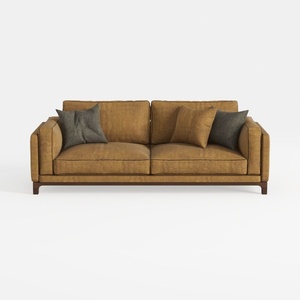
Get Set Style Sofa Couches, 86" Loveseat Mid Centu
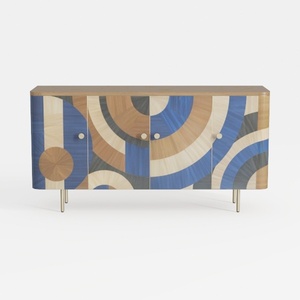
Tribesigns 63'' Farmhouse Sideboard Buffet Cabinet
Looking to transform your space? Homestyler is the ultimate online home design platform! With its user-friendly design tool, impressive 3D renderings, and a treasure trove of DIY video tutorials, you'll find endless inspiration to bring your vision to life effortlessly.
Design Now for FREE
































