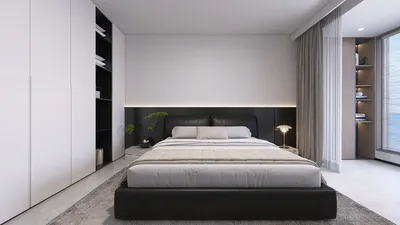


I have always viewed small side tables as discreet problem-solvers that enhance functionality: they create defined reading nooks, hold your morning coffee, and frame a sofa without occupying too much floor space. The most effective designs combine proportion, circulation, and appealing materials, ensuring that a small footprint feels spacious. When executed well, a compact table contributes to well-being and daily habits—eliminating clutter, avoiding instability, and providing easy access along with visual harmony.
The dimensions and reach of side tables play a crucial role in comfort. To maintain a comfortable position while seated, I prefer keeping the tabletop within 2-4 inches of the adjacent seat height; this helps keep the wrist in a neutral position and minimizes overreaching. According to WELL v2 guidelines, ergonomics across minor movements are reinforced, and workspace studies conducted by Steelcase indicate that maintaining neutral reach zones aids in reducing strain over time (steelcase.com/research). Regarding lighting, the Illuminating Engineering Society suggests a range of 200-500 lux for living tasks; having a small table positioned under a lamp within this lighting range ensures that reading and needlework are easy on the eyes (ies.org/standards). These factors influence not only the appearance of the table but also its practical placement.
The principles of color psychology are equally beneficial. As noted by Verywell Mind, the color blue can foster a sense of calm focus, while green promotes a feeling of balance, making muted blue or olive side tables ideal for reading spaces (verywellmind.com/color-psychology). Complementing these colors with warm finishes can soften glare, enhance the mood, and seamlessly integrate smaller pieces into the overall rhythm of the room rather than allowing them to appear haphazard.
Compact Proportions That Work
Typically, a height of 16-22 inches is appropriate beside most sofas and lounge chairs, while a width of 12-18 inches keeps movement unhindered. If the arm of the sofa is tall, I opt for a height closer to 22 inches so that a cup can rest comfortably at elbow level. In narrower living spaces, I might place a 14-inch round table between two lounge chairs; this smaller diameter preserves legroom while still accommodating a book and a drink.
Nested and Tiered Solutions
Nesting tables provide versatile surface areas as needed. I often stack a slender oval over a low round table, pulling the lower piece forward when entertaining guests. Two-tiered tables with an open shelf manage remotes and journals without cluttering the main surface. Ensure the lower tier is at least 8 inches below the top to avoid knee bumps.
Clamp-On, C-Tables, and Slide-Unders
For compact living environments, C-tables neatly slide under sofas or beds, allowing the surface to extend over cushions without obstructing pathways. I select models with a minimum 12-inch base depth for stability. Clamp-on tables can attach to bed frames or shelves; they are particularly effective in guest rooms where traditional nightstands might not fit.
Wall-Mounted Perches
Fold-down tables and corner shelves eliminate floor clutter and simplify vacuuming. I typically position them 18-22 inches off the floor adjacent to lounge seating and 24-28 inches for stool height. It's essential to mount them into studs and add a small lip to prevent chargers from falling off.
Round vs. Square: Circulation and Safety
In tight spaces, rounded edges are safer. I prefer 16-18 inch round tables near doorways to reduce accidental bumps. Square or rectangular tops are advantageous when aligning with a linear sofa or wall feature; just soften the corners or bevel the edges to protect shins.
Materials and Sustainability
I aim for a balance between weight and durability: powder-coated steel for lightweight designs, FSC-certified wood for a warm touch, and tempered glass when a sense of openness is needed. Sustainable composites or recycled aluminum reduce both physical weight and carbon footprint. Textured surfaces (such as reeded wood, leather inlays, or micro-cement) enhance grip, preventing items from sliding off during casual encounters with pets.
Storage-Smart Designs
Opt for tables equipped with drawers for storing cables and remotes, or removable trays that facilitate transferring snacks from the kitchen to the sofa. When concealing clutter, ensure that drawer interiors are at least 2 inches deep and are equipped with soft-close mechanisms. A slim magazine sling beneath the top offers visibility for reading materials without crowding the surface.
Light, Glare, and Task Comfort
Combine a compact table with a task lamp that provides around 300-500 lux at its surface. A matte tabletop helps manage glare, while warm 2700-3000K lamps create a soothing evening ambiance. If using glossy tables, pair them with diffused shades and position the lamp 15-20 inches above the surface to minimize hot spots.
Color Strategy for Small Rooms
Bold-hued pieces can punctuate neutral spaces, whereas tone-on-tone tables maintain a tranquil visual effect. A sage green table complements off-white walls to create a serene ambiance; conversely, a terracotta accent brings energy to a cheerful corner. I avoid matching all finishes—one contrasting table often enhances the overall design.
Micro-Layouts That Maximize Function
In confined pathways, I assess reach zones: the table should sit 12-18 inches from the edge of the seat, ensuring it’s never in the arc of the knees. When placing multiple seats, I strategically position a small round table at the intersection of their armrests, giving everyone easy access. For open studio layouts, I utilize a room layout tool to simulate sightlines and circulation; this aids in preventing pinch points.
room layout tool
Layered Texture and Tactility
Small tables greatly benefit from a variety of textures: ribbed oak, rattan shelves, or linen-wrapped tops can catch light beautifully and lend a thoughtful quality to small surfaces. To create cohesion, I bring in similar textures, like a woven tray or a stitched leather coaster, so the table aligns with the overall aesthetic of the space.
Bedroom Side Table Ideas
In compact bedrooms, I prefer a pedestal with a diameter of 14-18 inches for neat bedding draping. When space is limited, consider a wall-mounted shelf with a cable cutout and a concealed outlet channel. Position the shelf flush with the mattress height for easy phone access, and select a finish that resists showing rings.
Entry and Balcony Spots
A slender metal table at the entryway holds keys without obstructing door movement; aim for a depth of less than 12 inches. On balconies, opt for weather-resistant powder coatings and perforated tops to allow rain drainage. Clip-on trays can be attached to railings to create a convenient spot without occupying floor space.
Acoustic and Movement Considerations
Using rubber feet or felt pads can help minimize vibrations when placing down glassware. In lively rooms, I favor heavier bases; in upper-level apartments, I lean towards damped, layered materials to minimize noise. It’s advisable to steer clear of hollow metal tops if reflective sound surfaces already exist in the room.
Styling Without Clutter
Limit decorative elements to three items: a lamp, a small vase, and a coaster set. Maintain height variety for a dynamic look—avoid uniformity. If you incorporate scented candles, place them away from upholstered furniture and trim the wick to minimize soot on lighter finishes.
Budget-Savvy Moves
Nesting stools can serve as alternate side tables. Refurbishing vintage pieces can save costs while adding character—consider swapping the top surfaces for durable laminates or cork. Flat-pack options with concealed fasteners maintain a tidy assembly and ensure stability.
FAQ
Q1: What’s the ideal height for a side table next to a sofa?
A: Aim for the tabletop to be within 2-4 inches of the height of the sofa arm or seat. This positioning keeps the wrist neutral and reduces strain.
Q2: Round or square—what’s better in tight spaces?
A: Round tables minimize edge impacts and facilitate movement; however, square or rectangular tops align nicely with linear furniture when corners are softened.
Q3: How much lighting should a reading side table have?
A: Aim for 300-500 lux at the table surface from a task lamp, utilizing a warm 2700-3000K color temperature to ensure eye comfort in the evening. This aligns with IES guidelines for residential task lighting.
Q4: Are nesting tables practical for small living rooms?
A: Certainly. They offer extra surface area when needed, and can be tucked away to clear space. Ensure the smaller table is at least 1-2 inches shorter for easy nesting.
Q5: What materials feel light but remain durable?
A: Powder-coated steel frames with wood or laminate tops strike a balance between slim profiles and strength. Tempered glass provides an airy feel but requires stable bases to prevent tipping.
Q6: Can a C-table replace a traditional side table?
A: Yes, in compact arrangements, a C-table can seamlessly slide under sofas or beds, bringing the top into a convenient reach without obstructing foot traffic.
Q7: How do I avoid clutter on a small tabletop?
A: Limit decor to two or three items, utilize a drawer or magazine sling for remotes, and employ trays to organize smaller objects. Opt for matte surfaces to minimize visual clutter.
Q8: What’s a safe clearance between seating and a side table?
A: Aim for about 12-18 inches distance from the seat edge to the table to ensure ease of leg movement while maintaining accessibility.
Q9: Any tips for balcony or outdoor side tables?
A: Select weather-resistant powder coatings, with perforated or slatted tops to allow for water drainage, and heavier bases to withstand wind. Avoid glass in exposed areas.
Q10: How can I test my layout before buying?
A: Utilize an interior layout tool to simulate traffic paths, lamp positioning, and reach zones. This is a quick method to confirm appropriate scale and clearance in tighter spaces.
Q11: What colors help small rooms feel calm?
A: Soft blues and greens are known to create a serene and balanced atmosphere, making them excellent choices for tables in reading nooks or bedrooms.
Q12: How do I keep small tables stable on uneven floors?
A: Look for designs with adjustable feet or enhance stability using felt pads and shims. Heavier bases and wider footprints (minimum of 12 inches) can help prevent wobbling.


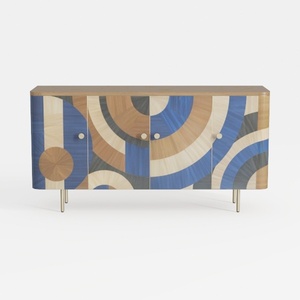
Looking to transform your home? Homestyler is the ultimate online design platform! With its user-friendly design tool, stunning 3D renderings, and an array of inspiring projects and DIY video tutorials, you can effortlessly bring your dream spaces to life. Start designing today!
Projete agora para LIVRE
































