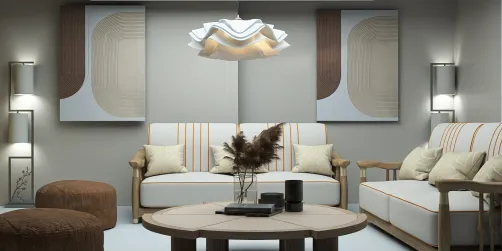
Compact, round extendable dining tables effectively address the challenge of fitting daily activities into limited spaces without compromising on style or comfort. In my design projects, choosing a 36–42 inch round table equipped with a smart leaf allows for seating two most days and effortlessly expanding to accommodate four to six guests when necessary—eliminating visual clutter and awkward corners. Recent research from Steelcase reveals a significant increase in multipurpose residential spaces, as individuals blend socializing with remote work, driving the demand for flexible furnishings that adjust to evolving needs. The WELL v2 framework also emphasizes the necessity for adaptable environments to enhance comfort and facilitate social interactions, directly supported by extendable tables that offer adjustable clearance and maintain appropriate social distances.
The intent behind functionality should mirror that of design. Findings from Gensler highlight that choice and flexibility are essential elements driving satisfaction in human-centered environments; this is particularly applicable in dining areas, where a table needs to adapt to varying demands while supporting ergonomic posture, appropriate lighting, and smooth circulation. According to recommendations from the Illuminating Engineering Society, achieving approximately 300–500 lux at the dining surface is crucial for comfortably appreciating textures and food without glare. Dimming the lights to about 150–200 lux with warmer 2700–3000K tones enhances evening ambiance. To learn more about these standards and guidelines, explore the IES resources and WELL v2 insights on light and comfort.
Benefits of Choosing a Small Round Extendable Table
- Space efficiency: Round tabletops remove sharp corners, which facilitates movement in tighter spaces and small apartments. In my designs, I aim for at least 36 inches (91 cm) of clearance around the table when extended; in extremely compact rooms, 30 inches may suffice if some seating is via a bench or banquette.
- Social intimacy: This shape allows everyone to focus on the center, fostering balanced conversations with easy access to shared dishes.
- Flexible capacity: A size range of 38–42 inches typically seats 2–4; adding a leaf to reach 50–60 inches allows it to host 4–6 for dinners or games.
- Visual calmness: The circular design harmonizes with softly illuminated fixtures and rounded seating options, creating a soothing atmosphere in compact spaces and supporting a biophilic rhythm.
Selecting the Right Diameter and Length
- Daily use diameter: For a pair of diners, 30–36 inches works well. When accommodating four frequently, 36–42 inches is a comfortable choice.
- Extended dimensions: Consider the maximum size you’ll realistically need for gatherings. For six people, a 54–60 inch table extension is advisable. In narrow rooms, a drop-leaf style maintains clear traffic paths when not in use.
- Legroom and table base: Pedestal bases are excellent for small round tables because they maximize knee space, minimize chair clashes, and allow flexible seating arrangements.
Ergonomics and Human Factors
- Standard table height: Generally, 28–30 inches suits most chairs with a seat height of 17–19 inches. Ensure a clearance of about 10–12 inches between the seat and the underside of the tabletop.
- Clearances for knees and chairs: Allow a depth of 20–24 inches for each seated person. With an extendable table, confirm that the leaf mechanism does not impede knee space or central legroom.
- Reach and serving arrangements: For shared dishes, a 36–42 inch round keeps reach manageable at under 18–20 inches, which is comfortable for most users. Larger rounds can be complemented with a lazy Susan for convenience.
Material Choices and Sustainability
- Tabletops: Solid wood or veneer on a sturdy substrate provides warmth and is easy to repair. Options like engineered stone or high-pressure laminates offer durability, particularly in rental or family environments.
- Edge design: A softly rounded bullnose or beveled edge minimizes damage and helps the small table appear less heavy visually.
- Finish: Opt for low-VOC coatings and sustainably sourced woods for healthier indoor air quality; confirming third-party certifications when possible is a good practice.
- Hardware: Seek robust leaf guides and secure locks; poor tolerances can lead to instability and compromise the overall functionality.
Lighting for the Dining Space
- Target illuminance: Aim for 300–500 lux at the table surface to facilitate dining and casual activities. Consider pairing an overhead pendant with dimmer capabilities to adjust light levels for evening relaxation.
- Ideal color temperature: A range of 2700–3000K provides a warm glow that flatters both skin tones and food.
- Glare reduction: Utilize diffusers, fabric lamp shades, or opal glass to soften brightness; position the pendant 28–34 inches above the tabletop to ensure even light distribution over smaller tables.
Understanding Color Psychology in Small Spaces
- Use light, muted tones to create an illusion of spaciousness; shades like soft warm whites or pale sages impart an airy feel.
- Restrain accent colors: Maintain a cohesive tone between the table and flooring; introduce pops of color through upholstery or decorative runners.
- Metal accents: Brushed brass or matte black finishes offer a contemporary appeal without making the space feel visually crowded.
Effective Layout Strategies for Small Rooms
- Focus on circulation: Measure the extended dimensions with chairs pulled out 18 inches. If this disrupts pathways to the kitchen or balcony, consider banquette seating along one side.
- Align with architectural features: Position the table centrally beneath the pendant light and between windows to create a focal point. If you are testing different configurations, utilizing a room layout tool can help visualize traffic flow and chair placements before making a purchase decision.
room layout tool
Mechanisms: Efficient Leaves and Extensions
- Drop-leaf: Ideal for extremely compact spaces, as the leaves fold down to achieve a slim profile.
- Butterfly leaf: This type folds and stores inside the table itself—perfect for quick setups and minimal storage demands.
- Removable leaf: A classic and sturdy option, often allowing for larger expansions; ensure the leaf is stored flat to prevent warping.
- Quality slides: Full-extension metal slides that lock help reduce wobbling and maintain an even surface over years of usage.
Acoustic Comfort in Open-Concept Spaces
- Use soft materials: Incorporate a low-pile rug, upholstered dining chairs, and curtains to mitigate reflections from hard surfaces.
- Pendant fixtures: Felted or fabric pendants above a round table act as acoustic dampeners directly over conversation areas.
Compatible Chairs for Your Table
- Opt for armless, curved-back chairs that tuck in neatly and complement the round shape, reducing visual clutter.
- Seat dimensions: A width of 18–20 inches is optimal for comfort without overcrowding. Four armless chairs fit comfortably around a 42-inch round; to seat six when extended, consider adding two armchairs on opposite sides for varied seating posture.
Styling Without Adding Clutter
- Choose a low-profile centerpiece—such as a shallow bowl or a single flower stem—to preserve sightlines across the table.
- Implement a round placemat set that complements the table’s shape; this reinforces visual rhythm and keeps settings tidy.
Practical Sizing Recommendations
- A 36-inch round tabletop with a butterfly leaf extending to 52 inches: Ideal for daily use by two, expanding to four or five, perfect for studio apartments.
- A 40-inch round with an 18-inch removable leaf extending to 58 inches: Suitable for four daily, extending for six during festive gatherings.
- A 42-inch pedestal style with two 12-inch leaves reaching 66 inches: Visually light and comfortably seats six in a small dining area.
Maintenance and Durability
- Utilize coasters and placemats to reduce exposure to heat and moisture near the seams of the leaf.
- Regularly tighten base hardware, as expansion mechanisms might settle slightly in the first few months of use.
- Preserve the finish with non-abrasive cleaners; re-oil or re-wax wood surfaces as the manufacturer recommends.
Further Reading for Comprehensive Insights
To delve into guidance on lighting and comfort, consider the IES standards and WELL v2 resources on ideal light levels, color temperatures, and overall comfort. The research from Gensler and Steelcase offers additional valuable context regarding flexible living solutions and human-centered design in multifunctional spaces.
Frequently Asked Questions
Q1: What is the ideal size of a small round table for daily use by two people?
A: A diameter of 30–36 inches works well for two diners. For those occasional instances when you seat four without extending, a size range of 36–40 inches offers ample elbow room.
Q2: How much clearance is needed around the table?
A: Aim for a clearance of 36 inches (91 cm) around the extended table for easy movement. In tighter spaces, 30 inches may be acceptable if one side is a banquette.
Q3: Which extension mechanism is most desirable for compact apartments?
A: The butterfly leaf is the most practical option—it integrates storage and is quick to set up. Drop-leaf designs are also effective in maximizing every inch available but typically offer smaller expanded sizes.
Q4: What is the recommended lighting level for a small dining table?
A: Target a light intensity of 300–500 lux at the tabletop during meals and tasks. Employ dimmers to adjust down to 150–200 lux for quieter evenings, complemented by a warm 2700–3000K pendant light.
Q5: Should I choose a pedestal base or four legs for small round tables?
A: Pedestal bases typically offer the best knee space and flexibility in chair arrangements, especially when accommodating additional guests with a leaf extension.
Q6: Is it possible for a 42-inch round table to comfortably seat six?
A: Not without an extension; incorporating a leaf to increase size to roughly 54–60 inches will ensure adequate space for six settings with proper plate and elbow room.
Q7: How can I minimize wobble in extendable tables?
A: Select tables with locking extension slides and solid connection hardware. After initial assembly, it’s wise to retighten bolts after a few weeks to accommodate settling.
Q8: What chair dimensions are ideal?
A: Seats 18–20 inches wide fit comfortably around 36–42 inch rounds. Armless designs fit closer, helping maintain clear circulation paths.
Q9: Are dark finishes unfavorable in small dining spaces?
A: Not necessarily. Dark tabletops can exude sophistication; balance such finishes with lighter walls, reflective elements, and warm lighting to prevent an overly heavy atmosphere.
Q10: How can I protect the seams of the leaf from damage?
A: Utilize table pads or runners while serving hot dishes, promptly clean any spills, and avoid placing excessive force directly on the seam while the table is extended.
Q11: What rug size is suitable under a small round extendable table?
A: Select a rug that extends at least 24 inches beyond the table edge when chairs are pushed in; popular sizes include 6' round rugs for tables measuring 36–40 inches.
Q12: Can I utilize the dining table as a workspace?
A: Absolutely. Ensure adequate lighting of 300–500 lux reaches the workspace, choose a supportive chair, and maintain simple cable management. The versatile surface of an extendable table effectively accommodates materials as needed.
What began as an Autodesk innovation has evolved into a design platform used by more than 20+ million registered users (platform data, 2026) around the globe. Homestyler combines powerful rendering, an intuitive editor, and a vast furniture library to help you turn inspiration into photorealistic designs — whether you're redesigning a single room or planning an entire home.
Homestyler is your go-to online platform for home design! Its user-friendly design tool, stunning 3D renderings, and extensive library of DIY projects and video tutorials empower you to create your dream space effortlessly. Get inspired and start designing today!
Дизайн сейчас бесплатно














![[11]](https://hs-designs.homestyler.com/production/design/images/2026-08-18/65655371-2e61-41bb-9e44-25116ade2000/1787043124071/10645029.jpg?x-oss-process=image/resize,w_502,m_mfit/format,webp)