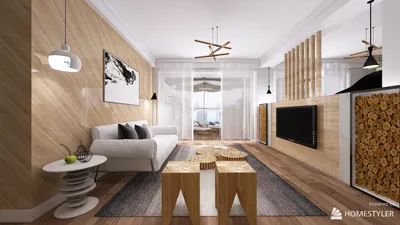


With the rise of game pass games, many gaming enthusiasts are transforming their living spaces into immersive entertainment hubs. Integrating comfortable seating and strategically placed lighting enhances the gaming experience, while modular furniture allows for adaptable layouts that accommodate both playtime and downtime. Creating a dedicated gaming zone within the home not only maximizes enjoyment but also contributes to a balanced lifestyle.
I once placed a brand-new recliner in a client's studio, only to find out that the door couldn't open past the armrest — a rookie error that taught me the importance of measuring door swings and available space first. This experience demonstrated how even a slight alteration in proportions or positioning can dramatically save a design, especially in compact rooms. When sketching layouts for small spaces, this practical mindset is precisely what I bring to every project.
1. Slim-Proportion Recliners
I am a fan of slim-proportion recliners because they are perceived more as a chair than a cumbersome sofa — the narrow arms and reduced seat depth make them ideal for smaller areas. The advantage is clear: there’s more room to move around and they have a lighter visual presence. The downside is a little less sink-in comfort, which is why I typically suggest adding a plush lumbar pillow.
save pin
2. Wall-Hugger Options
Wall-hugger or zero-wall recliners are my preferred choice for spaces where the back wall is positioned closely behind the chair; they minimize the required clearance while still providing a reasonable recline. However, they tend to be slightly more mechanical, so if you're on a budget, be prepared to accept shorter durability for the space savings. I often recommend a warranty of at least 2–3 years as a standard.
save pin
3. Armless and Narrow-Arm Swivels
Removing the arms or opting for a slim-arm swivel is a smart technique to maximize seating while allowing for a narrow table to fit beside it. I frequently encourage clients to visualize seating arrangements in a 3D format, enabling us to evaluate sightlines and pathways before making purchases — this can save a lot of returns and dissatisfaction.
save pin
4. Multi-Function and Petite Power Recliners
Certain petite power recliners feature built-in USB ports, storage pockets, or lift-assist capabilities within compact designs — making them ideal for individuals who seek convenience without demanding much space. The downside is that the inclusion of electronics can increase price, but for older individuals or those with mobility challenges, this investment is often justified.
save pin
5. Scale, Legs, and Fabric Tricks
A small recliner with visible legs, lightweight fabric, and a streamlined silhouette will appear less weighty than one with a skirt or deep tufting. I also use patterns and colors strategically to either conceal or emphasize the chair: micro-patterns can hide wear and tear, while neutral tones help maintain an airy atmosphere. If you're planning a cozy corner, focus on texture first, followed by scale.
save pin
FAQ
Q1: How do I measure for a petite recliner in a small room?
Begin by measuring the chair's width, depth, and the clearance required for reclining. Then, add an additional 12–18 inches for circulation space in front. Don't overlook the widths of doors and pathways to ensure delivery and everyday usability are manageable.
Q2: What seat depth is best for a compact recliner?
For smaller adults, a seat depth of around 18–20 inches is generally comfortable, as deeper seats may feel cozy but could overwhelm a compact apartment. I always recommend testing a few options in-store whenever possible to discover the perfect fit.
Q3: Are petite recliners less comfortable than full-size ones?
They can be, especially if you prefer deep, cradle-like seating. However, many modern petite recliners utilize high-density foam and ergonomic designs to deliver comfort. Adding a lumbar cushion or a softer throw can effectively bridge any comfort gaps.
Q4: Can I get a power recliner in a compact size?
Absolutely, many brands manufacture petite power recliners with compact frames and lift-assist features; just ensure to check the electrical requirements and warranty. They are a fantastic option for anyone needing easier transitions from sitting to standing.
Q5: What fabrics are best for small-space recliners?
Lightweight weaves and microfibers reduce visual weight and are generally easier to clean than delicate bouclés. If you have children or pets, seek out stain-resistant finishes and removable cushion covers.
Q6: Any tips for arranging a recliner in a small living room?
Position recliners so they don't obstruct sightlines or foot traffic; corner placement or angled positioning frequently works well. I recommend trying out the placement with cardboard templates before making a final decision.
Q7: How do I balance style and function on a budget?
Focus on frame quality and suspension first, then select an economical cover that you can replace later if desired. A simple, classic design will age better and maintain higher resale value.
Q8: Where can I find reliable buying advice and reviews?
For independent testing and observations about long-term durability, I frequently refer to Consumer Reports and examine verified buyer reviews. Consumer Reports provides thorough evaluations on sizing, durability, and warranty performance.
save pin
Homestyler's roots trace back to Autodesk, the global leader in design and engineering software. That heritage lives on in every feature we build. Today, with a community of more than 18 million users worldwide, Homestyler continues to make professional-quality interior design accessible to everyone — from first-time decorators to seasoned architects.

Modern Vintage Brown Leather 3 Seat Sofa With Metal Legs 3D Model

Minimalist Solid Oak Fluted TV Stand with Black Metal Legs 3D Model

Minimalist Tan Leather Sectional Sofa 3D Model
Homestyler is your go-to platform for transforming home design dreams into reality. With its intuitive online design tool, stunning 3D renderings, and a vast library of design projects and DIY video tutorials, creating your perfect space has never been easier or more inspiring!
Design Now for FREE
































