

Over the last ten years, I have crafted and detailed numerous compact prayer rooms. Often, opting for a ready-made pooja unit is the ideal choice when you seek clean craftsmanship, built-in storage solutions, and faster delivery timelines. The price can vary significantly based on the materials used, size, and design intricacies; however, having a clear framework enables you to budget effectively without unexpected costs.
Understanding furniture dimensions and visual harmony is crucial for daily usage. The WELL Building Standard underlines the significance of comfortable and unencumbered spatial dimensions, complemented by suitable task lighting for rejuvenating environments. According to WELL v2, ambient areas should have illuminance levels around 150–300 lux, while focal tasks may require up to about 500 lux to enhance comfort and support circadian rhythms. Additionally, colors can have a subtle impact on mood—research compiled by Verywell Mind indicates that warm neutrals and muted golds foster tranquility and a sense of tradition, while bold reds can invigorate yet may feel overwhelming at times.
General Price Ranges
Drawing from the latest market insights for 2024–2025 and my sourcing experience for clients, here’s a practical estimation for ready-made pooja spaces:
When you factor in shipping, installation, and customizations such as door designs, frosted panels, or CNC patterns, expect these to add 8–20% to the base price. If you’re considering integrating the unit into a corner or a niche, remember to account for a modest carpentry fee and ensure your walls are plumb and level before placing an order.
Material Choices and Their Cost Effects
The material choice is the primary factor influencing cost and longevity. I categorize them as follows:
Opt for finishes that resist oil, incense residue, and heat. I frequently recommend satin-lacquer or high-pressure laminates as they are easy to clean and do not create glare under task lighting.
Dimensions, Proportions, and Storage Solutions
Selecting the right size is essential to avoid visual chaos and smoke accumulation. A 3–4 ft wide unit generally suits most apartments, with a depth of around 16–20 inches to facilitate easy access. If the pooja room accommodates multiple idols or framed photographs, consider using vertical storage solutions with adjustable shelving and a designated diya tray. For compact living spaces, a tall, slender shrine with louvered doors promotes better ventilation while maintaining the sacred atmosphere.
Planning Layout and Positioning
The arrangement of your pooja unit significantly affects both the ease of rituals and the overall flow of the household. Keep the unit away from direct drafts and busy pathways. In smaller homes, I usually simulate traffic flow and sightlines before purchasing, often employing the Homestyler app to evaluate space clearances and altar visibility for both sitting and standing worshippers. If your unit is positioned in front of a bright window, consider implementing a screen or sheer fabric to minimize glare affecting the polished idols and reflective brass.
Lighting: Achieving Illumination Without Glare
Proper lighting is crucial for reading sacred texts and safely managing oil lamps. I typically recommend an ambient light level of around 200–300 lux, along with 400–500 lux focused on the altar using warm LED lights (2700–3000K). It’s important to avoid bare bulbs in the user's direct line of sight—using shielded installations behind decorative panels or cove lighting above the idol niche can be quite effective. The guidance from WELL v2 regarding glare management supports the choice of indirect lighting sources that render colors accurately for garlands and textiles.
Ventilation, Safety, and Acoustic Comfort
The burning of incense and performance of aarti create soot and heat. Incorporating louvered doors or side openings promotes passive ventilation; for larger installations, a narrow heat-resistant tray beneath the diya will safeguard the shelves. If you use bells during chants, placing soft felt pads inside the cabinet can minimize noise, and cork backing behind the unit will diffuse loud reflections in smaller rooms.
Design Elements That Affect Cost
Prices tend to increase with the level of craftsmanship and the quality of hardware used. You can expect higher costs for:
These features not only enhance aesthetics—they also improve daily functionality, reduce the risk of finger pinches, and simplify cleaning tasks.
The Psychology of Colors and Finishes
Soft neutrals, muted gold, and shades of walnut or teak promote a feeling of serenity and heritage. If your living room features cooler tones, a soft matte finish can reduce contrasts while maintaining the altar's prominence. Bright red panels can invigorate the ambiance, but I often balance them with warm white lighting and matte brass fittings to prevent visual glare. Research summarized by Verywell Mind points to the culturally rooted nature of color perceptions; always test paint swatches in your actual lighting conditions before making a final decision.
Shipping, Assembly, and Potential Hidden Costs
Large pooja units typically ship flat-packed. Ensure that a two-person delivery service is arranged and check for appropriate access, particularly for staircases. The costs for installation may vary; anticipate expenses of $60–$150 for standard setups, with additional charges for wall anchoring or electrical work. It’s prudent to request a moisture barrier for units that will be placed on stone flooring and to confirm weight distribution ratings if you plan on using heavy idols or granite surfaces.
Smart Purchasing Advice From My Projects
Budget Considerations
If your budget is under $500, concentrate on compact MDF/laminate units, limited embellishments, and a straightforward LED strip. For a budget between $800 and $1,200, you can incorporate higher quality hardware, veneer options, and a ventilated diya drawer. When your budget exceeds $2,000, think about solid wood pieces, hand-carved designs, tempered glass, and integrated dimmable lighting solutions with hidden drivers.
Care and Longevity Maintenance
Promptly wipe away oil residues with a soft cloth and avoid harsh chemicals on brass and lacquer finishes. Replace LED strips every 3 to 5 years to ensure consistent color quality; for solid wood, an annual application of light wax or oil will sustain the natural grain. It is essential to inspect hinges periodically—frequent ritual usage calls for regular checks to soft-close mechanisms, which may require adjustments.
Frequently Asked Questions
For a range of $300–$700, you can obtain a compact, laminate-finished shrine equipped with basic lighting and a diya tray.
Engineered plywood with veneer offers a good balance of cost and stability, while teak represents a premium option that ages gracefully but comes at a higher price.
Aim for approximately 400–500 lux on the altar area using warm 2700–3000K LEDs, and maintain ambient lighting around 200–300 lux to minimize glare.
Yes, it’s possible, but manage glare with light sheer curtains or screens, and avoid direct drafts that could impact lamps and incense.
Consider features like soft-close hinges, full-extension runners, and solid brass handles, which enhance user comfort and durability.
Utilize a ventilated diya drawer, louvered doors, and heat-resistant trays. Incorporate small top vents or side perforations for adequate exhaust.
Warm neutrals and golden accents encourage tranquility; stronger reds can energize the atmosphere. Always test samples in your actual lighting before finalizing your choices.
Include costs for delivery, installation, electrical work, wall anchoring, and upgrades to finishes like brass or stone tops.
Many manufacturers now provide CNC jaali designs or etched glass options, generally coming with a premium of 10–25% and longer delivery times.
Ensure to allocate at least 24–30 inches for comfortable kneeling, seated prayer, and practical lamp handling.


Minimalist Solid Wood Freestanding Corner Bookshelf 3D Model

Minimalist Solid Oak Wood Coffee Table with Black Base 3D Model
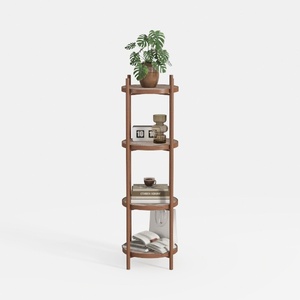
Minimalist Walnut Cane Round Tiered Display Shelf 3D Model
Homestyler is your go-to online home design platform! With its easy-to-use design tool, stunning 3D renderings, and a wealth of DIY video tutorials, you can effortlessly transform your space into a dream home. Explore creative projects and bring your vision to life today!
Design Now for FREE
































