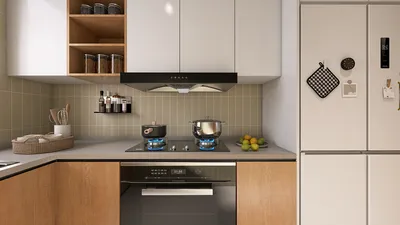


Creating a compact modular kitchen requires a thoughtful combination of efficient layout, resilient materials, and well-placed lighting—every aspect plays a role in budget considerations. In my recent projects involving kitchens under 90 square feet, the typical investment ranges from $2,500 to $9,000 for basic modules and $9,000 to $18,000 for higher-end finishes and fixtures, not including appliances. The choice of materials and features should be driven by functional needs: aspects such as ergonomics, lighting quality, and storage efficiency can significantly enhance daily usability.
Studies highlight the importance of ergonomics and lighting when planning costs. For optimal work surfaces, the WELL v2 guidelines suggest a task illuminance of approximately 300 to 500 lux with glare control to minimize visual strain (WELL Light concept, v2). Research from Gensler shows a direct correlation between improved lighting, environmental comfort, and enhanced performance; although focused on office spaces, these principles are applicable in home kitchens as well. I pay close attention to these standards while choosing under-cabinet lighting and matte finishes to prevent glare. For further insights on ideal light levels and comfort standards, refer to WELL v2 (wellcertified.com) and IES task lighting recommendations (ies.org/standards).
Budget Ranges for Small Modular Kitchens
- Entry-level (around $2,500–$6,000): Basic laminated carcasses, simple hardware, standard modules, with limited customization options. It's budget-friendly, but be cautious of edge durability and hinge quality.
- Mid-range (approximately $9,000–$18,000): Features moisture-resistant materials, soft-close hardware, quartz or solid surface countertops, built-in lighting, and customized storage solutions.
- Premium compact (approximately $18,000–$35,000+): Incorporates high-pressure laminates, compact laminate or sintered stone finishes, top-tier fittings (like BLUM/Grass), built-in appliances, and personalized pull-outs and corner solutions.
Factors Influencing Costs
- Layout complexity: Custom work may increase for kitchens with corners, full-height pantries, or stacked appliances. If your design requires an L-shape or galley layout with multiple corners, anticipate an addition of 10–20% to labor and materials.
- Grade of hardware: High-quality soft-close undermount slides and durable hinges can increase costs by $300–$1,000 across a small kitchen, but they are valuable for longevity.
- Countertop materials: Laminate ($20–$50/sq ft) vs. quartz ($60–$120/sq ft) vs. solid surface ($50–$90/sq ft) can influence overall costs by $600–$2,500 depending on the area.
- Finishes: Matte laminates are budget-friendly; however, acrylic and PET finishes may raise costs by 15–30% for additional sheen and scratch resistance; spray paint finishes require meticulous quality control and increase labor exertion.
- Integrated lighting: Under-cabinet LED strips and dimmable drivers typically raise costs by $250–$800; I aim for 350–500 lux on the countertops to ensure safe meal preparation.
Effective Layouts for Small Areas
For kitchens under 70 square feet, a galley or single-wall design with a small prep peninsula often offers the best balance of cost and functionality. Aim for a working triangle of 4–5 feet, ensuring landing zones of at least 12 inches beside the cooktop, 18 inches beside the sink, and between 15 to 24 inches beside the refrigerator. Utilizing a room layout tool can greatly assist in visualizing module sizes and flow before finalizing orders.
room layout tool
Economical Ergonomic Choices
Choosing ergonomic designs ultimately curtails rework and prolongs hardware lifespan. Position primary drawers between 24–36 inches high, set upper shelves 54–66 inches from the finished floor, and avoid placing heavy appliances above shoulder level. Soft-close slides reduce noise and wear; always specify a load rating of at least 35-65 pounds for deeper drawers. Task lighting utilizing neutral 3000–3500K temperatures ensures color accuracy during food prep without intrusive glare.
Clever Storage Solutions for Compact Kitchens
- 450–600 mm pull-out storage for oils and spices positioned near the cooktop.
- 600–800 mm deep drawers with organizational dividers for pots and pans.
- Opt for corner solutions only when absolutely necessary; while blind corner pull-outs can increase expenses, they may be warranted in constrained L-shaped kitchens.
- A full-height pantry featuring 300–450 mm pull-outs keeps groceries visible, minimizing waste and duplicative purchases.
Material Options and Their Resilience
For kitchen carcasses, moisture-resistant particleboard or plywood with edge sealing suffices in small kitchens, while compact laminate performs exceedingly well near wet areas. As for countertops, quartz stands out for its stain resistance and low maintenance; solid surfaces offer seamless backsplashes and coved upstands, ideal for places where cleanliness is paramount. Employing stainless steel or powder-coated steel for hardware prevents early corrosion in humid environments such as those near dishwashers.
Lighting and Acoustic Considerations
Under-cabinet lighting equipped with diffusers provides uniform illumination, meeting the WELL-recommended 300–500 lux. Using matte finishes for backsplashes can minimize glare. In open-concept setups, introducing soft materials (like rugs or upholstered furniture) adjacent to the kitchen can absorb sound; even a fabric panel perched over a breakfast nook might help reduce noise. Ensuring good acoustic comfort enriches the experience in small spaces without necessitating major financial outlays.
Understanding Color Psychology in Modular Kitchens
Using light, muted colors can create an illusion of spaciousness, while warm white lighting (around 3000K) enhances food's visual appeal. A study by Verywell Mind suggests that shades of blue and green produce calming effects; personally, I employ soft sage or light gray-green for upper cabinets to decrease visual strain, complemented by a warm neutral countertop for balance. It's advisable to sidestep high-gloss finishes in compact kitchens if natural light is plentiful, as glare can constrict the sense of space.
Practical Cost-Effective Strategies I Advocate
- Emphasize drawers instead of doors; better accessibility minimizes clutter and optimizes space utilization.
- Standardize module widths (450/600/900 mm) to lower production time and expenses.
- Select one premium surface (like a countertop) while opting for durable matte laminate for the cabinetry fronts to adhere to budget constraints.
- Plan your lighting with integrated channels early in the process; retrofitting lights tends to be pricier and messier.
- Arrange appliances in a single vertical stack when possible to streamline wiring and duct installations.
Sample Budget Breakdown (Compact Example)
For a 65 square foot galley kitchen featuring approximately 16 linear feet of cabinetry: carcasses and fronts typically cost between $3,500 and $6,000, hardware ranges from $600 to $1,200, while countertops can be priced at $1,200–$3,000. Allocate about $300 to $700 for lighting, with installation requiring another $1,000 to $2,000. Appliances will be an additional expense: an entry-level set (including cooktop, hood, single oven, refrigerator, and dishwasher) can range from $2,500 to $6,500 depending on the brand and energy efficiency.
When is Additional Spending Justified?
It’s wise to invest more in the countertop if culinary activities occur frequently, given its exposure to wear. Additionally, enhancements in lighting and ergonomically designed hardware are crucial, as they directly impact safety and daily comfort. If your kitchen lacks natural light, consider installing task lighting and selecting low-gloss surfaces; for complicated layouts with several corners, upgrade the hardware once to avoid future modification costs.
Frequently Asked Questions
Q1. What is a realistic budget for a 60–80 square foot modular kitchen?
A: For modular components and finishes, expect to budget between $6,000 and $14,000 for most mid-range builds, excluding appliances. Basic configurations can start at $3,000 to $6,000.
Q2. What portion of my budget should I set aside for lighting?
A: Plan to allocate $250 to $800 for under-cabinet LED lighting and drivers. Targeting 300 to 500 lux at the countertop enhances visibility and minimizes mistakes.
Q3. Are drawers typically more expensive than doors?
A: Yes, they tend to be pricier, but they enhance storage accessibility and reduce bending needs. You should expect an increase of 15–30% over door cabinets for similar widths, countered by improved efficiency during daily use.
Q4. Which countertop provides the best value?
A: Quartz offers a great combination of durability, stain resistance, and ease of maintenance. Laminate is cheaper but less heat resilient; solid surfaces are seamless and can be repaired.
Q5. What layout works best for very narrow kitchens?
A: A galley or single-wall layout with 36 to 42 inches of aisle width works best. A small prep peninsula is beneficial if space allows. Always confirm clearances with a room layout planner prior to module ordering.
Q6. How do color selections influence the perception of a small space?
A: Light and warm neutrals, along with desaturated tones, enhance the feeling of space. Pair these with 3000 to 3500K lighting to keep natural food tones, while avoiding high-gloss finishes if glare is a concern.
Q7. Which hardware enhancements are essential?
A: Soft-close slides and hinges, along with robust drawer systems (rated 35 to 65 lbs), are vital for durability in frequently used compact kitchens.
Q8. How can I effectively manage noise in an open-plan small kitchen?
A: Introduce soft furnishings near the kitchen, such as rugs and upholstered chairs, and consider a fabric panel over breakfast nooks to mitigate noise without requiring structural upgrades.
Q9. Are corner accessories worth the investment?
A: Only if your layout necessitates blind corners; otherwise, opting for straight runs with standardized module sizes is often more economical and user-friendly.
Q10. What color temperature is optimal for small kitchens?
A: A color temperature of 3000 to 3500K keeps food looking appealing while avoiding a sterile ambiance and ensuring effective task lighting.


Homestyler is your go-to online platform for effortless home design! With its user-friendly design tool, stunning 3D renderings, inspiring design projects, and helpful DIY video tutorials, you'll transform your ideas into reality in no time—perfect for both novices and experienced designers!
Design Now for FREE
































