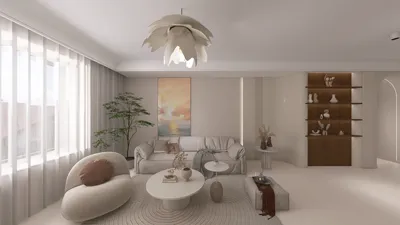


Limited spaces do not diminish their potential; rather, they enhance it. A thoughtfully crafted DIY media wall can serve as the centerpiece for a snug living room, studio apartment, or bedroom while providing additional storage, cable management, and sound insulation. In my designs, I achieve optimal results by considering the TV wall as a versatile element—incorporating shelving, a lighting feature, and sound modulation—tailored to fit the room’s dimensions and appropriate viewing distance.
From the very beginning, scale and ergonomics are crucial. To ensure comfortable viewing, I position the eye level at about one-third from the bottom of the screen and maintain a viewing distance of approximately 1.5 to 2.5 times the screen's diagonal for 4K content, aligning with prevalent practices and modern AV standards. Lighting is essential for visual comfort: the Illuminating Engineering Society suggests a range of 75–150 lux for living areas, so I incorporate bias lighting behind the TV along with adjustable wall washers to minimize eye strain and glare. Design frameworks centered on wellness also advocate for glare management and visual sharpness; the WELL Building Standard emphasizes the importance of controlling contrast and providing flexible lighting options to enhance comfort and accommodate circadian rhythms. For mood settings, utilizing muted neutrals complemented by one vibrant accent color can focus attention without clutter—research from Verywell Mind indicates that deep blues and greens promote tranquility, while warm neutrals enhance coziness.
Principles for a Compact Media Wall
Prior to any drilling, sketch the wall layout and plan out cable routes. In smaller rooms, I aim for a media wall thickness of 6 to 12 inches to conceal wiring, power strips, and soundbars while keeping the floor area uncluttered. Adequate ventilation is crucial: ensure at least 2 inches of space around devices and incorporate a perforated panel or open shelf for receivers and gaming consoles. For an optimal audio experience, maintain a balanced layout around the screen to achieve centered imaging; soft materials near first reflection points—such as side walls and the wall opposite the screen—can enhance clarity without adding visual bulk.
Concept 1: Floating Panel with Concealed Raceway
Affix a plywood or MDF panel 1 to 1.5 inches from the wall using cleats, then mount the TV to this panel. The gap between the panel and the wall serves as a cable raceway. Finish the panel with matte laminate, limewash paint, or wood veneer to seamlessly integrate the TV into the overall aesthetic. Include a narrow ledge (3 to 4 inches) for remotes and small speakers, and add an LED bias strip behind the panel, opting for 2700–3000K for warmth and a CRI of 90+ for true-to-life colors. This setup minimizes visual clutter, eliminates the need to drill multiple studs, and keeps the overall composition light.
Concept 2: Slim Built-In Design with Vertical Elements
Within spaces under 180 square feet, I design vertical modules to be narrow—ranging from 8 to 12 inches wide—and alternate open cubbies with closed doors to avoid a feeling reminiscent of a 'bookcase wall'. Vertical fluting or battens can establish a rhythm while concealing touch-latch doors. A lower plinth of 6 to 8 inches deep can hide power bricks and a compact subwoofer, utilizing perforated cane or speaker fabric for door fronts when ventilation is necessary.
Concept 3: Shelf-Frame TV with Acoustic Enhancements
Construct a frame using 1x2 or 1x3 lumber around the TV, flanked by shallow shelves (6 to 8 inches deep). Replace some back panels with cork, PET felt, or wool upholstery to minimize echo effects. Keep the frame darker than the wall for contrast; establishing a 30 to 50 percent light reflectance value difference helps the screen blend into the display visually and reduces glare.
Concept 4: Corner Media Wall
When walls are lower in height, consider utilizing the corner space. A triangular floating shelf with a mitered front edge can accommodate a TV ranging from 32 to 55 inches, with cables routed through the corner cavity. Extend a single paneled section across one wall to visually expand the corner area while concealing wiring. Position speakers at an angle of 22 to 30 degrees from the centerline for an optimal stereo sound experience in limited spaces.
Concept 5: Sliding Art or Slatted Door Concealment
If your living space also serves as a workspace, conceal the TV with a lightweight sliding panel. I recommend using 1/2-inch plywood wrapped in canvas or acoustic fabric on upper rails, or employing two-panel slatted doors that glide in a shallow aluminum channel. Soft-close mechanisms maintain quiet operation while this solution reduces visual distractions, enhances focus, and protects the screen.
Concept 6: Low Media Bench with Wall Rail System
Combine a bench measuring 12 to 16 inches in height with a slender wall rail system that facilitates adjustable shelving. In tight spaces, keep the bench depth under 14 inches and include drawers for storing remotes, controllers, and cables. Pegged or slotted rails allow for easy repositioning of speakers and books in response to changing seasonal needs, which is beneficial when the area is repurposed for hosting.
Concept 7: Painting and Lighting Techniques for Illusion
Utilize a dark-painted panel behind the TV—covering 40 to 50 percent of the wall width—to compress the visual experience and create a sense of depth. Frame it with a 3000K LED channel set to about 150 to 200 lux for evening ambiance. This technique reduces the perceived brightness difference between the illuminated screen and darker surroundings, alleviating eye strain during late-night viewing.
Concept 8: Micro-Niche in a Stud Bay
In older structures featuring deeper studs, create a 3.5-inch recess between studs intended for a soundbar or streaming device shelf (verify structural integrity and ensure distance from plumbing/electrical). Include a removable grill for easy access. The TV remains surface-mounted, while additional devices are tucked within the wall, conserving valuable space.
Concept 9: Hybrid Work-Play Setup
For studio-style spaces, integrate a fold-down desk beneath the TV along with a magnetic backboard for organizing cables and accessories. Cord reels and a recessed power strip facilitate a quick transition between work and leisure. Opt for a matte anti-glare screen finish to reduce disruptions when natural light floods the area.
Layout Planning Tips for Small Spaces
Begin with sightlines: position the TV opposite the longest uninterrupted wall and avoid placing it directly across from prominent windows. Ensure a clearance zone of 24 to 30 inches in front of low benches for smooth circulation. When experimenting with viewing distances or speaker setups, leveraging a digital interior layout planner can expedite adjustments; employing a layout simulation tool allows you to verify clearances, viewing angles, and storage configurations before commencing the build: room layout tool.
Effective Material Choices
- Surfaces: matte lacquer or soft-touch laminate to minimize reflections in confined areas.
- Frames: plywood or high-density MDF for a finished look; pre-finished birch saves labor.
- Acoustic Panels: PET felt, cork, or wool-wrapped boards that effectively absorb sound without adding bulk.
- Fixtures: tip-on latches, low-profile wire grommets, and cable management solutions for organized routing.
- Finishes: low-VOC paints to promote better indoor air quality; aim for under 50 g/L wherever feasible.
Understanding Lighting: Balance, Contrast, and Control
Creating a comfortable atmosphere relies heavily on layered lighting. Target ambient lighting within the 75 to 150 lux range for living areas (in line with typical IES recommendations), utilize bias lighting behind the TV at about 10% of screen brightness, and incorporate a dimmable wall washer to manage contrast. Warm dimming (going from 3000K to 2200K) ensures a restful experience for evening viewing. Taking steps to manage glare—by using shielded fixtures and matte surfaces—will contribute more to comfort than merely increasing brightness levels.
Addressing Sound and Acoustics in Smaller Rooms
Flat, parallel surfaces can induce echo. Alleviate this by incorporating books, textiles, and soft panels around first reflection points (approximately midway between speakers and the listening zone on side walls). A rug with a dense underlay positioned in front of the media bench helps mitigate sound. Position subwoofers slightly away from corners to decrease boom; a good starting point to consider is to position them one-fifth of the room's length from the wall.
Managing Cables and Ensuring Ventilation
Establish one dedicated vertical chase for electrical power and a separate chase for low-voltage cables to avoid interference. Utilize 2-inch grommets and Velcro straps to organize cables; label both ends for easier identification. Ensure 20 to 30 square inches of passive ventilation for each shelf accommodating electronic devices; making slots along the back edge and disguising them with an overhang can be effective.
Exploring Color and Psychology in Media Wall Design
Color choices can influence spatial perception and overall tranquility. As highlighted by Verywell Mind's insights on color psychology, shades of blue and green can cultivate a sense of calm, while warm earth tones are inviting—employ these colors to balance the brightness of screens. In smaller rooms, I typically restrict the color palette to three tones: a mid-tone for the walls, a darker tone for the media panel, and lighter shades for shelves to maintain a light and airy aesthetic.
Installation Essentials
- Identify stud locations and assess weight capacities; use mounts rated for 2 to 3 times the weight of the TV.
- Ensure the screen's center is at seated eye level (generally between 40 and 44 inches from the floor to the center of the screen).
- Verify outlet and low-voltage access; avoid sharing circuits with high-powered appliances to lessen noise interference.
- Dry fit the panel and doors; adjust gaps to 2 to 3 mm for seamless finishes.
- Check for adequate airflow and cable slack before securing any final components.
Planning for the Future with a Small Media Wall
Design with potential changes in mind: incorporate an extra conduit, spare shelves, and adjustable rails. Opt for mounts that offer vertical and horizontal adjustments to accommodate future screen sizes. Select timeless finishes and allow decor to provide seasonal updates.
Frequently Asked Questions
Q1: What is the best viewing distance for a small room?
A1: For 4K televisions, a distance of 1.5 to 2.5 times the screen diagonal is ideal. In very small rooms, opting for the shorter end ensures an immersive experience while ensuring the center of the screen aligns close to eye level when seated.
Q2: How bright should the room be for optimal viewing experience?
A2: Aim for ambient lighting around 75 to 150 lux with a dimming feature. Including bias lighting behind the TV at approximately 10% of the screen's brightness can lessen eye strain and minimize perceived contrast.
Q3: Can I conceal a soundbar in a shallow enclosure?
A3: Absolutely—create a 3 to 4-inch recess with either a fabric or perforated cane front for ventilation. Ensure there is a minimum of 2 inches of clearance around the unit and direct cables through a dedicated low-voltage chase.
Q4: Which materials are best for enhancing acoustics while remaining unobtrusive?
A4: Panels made of PET felt, cork tiles, and wool-wrapped boards can absorb mid to high frequencies and can be integrated into shelf backs or door infills. Complementing the setup with plush rugs and curtains will enhance the sound quality.
Q5: How can I avoid glare on my television screen?
A5: Position the TV at a right angle to major windows, use matte finishes on walls, and incorporate dimmable, shielded light fixtures. Consider adding a darker panel behind the TV and using warm dim lighting during evening hours.
Q6: What's the optimal height for a TV in a compact living room?
A6: Position the center of the screen approximately 40 to 44 inches from the floor for standard sofa seating. If seating is lower down or if you enjoy reclining often, make minor downward adjustments to maintain a neutral neck posture.
Q7: Can a corner media wall accommodate a surround sound system?
A7: Yes, with careful positioning of speakers. Ensure the front left and right speakers are angled 22 to 30 degrees from the centerline and opt for compact satellites. Introduce soft surfaces in reflection areas to enhance sound clarity.
Q8: How can I keep cables organized in a DIY media wall build?
A8: Plan for two dedicated chases—one for electrical power and another for data; utilize grommets, Velcro ties, and labels on either end of each cable. A removable back panel simplifies future adjustments.
Q9: What color scheme helps a small media wall appear more spacious?
A9: A simple trio of colors works best: a mid-tone for the room, a darker shade for the media panel, and lighter shelving. This combination fosters depth without overwhelming the visual space, allowing the screen to recede when not in use.
Q10: Do I need to worry about ventilation if I'm only using a streaming device?
A10: While there's minimal heat generation, it's wise to still allow some airflow behind panels. Should you add a soundbar or console later, having pre-planned vents and access points will be advantageous.
Q11: What is the ideal depth for a slim media bench?
A11: In tighter spaces, a depth of 12 to 14 inches is advisable. Opt for full-extension, low-profile drawers along with cable pass-throughs to maximize functionality.
Q12: Is it possible to create a digital layout before beginning construction?
A12: Yes, using a room design visualization tool enables you to quickly test clearances, viewing angles, and shelf sizes, which minimizes mistakes before cutting materials.

Fluted Storage Cabinet, 31.5“ Wooden Sideboards

T4TREAM Fluted Buffet Cabinet, 60" Modern
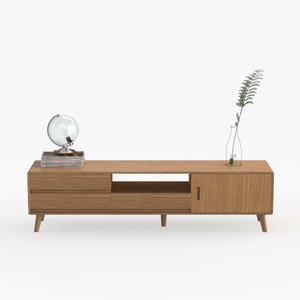
Walker Edison Arundo Fluted TV Stand for TVs up to
Homestyler is your go-to online home design platform! With its easy-to-use design tool, stunning 3D renderings, diverse design projects, and helpful DIY video tutorials, you can effortlessly create and visualize your dream spaces—perfect for both beginners and seasoned designers alike!
تصميم الآن مجانا
































