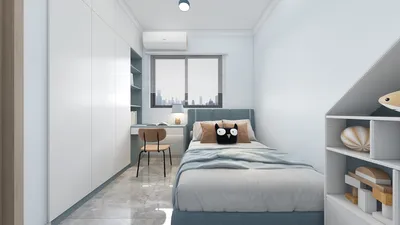


When it comes to designing a compact living room in the Philippines, achieving a harmonious blend of space efficiency, comfort suited to the tropical climate, and everyday functionality is crucial. My approach emphasizes aspects such as furniture dimensions, airflow, glare management, and versatile layouts—while ensuring the aesthetics remain light and culturally relevant. Utilizing a tool like Homestyler can greatly aid in visualizing these elements effectively.
Spaces that are limited in size significantly benefit from research-backed design choices. According to the WELL Building Standard v2, it's important to minimize direct glare and promote circadian lighting, which enhances comfort and sleep quality in bright, humid areas. Research by Steelcase indicates that flexible, multi-purpose zones contribute to a feeling of space and reduce visual clutter, which is particularly beneficial in small settings. For those interested in a deeper understanding of light and ergonomics, looking into the WELL v2 guidelines is recommended.
The Philippines is blessed with an abundance of natural light; however, the intense tropical sun can create uncomfortable hotspots and glare. The Illuminating Engineering Society (IES) recommends a layered lighting approach that includes ambient, task, and accent lighting to balance brightness and alleviate eye strain. This can be achieved in smaller spaces by using dimmable ceiling lights alongside warm task lamps (2700–3000K) and soft, indirect accent lights near seating areas. Color psychology suggests that soft neutrals with warm undertones like light sand and shell white can help open the space visually, while maintaining a cozy atmosphere. Insights from Verywell Mind’s color psychology overview reveal that muted colors can reduce cognitive load compared to more vibrant shades.
Scale, Proportion, and Visual Lightness
In small living rooms, a sense of spaciousness is achieved when furniture is kept low, legs are visible, and surfaces reflect rather than absorb light. I recommend using sofas that measure between 70 to 78 inches, complemented by slim-armed lounge chairs and narrow coffee tables with rounded edges to facilitate movement. Allow for 24 to 30 inches of space for main walkways and 18 inches between the coffee table and seating. A clear base, such as wooden legs or slender metal frames, enhances the impression of floor space.
Layout Blueprints for Tight Spaces
In confined areas, I identify three functional micro-zones: conversation, media, and adaptable work or hobby spaces. Along the longest wall, I suggest positioning a compact sofa with a light console, steering clear of bulky TV cabinets. In corner spaces, a pouf or nesting tables can effectively fill gaps without overwhelming the room. It's advisable to experiment with traffic flow using a practical room layout tool to understand circulation and sightlines before finalizing any arrangements.
Tropical Comfort: Airflow, Heat, and Glare Control
Good ventilation is essential in humid climates. Ensure cross-ventilation by keeping two operable windows unobstructed, avoiding tall shelving that obstructs upper airflow. Sheer curtains combined with roller shades are ideal for diffusing harsh midday sun while safeguarding privacy. If air conditioning is utilized, position seating strategically to avoid direct cold drafts, and consider ceiling fans with reversible motors for energy-efficient air circulation.
Smart Storage That Doubles as Design
Incorporate storage solutions into existing furniture designs: a lift-top coffee table for stashing remotes and magazines, a bench with hidden bins, or a wall-mounted shelf that functions as a media console. In compact rooms, vertical storage is preferable to wide cabinets; aim for wall shelves that are 10 to 12 inches deep, reserving arm-level space for items used daily. Concealing cords with cable management systems and using woven baskets can add texture without leading to visual clutter.
Color, Materials, and Texture for Filipino Homes
I advocate for the use of breathable materials suited to tropical conditions, such as rattan, cane, as well as natural woods like acacia and teak, alongside moisture-resistant fabrics. It’s effective to pair a light neutral base with bold accents drawn from local craftsmanship—like indigo ikat or terracotta weaves—used sparingly through cushions or singular art pieces. High-reflectance paints (LRV 65–80) help brighten spaces, whereas matte finishes balance glare near windows.
Lighting Layers and Circadian-Friendly Warmth
Employ a three-layered lighting strategy: a compact ceiling fixture for ambient light, table or floor lamps in the 2700–3000K range for task lighting, and small LED strips for aesthetic accents on shelves. The WELL v2 standard highlights the importance of minimizing glare and supporting natural day-night cycles; dimmable lighting options enable a smooth transition to softer light in the evening hours. If screen usage is prevalent, ensure balanced luminance so that wall shadows minimize the screen’s brightness as the lone light source.
Acoustic Ease in Hard-surfaced Interiors
Ceramic tiles and concrete are typical in Filipino residences, yet they can increase sound reflection. To counter this, introduce a flatweave or low-pile rug, soft window treatments, and upholstered furniture to reduce echoes. A bookcase placed strategically in a corner can diffuse sound reflections, facilitating comfortable conversation without the need for imposing acoustic panels.
Ergonomics and Human Factors
Optimal seat height ranges from 17 to 18 inches for most adults, and armrests positioned 7 to 9 inches above seat height offer necessary support while maintaining a slim profile. Keeping the primary viewing distance from the sofa to the TV around 1.5 to 2.5 times the diagonal size of the screen is ideal. Ensure passageways are a minimum of 24 inches wide; in very compact rooms, angling furniture can create diagonal pathways that feel more expansive compared to linear corridors.
Flexibility: Hosting, Work-from-Home, and Daily Life
When entertaining guests, consider the utility of nesting tables or foldable stools for convenient storage. A wall-mounted, drop-leaf desk can establish a minimal workspace without taking up too much floor space. Multi-functional ottomans can serve both as footrests and side tables, while adjustable lighting allows for easy transitions from family gatherings to focused tasks.
Budget Tips with Local Flair
Blend affordable core furnishings with a standout piece—like artisanal handwoven baskets or intricately carved wooden artworks. Quality over quantity is key: invest in a durable sofa, a reliable fan, and breathable materials. Repurposing items, such as a capiz shell lamp, introduces local texture and offers soft illumination by night.
Micro Layout Recipes
• Studio: Two-seater sofa plus round coffee table and wall-mounted media shelf; supplement with a floor lamp behind the sofa and a pouf for extra seating.
• Narrow room: Loveseat positioned against the long wall with a swivel chair opposite to maintain sightlines; utilize a slim console beneath the TV.
• Square room: Low-profile sectional in an open corner paired with nested tables; place a plant near the window for vertical relief.
Maintenance and Durability
Humidity often leads to mildew growth, hence it’s wise to select removable cushion covers, breathable fabrics, and uplift furniture slightly off the ground. Opt for sealed woods and rust-proof hardware. Ensure window treatments are washable and make a habit of vacuuming rugs on a weekly basis.
FAQ
Q1: How can I make a small living room feel larger without major renovations?
A: Integrate low-profile furniture with visible legs, maintain walkways of at least 24 to 30 inches, and capitalize on vertical storage solutions. Soft, warm neutrals and layered lighting help reduce visual heaviness and create a sense of depth.
Q2: What lighting color temperature works best for tropical homes?
A: Aim for 2700–3000K for a warm evening ambiance and utilize dimmable fixtures. Balancing natural light with sheer curtains helps manage glare and hotspots in accordance with IES best practices.
Q3: Which materials can withstand humidity effectively?
A: Materials like rattan, cane, sealed solid woods (such as teak or acacia), durable fabrics, and powder-coated metals resist moisture and require minimal upkeep.
Q4: How do I effectively plan a layout in a tight room?
A: If feasible, position the sofa away from walls, utilize narrow coffee tables, and experiment with circulation using an easy-to-use interior layout planner to enhance movement and sight lines.
Q5: What’s the recommended viewing distance for a TV in a compact space?
A: The ideal distance is approximately 1.5 to 2.5 times the screen diagonal, which keeps visual comfort intact; balance ambient lighting to prevent eye fatigue.
Q6: How can I minimize echo in hard-surfaced rooms?
A: Incorporate rugs, soft drapes, upholstered seating, and strategically placed bookshelves along reflective walls. These features help effectively absorb and scatter sound.
Q7: Which colors are most suitable for small living rooms?
A: Select soft neutrals with warm undertones (like sand or shell white) to create an illusion of expansion; use carefully chosen accent colors in textiles or art to infuse character without creating a cluttered feel.
Q8: How can I accommodate work-from-home needs without overcrowding my space?
A: Introduce a wall-mounted drop-leaf desk with a task lamp and ensure effective cable management. Opt for a compact chair that can be stowed away when not in use.
Q9: What window treatments are effective in managing tropical sunlight?
A: Combine sheer curtains with roller shades to diffuse harsh sunlight while allowing for unobstructed airflow.
Q10: Are ceiling fans beneficial even if I have air conditioning?
A: Absolutely. Ceiling fans enhance the perception of cooling and can decrease reliance on air conditioning; however, arrange seating to avoid exposure to direct drafts for optimal comfort.

Rustic Solid Oak Round Coffee Table Unique Geometric Base 3D Model

Minimalist Solid Wood Accent Cabinet with Textured Top 3D Model

Modern Solid Wood Brass Accent Single Drawer Coffee Table 3D Model
Looking to transform your home? Homestyler is the ultimate online design platform, offering an easy-to-use design tool, stunning 3D renderings, and a wealth of inspiring design projects. Plus, with helpful video tutorials, you'll unleash your creativity and bring your vision to life effortlessly!
立即免费设计
































