

Living in a compact space shouldn't signify sacrificing comfort. I have designed numerous small apartments, studios, and micro-homes, where each square inch plays a critical role, and wall-hugger recliners consistently provide both support and space efficiency. A genuine wall-hugger utilizes a forward-glide mechanism, allowing it to recline while only requiring a minimal space behind—usually between 2 to 6 inches compared to the 12 to 18 inches that standard recliners necessitate. This distinction is especially significant in tight settings where circulation routes need a minimum of 30 inches in most configurations.
In confined areas, these saving inches contribute to improved circulation and diminish visual clutter. Steelcase research has established connections between postural choices and micro-movements that enhance ongoing comfort and task performance, indicating that varying support can alleviate musculoskeletal strain during lengthy sitting periods. The WELL v2 framework further highlights the importance of ergonomic seating that preserves neutral joint positions and promotes lumbar curvature—qualities that wall-hugger designs can perfectly accommodate when tailored correctly. By applying these standards, I assess recliners beyond mere aesthetic qualities, paying close attention to lumbar shape, seat depth, and leg elevation angles.
Why Wall-Hugger Recliners are Perfect for Compact Spaces
In contrast to traditional recliners that lean backward, wall-hugger mechanisms smoothly glide forward and downward, keeping the back close to the wall. In a small living room, this adjustment preserves a vital 8 to 12 inches of circulation space. Most people find comfort in seat heights ranging from 17 to 19 inches and seat depths of 19 to 22 inches; these measurements assist in keeping knee and hip alignment optimal. I prioritize models that offer at least three positions: upright (with a back angle of 90 to 100°), TV-view (105 to 115° angle), and an extended recline that raises the feet to a level near the heart for eased pressure.
Essential Ergonomic and Comfort Features
• Lumbar support: A moderate S-curve design that supports the lower back can reduce strain on the L3 to L5 vertebrae.
• Armrest positioning: A height of 7 to 9 inches above the seat ensures relaxed shoulders and diminishes tension in the trapezius.
• Footrest elevation: An angle between 30 to 45° aids blood flow without straining the hamstrings.
• Cushion quality: Layered foam (a firmer base with a softer top layer) prevents sinking too deep while managing pressure at sit bones.
• Fabric selection: In small spaces, thermal comfort can fluctuate—opt for breathable performance textiles or leather with micro-perforations for effective heat regulation.
Best Wall-Hugger Recliners for Limited Spaces
• Compact manual forward-glide recliners: Lightweight and with fewer components, these are easy to position and provide cost-effective options.
• Zero-clearance power recliners: These are perfect when precise positioning is essential as they glide forward smoothly, stopping exactly at your desired location—ideal for tight audio-visual setups.
• Petite-scale recliners: Having narrower structures and shorter back heights suits lofts and studios, particularly models designed for individuals under 5'6" to avoid overly long seat pans.
• Recliner-loveseat combinations: Two-seat wall-huggers with a common center console save space compared to separate chairs.
Sizing and Fitting: Choosing the Right Dimensions
For small living rooms, often measuring 10'×12' or 12'×14', I recommend chairs with an overall width of 30 to 36 inches and a depth between 35 to 40 inches. It is crucial to measure the fully reclined area; many wall-huggers extend from 60 to 68 inches, but the forward glide function may require only 2 to 6 inches of space behind. Maintain 24 to 30 inches in front for footrest extension to ensure smooth circulation.
Arranging Strategies for Small Rooms
When positioning a wall-hugger, align primary sight lines to the television or a focal wall while avoiding pinch points. Leave the recliner 2 to 4 inches away from the wall to allow area for skirting or baseboards, and slightly rotate the chair (10 to 15 degrees) to facilitate traffic flow. In small studios, match one wall-hugger with a compact side table (12 to 16 inches in diameter) and a low-profile lamp to minimize visual bulk. For testing placements and clearance, using a room layout tool can help visualize circulation and recline space: a tool like Homestyler can be invaluable.
Design Considerations: Materials, Color Schemes, and Acoustics
• Color choices: Soft neutrals (like light gray or sage) recede visually, making tight rooms feel more spacious. Cool colors such as blues and greens are associated with reduced stress and may complement evening relaxation routines.
• Texture: Matte and tightly woven fabrics limit glare, which can feel more noticeable in compact settings.
• Acoustic properties: Fabric recliners in small areas absorb more sound than hard leather. Adding a low-pile rug and drapes can dampen mid-frequency echoes to create a quieter lounging space.
• Eco-friendliness: Seek out frames that are FSC-certified, use water-based adhesives, and choose performance fabrics that carry third-party certifications whenever possible.
Power Versus Manual Systems
Power wall-huggers shine in precise positioning, making them ideal for households with multiple users. However, they necessitate the use of cables and require a power outlet; a battery pack may be worth considering if you dislike visible cords. On the other hand, manual models tend to be lighter and more mobile. Regardless of the type, test the mechanism for smooth functioning and minimal noise; a quiet motor or well-lubricated glide is crucial in smaller rooms where background noise can be more perceptible.
Key Features to Consider
• Forward-glide zero-clearance design that requires only 2 to 6 inches of space behind.
• Varieties in petite or standard size with an array of back heights (typically 38 to 42 inches).
• Adjustable lumbar or contoured backrest that maintains a neutral spine posture.
• Firm but yielding foam layering; be wary of overly cushy seats that can sag too quickly.
• Sturdy fabric that endures over 30,000 double rubs or premium leather; stain resistance is beneficial in multipurpose living spaces.
• Slim arm designs to minimize width while ensuring comfort remains intact.
• Quiet operation along with concealed glide mechanisms.
• Easy-to-clean features, like base detailing and removable cushions where available.
Placement Guidelines for Doors, Windows, and Media Walls
Ensure a clear space of 3 feet is maintained at door swings and at least 18 inches by windows to facilitate operation. If the recliner is facing a media wall, keep a comfortable viewing distance of about 1.2 to 1.6 times the diagonal measurement of your screen. For a 55-inch screen, that ranges from approximately 5.5 to 7.3 feet. Additionally, manage lighting effectively by using warm LED options (2700 to 3000K) with glare-reducing qualities to enhance comfort in reflective small rooms. Following IES standards can enhance visual comfort and minimize eye fatigue, especially when a bright screen is seen alongside darker areas.
Maintenance, Care, and Longevity Tips
In compact spaces, furniture often needs to serve multiple purposes. Regularly vacuum fabric, spot clean per the manufacturer's guidelines, and treat leather every six months. Annually, check glide tracks and tighten any fasteners; small mechanisms bear concentrated loads and benefit from routine upkeep. If you have pets, consider using tightly woven fabrics and darker colors to help hide wear.
Common Use Cases for Wall-Huggers
• Studio apartments: Position one compact power wall-hugger next to a low-profile bookcase for a mini lounge area.
• Senior-friendly residences: A manual wall-hugger featuring firm arms aids user stability without consuming excessive space.
• Children's gaming areas: Smaller recliners crafted from performance fabrics can withstand spills and transform into sleep-inviting positions for quick naps.
Frequently Asked Questions
Q1: How much space is needed for a wall-hugger recliner? A: Most options require around 2 to 6 inches behind the back. Check for the reclined footprint and ensure at least 24 inches upfront for leg extension and circulation.
Q2: Is a wall-hugger suitable for extended sitting? A: Absolutely, provided that the lumbar support and seat depth are appropriate for your body. Research from Steelcase supports the idea that diverse postures and supportive shapes enhance comfort during long periods of sitting.
Q3: In a compact setting, which is better—power or manual? A: Power recliners offer precise positioning for communal use, while manual types are lighter and easier to move around. If visible cords are a concern, battery packs are an option for power recliners.
Q4: What dimensions are optimal for seating in limited spaces? A: Target a seat height between 17 to 19 inches and a depth of 19 to 22 inches. Petite models work best for users under 5'6"; taller individuals may need to select deeper seats for better leg support.
Q5: Do darker colors make small rooms feel constricted? A: Indeed, very dark, saturated colors may compress visual space. Softer, cool neutrals like slate or sage generally create a more tranquil and expansive atmosphere.
Q6: Is it possible to position a wall-hugger near a window? A: Yes, but maintain a space of at least 18 inches to allow window functionality and consider UV-protective fabrics or shading options to prevent fading.
Q7: How can I minimize glare while watching TV from a recliner? A: Employ warm LED light sources (around 2700 to 3000K) and diffuse lighting options. Control luminance disparity in line with IES advice to lessen eye strain in confined settings.
Q8: What upkeep enhances the longevity of recliner mechanisms? A: Regularly vacuum fabric, condition leather seasonally, and inspect glide tracks yearly. Tightening fixtures and lubricating moving elements will help avoid noise or uneven operations.
Q9: Are wall-huggers beneficial for older individuals? A: Certainly. Look for models with sturdy arms for easy standing, a moderate seat height (around 18 inches), and mechanisms that operate smoothly without excessive force needed.
Q10: Can I fit two recliners in a small living area? A: Often yes—choose recliners with slender arms and utilize shared side tables. Alternatively, a two-seat wall-hugger loveseat might effectively save space.

Modern Minimalist Oval Dining Table With Acrylic And Fabric Chairs 3D Model

Minimalist Japandi Rattan Solid Wood Armchair with Linen Cushions 3D Model
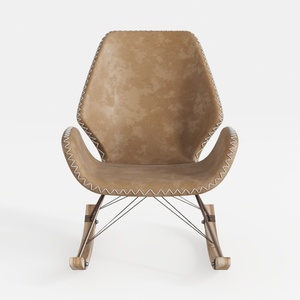

Modern Leather Upholstered Rocking Chair with Solid Wood Base 3D Model
Discover the magic of home design with Homestyler! This user-friendly platform offers an intuitive online design tool, stunning 3D renderings, and an abundance of inspiring design projects. Plus, you can learn from engaging video tutorials. Transform your space effortlessly with Homestyler!
Diseño ahora GRATIS
































