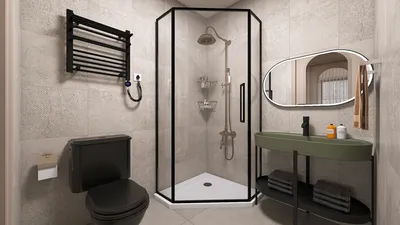


I frequently design compact utility spaces, and integrating a thoughtfully selected small laundry sink can significantly enhance workflow, hygiene, and storage without overwhelming the area. The ideal choice is a sink that accommodates hand-washing delicate items, treating spots, and rinsing mops while maintaining the necessary clearances for appliances, door movements, and space for circulation. Utilizing tools like Homestyler can greatly assist in visualizing these aspects during the design process.
Real-world evidence demonstrates the benefits of well-planned utility spaces. According to research by Steelcase, organized zones tailored to specific tasks can boost productivity by minimizing task-switching and reducing search times. In the context of laundry, carefully designated areas around sinks can minimize delays in stain treatment and cleaning. Additionally, the WELL Building Standard (WELL v2) emphasizes the importance of hygiene and hand-washing accessibility for health-oriented environments, a principle I apply to utility spaces within residential designs. For more comprehensive design insights, I regularly align my choice of finishes and ergonomic features with the guidance provided by WELL v2.
Essential Factors to Consider When Selecting a Compact Laundry Sink
My standard requirements for compact laundry sinks involve a basin width ranging from 15 to 24 inches. Anything less than 15 inches can lead to poor splash management and inadequate depth, whereas widths exceeding 24 inches might restrict access to appliances or hamper placement. An interior depth of 9 to 12 inches typically suffices for hand-washing delicate items and soaking, while reducing the need for excessive bending. Lighting should be aimed at 300 to 500 lux at the sink, in line with IES task-lighting recommendations; pairing this with a neutral-white color temperature of 3000 to 3500K optimizes stain visibility without causing glare.
Best Space-Saving Sink Options
Perfect for extremely tight laundry areas or utility niches, a 16–20 inch wall-mounted sink provides valuable floor space for baskets or a compact rolling cart. It’s essential to choose sinks with concealed carriers that are load-rated, ensure wall reinforcements, and feature a rear ledge to manage splashes, all while promoting better airflow around front-load washers.
An 18 to 24 inch undermount sink placed under a 21 to 24 inch base cabinet offers concealed storage for cleaning supplies, maintaining a clear countertop for sorting tasks. Opting for a single-bowl design with rounded edges facilitates easier cleaning and enhances hygiene.
Stainless steel is durable against heat and staining from laundry detergents and bleach. A 15 to 18 inch drop-in design featuring a raised rim aids in controlling spills. It’s beneficial to combine this with a deck-mounted faucet designed to minimize drips and a pull-out sprayer for precision pre-treatment. For sound management, including sound-dampening pads below the bowl helps to reduce metallic noise resonance.
For galley-style utility rooms, consider a narrow integrated module that combines a countertop and molded sink, ensuring minimal seams for better waterproofing and effortless cleanup. This setup allows for a seamless surface for folding laundry and conducting spot cleaning.
Ergonomics and Sink Height
Comfort is crucial for scrubbing and soaking tasks. I recommend positioning sink rims between 34 and 36 inches above the finished floor for most users, reflecting standard kitchen ergonomics while accommodating reach depth. Pairing a shallow 9 to 10 inch bowl with a high-arc faucet and pull-out spray feature can help prevent excessive bending. If multiple users of differing heights are involved, integrating a footrest ledge within the base cabinet can alleviate lower back strain during extended cleaning sessions.
Faucets, Sprayers, and Control of Splashes
A pull-out or pull-down sprayer is extremely useful for stain treatment as well as rinsing out buckets. Opting for laminar flow or aerated stream options can help manage splashes effectively. Including a swivel spout with a reach of 7 to 9 inches ensures coverage in the corners of smaller basins. When using bleach, it's advisable to select brass faucets featuring PVD finishes for durability, along with ceramic cartridges to withstand frequent changes in temperature.
Material Selection: Balancing Durability and Hygiene
Stainless steel (304 or 316) offers a balance between cost and sturdiness, especially where bleach and hot water are regularly utilized. Fireclay is heat resistant and has a gentler surface on delicate fabrics but is heavier and requires robust support. Composite granite resists scratches and features a matte finish that conceals water spots; opting for darker shades can help mask any stains. For eco-friendliness, prioritize low-VOC sealants and cabinets made from formaldehyde-free cores.
Bowl Geometry and Functional Usability
Rounded internal corners make rinsing easier. I suggest a 2 to 3 inch rear deck to accommodate soap, stain sticks, and small brushes. If space permits, a slight slope (1 to 2%) toward the drain along with a rear or corner drain can keep the basin center clear for buckets. Strainers equipped with lift-out baskets help avoid lint clogs.
Storage Solutions Around the Sink
In compact laundry spaces, vertical space is often overlooked. Incorporating a narrow pull-out for stain removers, a tilt-out bin for brushes, and an upper cabinet with shallow shelves for microfiber cloths can make a big difference. Installing a short rail beneath the upper cabinet will provide a drying area for smaller items. If you're still refining circulation and appliance clearances, utilizing a simple room layout tool like Homestyler can help simulate door swings, hamper placements, and knee space at the sink.
Understanding Noise and Acoustic Comfort
Thin stainless bowls can produce noise. It’s advisable to choose sinks with undercoating and sound-dampening pads while also adding soft-close mechanisms to adjacent cabinetry. To enhance overall noise control in reflective laundry rooms, consider decorative wall finishes such as acoustic panels covered in moisture-resistant fabric or cork-backed coverings, while ensuring splash zones are easy to clean.
Effective Lighting and Color Psychology
I prefer a layered lighting approach that consists of ambient ceiling lighting coupled with a focused under-cabinet fixture providing 300 to 500 lux at the rim. Neutral-white lighting at 3000 to 3500K helps maintain natural color rendition, crucial for identifying stains without straining the eyes. Regarding color psychology, the neutral tones suggested by Verywell Mind, such as soft grays and light taupe, contribute to a calm task-focused environment, with fresh green accents subtly reinforcing notions of cleanliness and rejuvenation in laundry areas.
Considerations for Drainage, Overflow, and Waterproofing
A compact basin benefits from an overflow feature, especially during the hand-washing process for delicates. It is essential to waterproof the adjoining wall with a washable and water-resistant surface, utilizing silicone joints. Ensure the faucet deck is angled slightly backward to prevent water from pooling. Seal the interior of cabinets close to plumbing entries to combat moisture damage.
My Recommended Compact Sink Choices by Situation
A 16 to 18 inch wall-mounted stainless sink paired with a high-arc sprayer faucet is ideal for maintaining clear circulation flow.
An 18 to 21 inch undermount single-bowl sink within a 24 inch base cabinet, made from composite granite, is excellent for scratch resistance.
A 15 to 18 inch drop-in sink with a raised rim; ensure sound-dampening pads are included along with a compact gooseneck faucet.
A 20 to 24 inch fireclay undermount option features a deeper 11 to 12 inch bowl suitable for boots and larger buckets, provided there’s strong cabinet support.
Installation Guidelines
Verify that there’s adequate stud backing for wall-mounted models. For undermount sinks, apply clip kits and continuous beads of silicone for a seamless installation. Try to align the faucet rough-in centrally with the drain wherever feasible to enhance both symmetry and spray coverage. Incorporate an accessible shutoff valve panel into the base cabinet design.
Maintenance and Sustaining Longevity
Rinsing immediately after using bleach is essential to prevent corrosion in metal sinks. Employ non-abrasive cleaning pads on fireclay and composite granite sinks. Strainers should be cleaned weekly to prevent unpleasant odors, and high-usage homes should check caulk lines quarterly for integrity.
Understanding Cost Estimates
Compact stainless drop-in models typically fall into the budget-friendly category. Composite granite and fireclay sinks typically range from mid to high-tier pricing, depending on the aesthetic finish and brand quality. Be sure to budget for faucet hardware equipped with a reliable sprayer, as this feature greatly enhances functionality in small sinks.
Frequently Asked Questions
Most of my compact projects utilize sinks that measure 15 to 24 inches wide and 9 to 12 inches deep. This dimension supports both soaking and scrubbing tasks without crowding appliances.
Stainless steel performs well against heat and bleach, and its lightweight nature is advantageous. Fireclay is smooth and heat resistant but heavier, while composite granite holds up against scratches and keeps water spots hidden; opting for darker options can help in cases of staining.
Yes, using a pull-out sprayer to pre-treat stains or rinse out buckets is effective. This feature also minimizes splashes while maximizing reach in compact basins.
Position the sink rim approximately 34 to 36 inches above the floor for optimal comfort among most users. Pair this with a high-arc faucet to facilitate ease of use and reduce bending.
It’s beneficial to specify sound-dampening pads and undercoating for sinks. Soft-close cabinet hardware and sound-absorbing wall materials will effectively manage noise levels.
Aim for 300 to 500 lux of illumination at the sink using under-cabinet task lighting paired with a color temperature range of 3000 to 3500K to ensure accurate color perception.
A wall-mounted sink size of 16 to 18 inches is frequently the most optimal choice, providing ample floor space while ensuring effective circulation.
A compact basin is particularly useful for tasks like hand-washing delicates and soaking items, as this can lower the risk of spills in smaller sinks. Make sure to incorporate waterproof surfaces around the sink area.
Use simulation tools for planning room layouts to account for door swings, hamper placement, and sink knee space. A simple design tool like Homestyler can help prevent overcrowding prior to final installation.
Ensure easy access to hand washing and select easy-to-clean materials. Guidelines from WELL v2 can assist in supporting hygiene-focused design principles, a worthwhile consideration in residential utility spaces.

Homestyler is your go-to online home design platform! It offers a user-friendly design tool, stunning 3D renderings, a wealth of design projects, and helpful video tutorials. Perfect for anyone looking to create their dream space effortlessly and inspiringly. Dive into home design today!
Progetta ora GRATIS
































