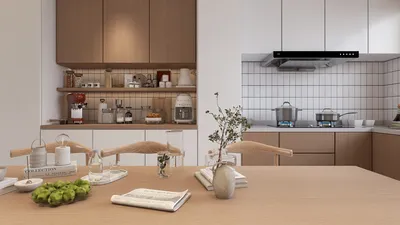


As the concept of future living continues to evolve, the challenges posed by limited space and diverse daily routines call for a more refined approach. Recent data from the NAHB indicates a notable decrease in average unit sizes in urban areas, while the demand for adaptable spaces is on the rise. This is precisely where a compact Japanese apartment layout can serve as a prototype for the homes of tomorrow. In these innovative spaces, each room transcends its traditional function, becoming dynamic environments that facilitate energy, concentration, and rejuvenation. I have come to interpret these areas as living software, enhancing user experiences with tools like Homestyler.
Micro Tatami Core + Sliding Perimeter
Design Principle: The central tatami serves as the core element, integrating functions for sleeping, dining, and meditation into a single, multifunctional space. This design includes shoji sliding elements that can be adjusted for varying levels of privacy.
Flow Configuration: Starting from the entryway, through a compact galley kitchen, to the tatami core and out onto the balcony; this layout ensures a logical progression that reduces the need for backtracking while maintaining a serene atmosphere.
Visual Lines: The design features low horizons and translucent shoji that serve as layered visual interfaces, revealing task spaces close by, garden views in the middle distance, and the sky far above—creating a peaceful visual hierarchy.
Storage Solutions: Elevated tatami storage with pull-out compartments, vertical pantries, and cabinets above doorways help optimize space by cleverly utilizing the edges, almost like an efficient memory system.
Furniture Specification: The dining surface measures between 72-80 cm, complemented by floor cushions and foldable futons, ensuring that every detail is meticulously measured in millimeters to align with tatami module dimensions.
Conclusion: This layout prioritizes a core-first approach geared towards hybrid living. Even after five years, it remains precise, tranquil, and adaptable to shifting routines, embodying the essence of modern living spaces.
save pinOpen in 3D Planner Processing...
Galley Kitchen Spine + Washitsu Pocket
Design Principle: A linear kitchen backbone manages elements such as heat, odors, and workflow, while a small washitsu pocket transforms into a versatile space for hosting guests, enjoying tea, or engaging in video calls—ensuring that it meets future demands gracefully.
Flow Configuration: The sequence begins at the door with a shoe-drop area, leading into the kitchen spine, then to the pocket room, and finally into the sleeping area—functioning like a streamlined pipeline that accommodates personal tasks seamlessly.
Visual Lines: The design employs framed corridor views to maintain order; opaque at the entrance for a moment of quiet, becoming transparent midway to create a sense of depth and openness.
Storage Solutions: There's a shoe storage area at the genkan, a pull-out pantry designed in sizes of 15-30 cm, and ceiling rail bins; these configurations allow for organized memory systems that adapt to daily and weekly needs.
Furniture Specification: The kitchen features a compact cooktop measuring 45 cm, prep zones of 50-55 cm, and foldable chabudai tables, ensuring that all elements fit within tight constraints for smooth operations.
Conclusion: This kitchen spine efficiently structures daily life, resembling a version control system—clean actions, reversible changes, and resilient adaptability to the ever-evolving rhythm of urban living.
save pinOpen in 3D Planner Processing...
Lofted Sleeping Mezzanine + Modular Living Deck
Design Principle: Elevating the sleeping area to a mezzanine allows the main living deck to be used for daily activities and micro-work, thus increasing vertical space in compact urban settings without creating clutter.
Flow Configuration: The journey flows from the genkan to a storage wall, then to the living deck and up the ladder to the loft; this deliberate structure ensures that resting areas are elevated while daytime activities remain fluid and integrated.
Visual Lines: Low-profile furniture maintains an open feel; the guardrail for the loft softly filters views, hinting at volume while minimizing visual noise.
Storage Solutions: The design incorporates drawers beneath stair-ladders, a wall grid tailored to 30 cm modules, and cache spaces under the sofa, forming a multi-layered approach to memory that keeps latency at a minimum.
Furniture Specification: The living area includes a sofa measuring 180-200 cm with a shallow profile, nesting tables, and a tread rise of 24-27 cm; every measurement is precisely tuned to ergonomics and narrow tolerances.
Conclusion: By utilizing vertical space, this concept reframes small living; even after five years, the deck retains its adaptability while the loft area remains a safeguarded sleeping zone.
save pinOpen in 3D Planner Processing...
Final Thought
Embracing a compact Japanese apartment layout is not about sacrificing comfort; rather, it represents an advanced operating system for daily rituals, clarity, and designed interactions. Its language—features like genkan, tatami, and shoji—functions as code blocks that enrich the meaning of compact homes without increasing the overall size. Whether you refer to it as micro living or compact urban dwelling, the future depends on thoughtfully designed modules and intentional flows. From my perspective, the most intelligent homes of the future will not necessarily be larger—just more purpose-driven, especially with the support of tools like Homestyler.
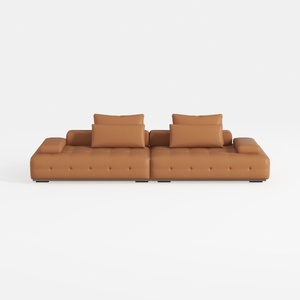

Valencia Nathan Nappa Leather Couch - 4 Seats with
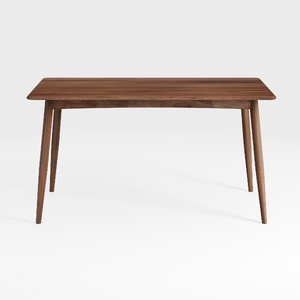
SAFAVIEH Home Collection Reid Walnut Computer Tabl
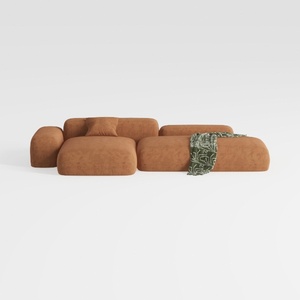
Oversized L-Shaped Sectional Sofa with Ottoman
Homestyler is your go-to platform for effortless home design! With a user-friendly online design tool, stunning 3D renderings, and a plethora of design projects and DIY video tutorials, you can easily create and visualize your dream spaces—perfect for both beginners and seasoned decorators!
Zaprojektuj teraz za darmo
































