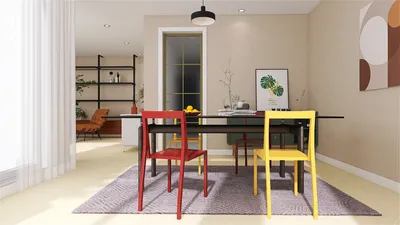


I have provided compact housing solutions to clients working within stringent budgets in a variety of climates, and some principles remain constant: maintaining proper sizing, focusing on constructible details, and ensuring early visibility into costs are more effective than flashy line-item reductions. The efficiency of small homes increases when every square foot serves a purpose—this means that considerations such as spatial efficiency, envelope performance, and simplified systems collectively help to lower both initial investment and long-term costs.
One of the most powerful strategies is right-sizing. Research from Gensler shows that the effectiveness of space—rather than just sheer area—impacts user experience; this concept applies equally in residential design where multifunctional rooms and optimized circulation can reduce the overall area by 8-10%, leading to significant savings on both materials and labor. In terms of well-being, the WELL v2 guidelines indicate that access to natural light as well as strategic lighting designs can enhance productivity and comfort; optimal window placement that maximizes daylight can also decrease electrical loads and reduce the need for oversize lighting circuits. I follow recommendations from the Illuminating Engineering Society (IES) to achieve the desired levels of brightness while avoiding excessive fixture specifications, which helps save considerable costs in each room while improving visual comfort.
Durable materials and ergonomic design can yield significant savings over time. Studies by Herman Miller highlight how human factors—such as reach zones, posture, and task areas—relate to minimizing strain and effectively utilizing compact spaces; ensuring the right counter heights and clear pathways helps avoid unnecessary revisions while making small living areas more functional. Using resilient finishes in high-traffic areas minimizes maintenance cycles—this approach is budget-friendly upfront but protective in the long run.
Core Budget Framework
Establish a strict cost-per-square-foot benchmark at the outset and plan in reverse. In many areas of the U.S., straightforward small homes utilizing slab-on-grade construction and conventional framing can fit within a modest cost range when details are managed carefully. Ensure form simplicity, avoid complicated rooflines, and maintain continuity in the building envelope. Each jog or roof valley introduces extra flashing, labor, and risk. Strive for a single plumbing core to centralize the kitchen, bathroom, and laundry, minimizing the need for extensive runs and penetrations.
Smart Footprint and Layout Moves
Initiate your design with a compact rectangle (24 to 28 feet deep is optimal for both framing efficiency and natural light) and align the width with standard lumber sizes to mitigate waste. It’s beneficial to create one expansive great room that merges the kitchen, dining, and living spaces, followed by a flexible room that could serve as home office or guest area. Integrate circulation as an inherent part of these areas, rather than using hallways. To rapidly explore adjacencies and furniture layouts, using a room layout planner such as Homestyler can help assess clearances and sightlines effectively before construction begins.
Envelope First: Where Frugality Meets Performance
Invest wisely in the building envelope, where spending yields the greatest returns. A continuous air barrier, meticulous insulation at rim joists, and properly sealed sheathing provide superior performance compared to expensive windows that are poorly installed. Optimize window sizing; position larger windows facing south for passive heating in cooler climates, and use modest, well-shaded openings on the west to manage solar gain. Properly sized overhangs based on latitude will provide seasonal shading. For cost efficiency, maintain consistency in window types to take advantage of bulk pricing and simplify flashing details.
Lighting and Electrical Simplification
Implement layered lighting thoughtfully while avoiding fixture overload. Aim for IES-recommended illuminance levels with fewer but higher-quality fixtures: one ambient layer (surface-mounted or limited recessed), task lighting at counters and desks, and low-glare wall lights in circulation areas. Selecting 3000–3500K lighting will provide warm-neutral comfort, and including dimming features in primary zones can help reduce installed wattage. Fewer electrical circuits mean reduced penetrations and cleaner ceilings, leading to lower costs and better lighting quality.
Structure and Roof Strategies
Simple structural spans excel in cost-effectiveness. Choose stick-framed roofs (gable or shed) for efficiency; avoid hip and dormer designs unless they serve critical functional reasons. Whenever possible, maintain rafter or truss spans under approximately 24 feet to reduce the size of structural members. Align load-bearing walls to create direct load paths and use a single plate height for easier siding and drywall installation.
Mechanical, Plumbing, and HVAC
Create a compact mechanical core and ensure a sealed envelope to allow for smaller HVAC systems. In numerous small homes, a single ducted mini-split air handler or two ductless units can manage loads efficiently when the envelope is well-constructed. Position wet areas—kitchen, bath, laundry—adjacently to limit pipe runs and streamline fixtures for procurement efficiency and spares.
Material Selection: Honest, Durable, Repeatable
Select materials that are quick to install and built to last. Standardized sheet goods (4x8 panels) minimize cutting waste; click-lock flooring reduces labor effort. Utilize moisture-resistant finishes in bathrooms and entryways. Follow a two-palette approach: one for the exterior system and another for interior finishes with accents limited to trims and fixtures. Where budgets are constrained, prioritize investment in door and window flashing, subfloor adhesives, and durable countertop edges; these contribute to longevity without incurring headline costs.
Color and Small-Space Psychology
Leverage color to create an illusion of space. Insights from Verywell Mind on color psychology suggest that lighter shades can enhance the perceived volume of a room; soft off-whites with warm undertones help avoid a sterile look while reflecting daylight deeper within the space. Use contrasting colors strategically for focal walls, millwork, or entrance doors to inject character without adding square footage.
Acoustic Comfort in a Compact Plan
Noise can accumulate in small homes. Insulate interior walls between bedrooms and bathrooms, opt for solid-core doors in privacy-sensitive areas, and if possible, keep the refrigerator wall distant from sleeping areas. Using area rugs and fabric panels can efficiently reduce reverberation in the great room.
Site, Foundation, and Drainage
Prioritize grading for positive drainage initially; managing water effectively is crucial for budget adherence. A slab-on-grade construction with perimeter insulation is usually the simplest and most economical choice for flat sites in mild climates. In colder regions, consider shallow frost-protected slabs as a cost-effective alternative to deep basements while ensuring performance. Cluster utility entries to minimize trenching requirements.
DIY vs. Pro: Where to Save, Where Not To
If you possess DIY skills, consider tackling demolition, painting, landscaping preparation, and simple trim work to save costs. However, refrain from cutting corners on structural framing, waterproofing, roofing, and electrical work—errors in these areas can quickly negate any savings. It's best to engage licensed professionals for life-safety tasks and ensure timely inspections.
Phasing and Flex-Ready Design
Plan now for future expansions. Create provisions for a potential second bedroom or a small porch to be added later. Cap plumbing for a future half-bath and design the roof in a way that could accommodate a small shed addition without the need for reengineering. These strategies keep initial expenses low while safeguarding your long-term goals.
Sample Budget Priorities
- Prioritize spending on: building envelope integrity, effective flashing, air sealing, quality windows, insulation, moisture management, and appropriately sized HVAC systems.
- Save costs through simple designs, standardized openings, limited finish selections, off-the-shelf cabinetry with upgraded hardware, consolidated plumbing systems, and fewer fixtures placed more effectively.
Permitting, Codes, and Inspections
Identify local code requirements early, as tiny homes, accessory dwelling units (ADUs), and small primary residences entail different specifications. Maintain an organized set of drawings paired with schedules for windows, doors, finishes, and fixtures in order to minimize change orders. Building mock-ups for critical details (like window corners or shower pans) can help avoid unexpected costs later on.
Project Flow I Recommend
1) Establish budget and dimensions. 2) Design a compact rectangular layout that features a single plumbing core. 3) Utilize a layout simulation tool, such as Homestyler, to confirm furniture placements and clearances. 4) Solidify your structural grid and select the roof type. 5) Choose a minimalist palette and consistent details. 6) Bid earlier with clear alternatives (vinyl versus fiber-cement siding, for example). 7) Phase in non-essential items, like porches or built-ins, for subsequent implementation.
Trusted References
For further insights into spatial effectiveness and human-centered factors, consult Gensler Research and the WELL v2 framework focusing on light and comfort. These resources can inform low-cost strategies aligned with health and usability rather than misleading savings.
FAQ
There comes a point where fixed costs dominate. Below approximately 350-450 square feet, kitchens, bathrooms, and utilities make up a significant portion of total costs, which means savings per square foot start to diminish. Typically, the optimal size for many budgets lies between 500 and 800 square feet, focusing on a single plumbing core and a straightforward roof design.
In level areas with mild climates, indeed. You can lower costs related to excavation, formwork, and stair construction. For frost-prone regions, employing a frost-protected shallow foundation may still be a cost-efficient choice compared to full basements, provided that both detailing and insulation are executed properly.
A single gable or conveyor-style (shed) roof reduces framing complexity, minimizes valleys, and lessens the need for flashing. Maintain uniform eave details and avoid multiple plate heights to better control the labor involved in siding and fascia installations.
Group all wet rooms along a single wall, reduce fixture diversity, and optimize HVAC sizing through enhanced air sealing and insulation practices to minimize penetrations. A compact system that favors short runs can save both labor and energy costs in the long run.
Use click-lock luxury vinyl flooring or laminate in living spaces, moisture-resistant tiles or sheet vinyl in wet areas, and durable paints with scrubbable finishes for walls. Opt for standard cabinetry but enhance with upgraded hardware; reinforce shelving and drawer slides for areas with higher loads.
Achieve IES-referenced illuminance levels with fewer fixtures serving multiple purposes, employing 3000-3500K LED sources, and implementing task lighting only when necessary. Prioritize natural light by sizing and positioning windows to ensure adequate daylight, thereby reducing reliance on fixtures and lowering energy consumption.
Absolutely. Light, low-saturation colors can amplify the sense of space, while controlled contrast introduces depth. Ensure ceilings remain lighter than the walls and maintain a cohesive light-neutral color theme to visually connect different rooms.
Prioritize investment in the building envelope (focusing on air sealing, insulation, flashing, and quality windows) and moisture management techniques; cut costs through simple designs, repetition of details, limited fixture options, and standard openings. The envelope is vital for comfort, energy efficiency, and durability—cost-effective when done properly, yet expensive to rectify later.
Incorporate batt insulation in walls separating bedrooms and bathrooms, choose solid-core doors for private areas, and utilize acoustic rugs or soft panels in the great room to dampen noise effectively. Ensure noisy appliances are distanced from sleeping areas.
Consider DIY options for painting, landscaping, and basic finish carpentry to reduce expenses. However, it’s critical to entrust structural framing, roofing, waterproofing, plumbing, and electrical work to certified professionals—mistakes in these areas can be costly and hazardous.
Pre-wire and cap plumbing for areas planned for the future, select roof designs that can accommodate small extensions, and frame closet spaces that can easily transition into home offices or bunk areas later.
Avoid complex geometries. Each bump-out, bay, or roof intersection increases labor and flashing requirements. Maintain a clean box shape and focus your design effort on interior flexibility, window placements, and built-ins.

Tennozu Linen Fabric Loveseat Sofa, Convertible Fu

Mid-Century Modern Functional Extendable Dining

ivoros 75" Convertible Folding Sofa Bed, Modern Sl
Homestyler is your go-to online platform for home design. With its user-friendly design tool, stunning 3D renderings, and a wealth of DIY video tutorials, you can easily create and explore beautiful interior designs. Transform your space and unleash your creativity with Homestyler today!
Desain sekarang Gratis
































