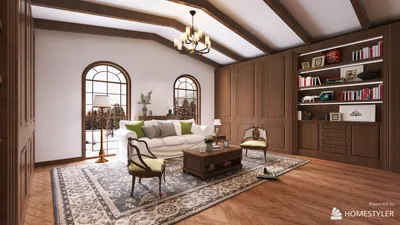


Small tables benefit from intentional floral designs that evoke a sense of lightness, rather than feeling overstuffed or chaotic. I concentrate on using low-profile arrangements with balanced proportions and detailed textures, ensuring the setup fosters conversation instead of obstructing it. On work surfaces, minimizing visual clutter is crucial since it can affect focus; research from Steelcase indicates that orderly work environments enhance perceived productivity and well-being, offering a valuable perspective when curating flowers in a compact form. The selection of colors also plays a significant role—insights from Verywell Mind’s exploration of color psychology reveal that soft greens and balanced blues can create a calming atmosphere, while warm tones infuse energy, a principle I follow when selecting blossoms appropriate for a table’s context. By utilizing tools like Homestyler, visualizing this arrangement can be made easier and more efficient.
Proper scale is essential. The NKBA advises that maintaining clear pathways and work zones is crucial in residential spaces; while this guideline is not floral-specific, it implies that any arrangement should occupy no more than one-third of a small tabletop, leaving a 12–16 cm clearance for essential items like glasses and plates. The quality of light impacts both the appearance of colors and the longevity of blooms; IES standards stress the importance of glare reduction and adequate task lighting. Near bright windows, I prefer to tone down saturated hues that may overpower other elements; at the warm glow of evening, I opt for creamy whites, soft apricots, and blush to create a serene table ambiance.
Fundamental Design Principles for Compact Floral Arrangements
I prioritize proportion: a ratio of 1:1.5 for height versus width offers stability and subtlety on café and side tables. For round surfaces, a compact dome or free-flowing posy that can be appreciated from all angles maintains an inviting feel; whereas for square or rectangular tables, a linear arrangement of mini-bud vases ensures the space remains open for dining and discussion. Human-centered design is impactful—WELL certification highlights biophilic aspects that enhance mood and alleviate stress. A singular, thoughtfully composed arrangement often serves as a more effective visual anchor than multiple small items, providing a clear focal point devoid of distractions.
Vase Selection: Low, Narrow, and Well-Balanced
It is advisable to avoid tall, cumbersome vessels when decorating small tables. I typically use low bowls (10–14 cm in diameter), slim cylinders (5–7 cm), or clusters of bud vases. Matte ceramics reduce glare, ribbed glass introduces texture without bulk, and patinaed metals add a touch of warm reflection. Maintaining a discreet waterline enhances aesthetics; clear vessels look cleaner accented with leaf wraps or a minimal number of stems. In heavily used areas, arranging a narrow cluster of bud vases along one edge allows for ample usable surface space.
Color Selection and Atmosphere on Compact Surfaces
When designing for reading spaces, I favor a cool and soothing palate like white ranunculus, pale blue tweedia, and dusty miller. In social settings, I shift towards coral spray roses, peach hypericum, and light greenery to facilitate warm conversations. This adaptability aligns with color psychology, which suggests that cool colors have a calming effect, while warm ones invigorate. On dark surfaces, mid-toned flowers help avoid harsh contrasts; conversely, on lighter tables, a tone-on-tone scheme (such as ivory blooms in an ecru vase) creates a polished and coherent look, reducing visual chaos.
Composition Techniques: Light Clusters and Embracing Negative Space
Compact surfaces thrive on minimalism. I like to establish a main bloom (for instance, 3–5 dahlias) surrounded by airy fillers like waxflower, limonium, or asymmetrical eucalyptus sprigs. It’s critical to incorporate negative space, allowing stems to breathe. For round tables, I gently spiral the stems to introduce fluidity; for rectangular surfaces, I position the arrangement off-center to keep one side accessible. If you’re considering how various room layouts can affect small table placements, using a tool like Homestyler can help visualize circulation and sightlines for optimal arrangement.
Room Design Visualization Tool
Materials and Durability
Small tables are well-suited for resilient blooms: varieties such as spray roses, chrysanthemums, alstroemeria, carnations, and hypericum outlast delicate garden roses. Properly conditioning stems—by cutting them fresh at a 45° angle, using clean water, and removing submerged leaves—helps combat bacteria. In warm environments, keep arrangements away from direct sunlight and heat sources; rotating the vase daily ensures even light exposure. For flowers near task lighting, consider warm 2700–3000K lamps to enhance the appearance of skin tones and floral colors without causing glare.
Scent and Acoustic Comfort
A subtle fragrance can be enjoyable at close range; however, potent scents on small tables may overwhelm. I prefer gentle aromas—like freesias, sweet peas, or a single gardenia in well-ventilated spaces. In active social areas, employing soft materials (like woven runners and felt coasters) around the table can mitigate noise, thereby enhancing acoustic comfort. Such a calming auditory environment allows a small floral arrangement to represent a serene moment rather than a disruptive centerpiece.
Seasonal Guide for Small Arrangements
Spring: ranunculus, anemones, hellebores, and trimmed blossoming branches. Summer: zinnias, scabiosas, cosmos paired with light greens. Autumn: dahlias, chrysanthemums, amaranth with copper foliage. Winter: paperwhites, cymbidium orchids, pine boughs, and berries—keeping arrangements low-profile for gatherings. I frequently rotate a standout bloom each week to refresh the color palette without needing to completely redo the arrangement.
Table Settings for Dining and Coffee Areas
For dining setups, keeping arrangements below 15 cm in height and narrow enough to avoid obstruction of plate reach is key. A trio of bud vases, each containing one or two stems, can look elegant and functional. In living rooms, I favor a shallow bowl filled with a loose, meadow-style mix—keeping height to a minimum to maintain sightlines when seated, ensuring visibility to the TV or fireplace. On bedside tables, opting for non-fragrant stems with minimal foliage helps to avoid discomfort.
Care Practices for Small Spaces
Daily water refreshing, trimming stems every 48 hours, and promptly removing wilted blooms maintains a tidy and adaptive composition. I rotate mini-vases according to the changing seasons, tweaking one accent color at a time to keep integration with the room’s design consistent. A lightweight tray beneath a vase can serve as a defined area, safeguarding the surface while providing visual harmony.
Frequently Asked Questions
Aim to keep arrangements under 15 cm for dining tables and 18–22 cm for coffee or side tables to ensure sightlines remain unobstructed and conversation flows easily.
Utilize a single low vase or a collection of three mini bud vases with limited stem counts—one focus bloom per vessel plus some airy filler, allowing for negative space around the grouping.
Soft whites, greens, and muted blues create a calming ambiance; this aligns with color psychology studies indicating that cool colors lower arousal levels.
Low bowls, petite cylinders, and narrow bud vases are ideal options. Select matte or ribbed textures to minimize glare and provide tactile contrast.
Warm 2700–3000K ambient lighting accentuates skin tones and petal colors; it’s important to manage glare from reflective surfaces so they don't overshadow delicate flowers, adhering to IES glare-control guidelines.
A subtle fragrance is optimal. Use freesias or sweet peas; steer clear of strong scents in tight seating areas to maintain comfort.
Resilient flowers such as spray roses, alstroemeria, chrysanthemums, carnations, and hypericum can endure and hold their shape for several days when properly conditioned.
Position a linear trio of bud vases along one side of the table, ensuring an unobstructed space for reach and service. If you’re planning furniture layouts, using a simulation tool like Homestyler can assist in visualizing arrangement placement relative to travel paths.
Absolutely—use short-cut flowering branches in combination with smaller florals. Keep the height of branches low and arrange them asymmetrically for a feeling of lightness.
Ensure daily water changes, trimming every 48 hours, and removing wilting blooms promptly; rotation of the vessel also helps to evenly distribute light exposure.
Built on technology originally developed at Autodesk, Homestyler empowers anyone to design beautiful, realistic spaces in minutes. Join over 18 million users who have already discovered a smarter way to plan, visualize, and bring their dream homes to life — all from the comfort of a browser.

Minimalist Mint Green Metal Folding Round Side Table 3D Model

Modern Pastel Green Solid Wood Double Tier Coffee Table 3D Model

Modern Green Metal White Top Round Two Tier Side Table 3D Model
Homestyler is an exceptional online home design platform that makes creating your dream space easy and fun. With its user-friendly design tool, stunning 3D renderings, and inspiring video tutorials, you'll have everything you need to turn your ideas into reality. Perfect for any DIY enthusiast!
Projete agora para LIVRE
































